
Planting
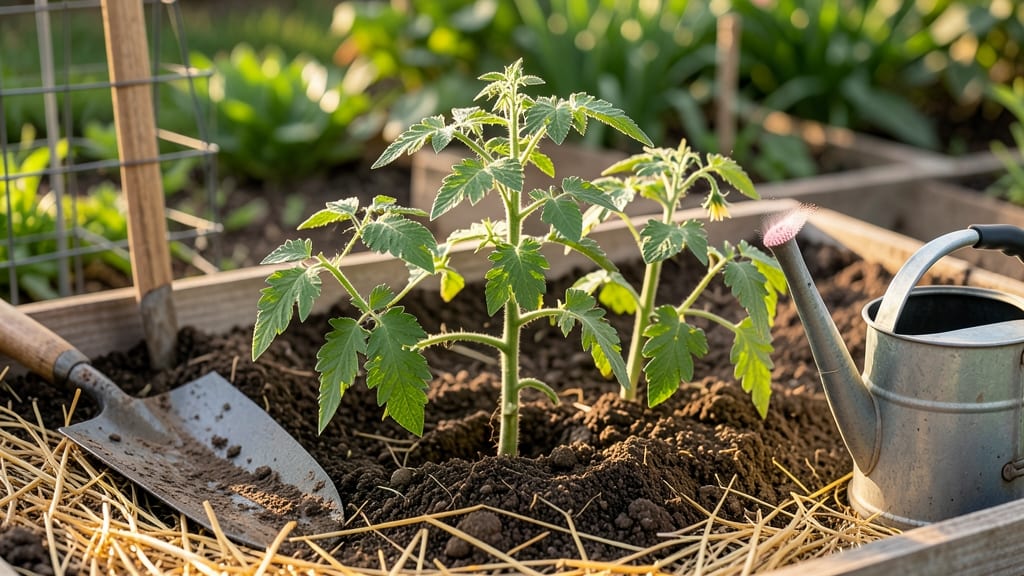
Planting tomato seedlings in the garden at the right time means the difference between a thriving harvest and wasted effort—get it wrong, and you risk stunted plants or even death.
Timing isn’t just about avoiding frost; it’s about soil warmth, nighttime temperatures, and how fast your seedlings can establish roots. In Zone 6a, waiting until after the last frost (usually mid-April) is just the start—soil needs to hit 60°F before you even think about transplanting.
Here’s what you need to know: how to read your local frost dates, the soil temperature rules that most gardeners overlook, and why planting too early can turn your seedlings into a buffet for pests and disease.
By the end, you’ll have a foolproof schedule tailored to your climate, plus 3 warning signs that your garden isn’t ready yet—so you can finally grow tomatoes that outperform your grocery store finds.
The ideal soil temperature and frost-free timeline for planting tomato seedlings
Getting your tomato seedlings into the ground at the right time is crucial for their survival and productivity. Tomatoes are warm-season crops that thrive when soil temperatures consistently stay above 50°F.
Planting too early exposes them to frost damage or stunted growth, while waiting too long can delay your harvest. Understanding your local frost dates and soil warmth is the key to timing your transplant perfectly.
Most tomato varieties need 50-60°F soil temperatures to establish strong roots and begin growing vigorously. Nighttime temperatures should also stay above 50°F to prevent shock.
If you're in a cooler climate, you might need to use season extenders like row covers or cold frames to protect young plants until the soil warms up naturally. Always check your USDA hardiness zone for the most accurate frost date estimates.
| USDA Zone | Last Frost Date | Ideal Planting Window | Soil Temp Requirement |
|---|---|---|---|
| Zones 3-5 | Mid-May to Early June | After May 15 (use row covers) | 60°F+ (wait for warmth) |
| Zones 6-7 | Mid-April to Early May | After April 15 (soil at 55°F+) | 55-60°F (minimum 50°F) |
| Zones 8-10 | Late February to March | March-April (soil 60°F+) | 60°F+ (plant early) |
To determine your exact planting window, start by finding your last frost date for your region. The National Weather Service or local agricultural extension office can provide this data. Then, add 2-4 weeks to that date to account for soil warming.
For example, if your last frost is May 10, aim to plant by May 20-25 to ensure the soil has warmed sufficiently. Use a soil thermometer to verify—tomatoes need at least 50°F, but 60°F+ is ideal for faster growth.
If you're starting seedlings indoors, begin them 6-8 weeks before your last frost date. This ensures they'll be ready to transplant when the soil is warm enough. For example, in Zone 6 (like much of the Midwest), start seeds indoors around March 15 for a late-April transplant.
In Zone 9 (Southern California), you can plant directly in the ground as early as February if the soil stays warm.
One common mistake is planting too early, hoping for warmer weather. Frost-sensitive tomato seedlings can die if exposed to temperatures below 32°F, even if the soil is warm.
Always monitor nighttime temperatures and have a backup plan, like a cloche or row cover, to protect young plants from unexpected cold snaps. If a late frost is forecasted, delay planting until the threat has passed.
Another tip: Hardening off your seedlings before transplanting helps them adjust to outdoor conditions. Gradually expose them to sun and wind over 5-7 days before planting. This reduces transplant shock and gives them a head start.
For extra protection, consider using black plastic mulch to warm the soil faster and suppress weeds. This can raise soil temperatures by 5-10°F, making it safer to plant earlier in cooler climates.
For gardeners in warmer climates (Zones 8-10), you can plant tomatoes in early spring or even fall for a second harvest. However, avoid planting during peak summer heat, as temperatures above 90°F can stress plants and reduce fruit set.
Instead, opt for shade cloth or plant in partial shade during the hottest months. In these regions, aim for spring planting in February-March and fall planting in August-September for a late-season harvest.
Ultimately, the best time to plant tomato seedlings is when your soil is warm, frost-free, and the plants are robust enough to handle outdoor conditions. Pay attention to weather forecasts, use a soil thermometer, and don’t rush—patience ensures your tomatoes grow strong and produce a bountiful harvest.
With the right timing, you’ll be enjoying homegrown tomatoes in no time!
How to adjust your planting schedule for early or late seasons
When unpredictable weather throws off your planting timeline, don’t panic. I’ve learned that tomato seedlings can adapt with the right adjustments—whether you’re dealing with late spring frosts or an extended summer heatwave.
The key is flexibility, and I’ll share my proven strategies to protect your plants while maximizing your harvest.
First, row covers and cold frames are my go-to tools for early-season planting. These create a microclimate that shields seedlings from light frosts (down to 28°F) while still allowing sunlight to penetrate.
I’ve successfully planted tomato seedlings 2-3 weeks before the official last frost date using these methods, giving my plants a head start.
- Use row covers to plant 2-3 weeks early—they protect against light frosts while allowing sunlight.
- Install cold frames for hardier varieties like 'Cherokee Purple' to extend the season by 4-6 weeks.
- Try staggered planting: Sow half your seedlings at the usual time and the other half 2 weeks later for a prolonged harvest.
- For late frosts, use cloche covers or plant in containers that can be moved indoors temporarily.
- Choose early-maturing varieties like 'Early Girl' (50-60 days to harvest) for shortened seasons.
If you’re facing a late frost after planting, don’t despair. I’ve saved seedlings by covering them with blankets or burlap during the night and removing them the next morning. For extreme cold snaps, I even move potted seedlings under a porch light or grow light until temperatures rise.
This temporary protection buys you time to harden off your plants for outdoor survival.
Another trick I swear by is staggered planting. Instead of planting all your tomato seedlings at once, space them out over 2-3 weeks. This ensures a continuous harvest because while some plants mature, others are still growing.
For example, I plant half my seedlings at the ideal time and the rest 10-14 days later. This way, I get tomatoes from July through September instead of just a 2-week peak.
For late-season adjustments, focus on heat-tolerant varieties like 'Heatmaster' or 'Solar Fire', which thrive in 90°F+ temperatures. Pair these with drip irrigation and shade cloth to prevent blossom drop and sunscald.
I also avoid fertilizing heavily in late summer, as this can stress plants in high heat.
Remember, tomato seedlings are resilient if you give them the right support. Whether you’re pushing the season early or extending it late, these strategies have saved my harvests time and time again. The key is observation and adaptability—watch your plants, monitor the weather, and adjust as needed.
With a little creativity, you can turn challenging conditions into a longer, more productive growing season. 🌱