
Planting
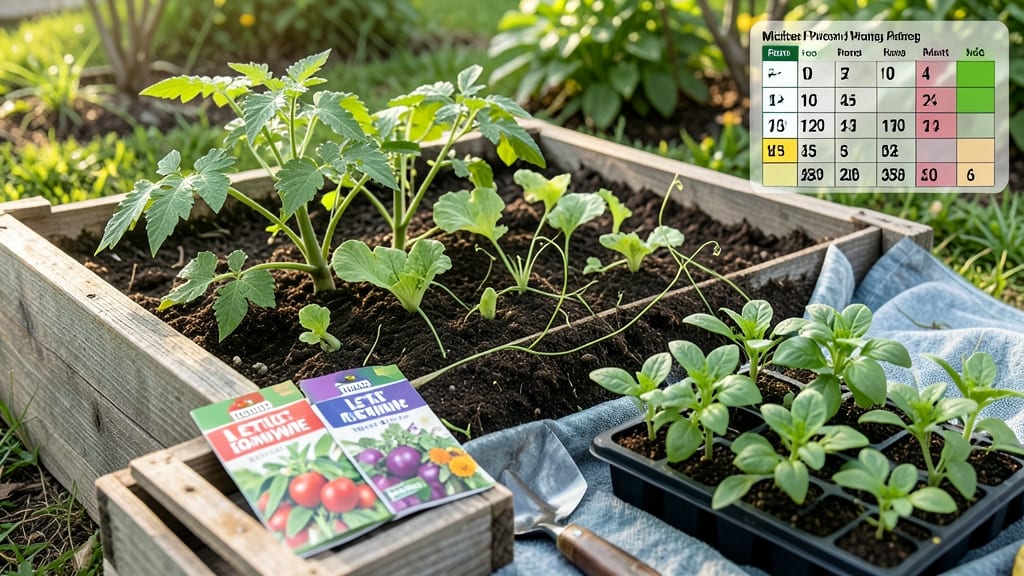
Planting your garden in Michigan at the right time means the difference between a bountiful harvest and a frost-killed disappointment.
Michigan gardeners know timing is everything—plant too early and frost will wipe out your hard work, but delay too long and summer harvests slip away.
With USDA Zones 5-6, knowing the exact frost-free windows for your crops can mean the difference between a thriving 🌱 General Michigan Garden and a disappointing one.
Cool-season crops like peas and lettuce can handle early spring soil, but tomatoes and peppers need to wait until after the last frost—usually mid-May in most of the state. Meanwhile, fall planting for greens and radishes starts as early as September to beat the first frost.
In this guide, I’ll break down the best planting windows for Michigan’s most popular crops, regional frost-date variations, and pro tips to stretch your growing season without risking frost damage.
Michigan’s last frost dates by region: USDA Zone 5 vs. 6 planting timelines
Michigan’s last frost dates vary dramatically between its USDA Zone 5 (northern) and Zone 6 (southern) regions, creating a 3-4 week difference in planting windows. In northern Michigan, gardeners often wait until May 10-20 to plant frost-sensitive crops, while southern Michigan gardeners can start as early as April 20-30.
These differences mean the choice between early tomatoes and late-season kale depends entirely on where you live.
For example, Detroit (Zone 6) typically sees its last frost around April 25, while Traverse City (Zone 5) might not be frost-free until May 15. Even within the same city, microclimates—like urban heat islands or sheltered valleys—can shift planting dates by 1-2 weeks.
Understanding these variations helps you avoid frost damage while maximizing your garden’s potential.
To simplify planning, I’ve broken down last frost dates for Michigan’s most common gardening regions, including Detroit, Grand Rapids, Traverse City, and Marquette.
These averages are based on 30-year historical data from the National Oceanic and Atmospheric Administration (NOAA), but I’ll also share how to adjust for early/late years and microclimate exceptions.
Pro Tip: Use frost-free date calculators like the Michigan State University Extension’s Frost Calculator to input your exact ZIP code. Even a 5-mile difference can mean a week’s difference in your planting schedule!
Here’s how Zone 5 vs. Zone 6 last frost dates compare across Michigan’s key regions, along with planting adjustments for cool-season and warm-season crops:
Notice how Zone 6 regions like Detroit and Grand Rapids can start warm-season crops like tomatoes and peppers by mid-May, while Zone 5 areas like Marquette often wait until early June.
This delay is critical for heat-loving plants that won’t tolerate chilly soil. For example, peppers planted too early in Marquette may stunt or fail entirely.
Microclimates add another layer of complexity. For instance, southern-facing slopes in Zone 5 might warm up 1-2 weeks earlier than flat areas, allowing for earlier planting of lettuce or spinach.
Conversely, low-lying areas near lakes or rivers can hold frost longer, delaying planting by up to 10 days. Always scout your garden in late April to spot these microclimate hotspots.
To hedge your bets, I recommend succession planting for cool-season crops like lettuce and radishes. Start seeds indoors 4-6 weeks before your region’s last frost date, then transplant outdoors as soon as the soil is workable. For
Zero-frost risk planting calendar: when to sow cool-season vs. warm-season crops
Michigan’s 140-180 frost-free days demand precision when planting. Cool-season crops like lettuce and peas thrive in early spring, while warm-season tomatoes and peppers need the soil to warm before planting.
To avoid frost damage, I’ve mapped out the safest windows for Michigan’s USDA Zones 5-6, including heat-tolerant swaps for late starts.
Start with cool-season crops 4-6 weeks before your area’s last frost date. For Zone 5 (northern Michigan), this means late April to early May, while Zone 6 (southern Michigan) can begin as early as mid-April.
Warm-season crops like beans and cucumbers should wait until 2-3 weeks after the last frost, typically late May to early June.
Use this zero-frost risk calendar to align your planting with Michigan’s climate. For example, spinach and kale can handle light frosts, while eggplants and okra need consistent warmth—ideal for late starts in July.
For late starts, opt for heat-tolerant varieties like ‘Heatmaster’ tomatoes or ‘Malabar’ spinach, which thrive in Michigan’s short summers. If frost threatens early crops, use row covers or cold frames to extend the season by 2-3 weeks.
Plan for succession planting to maximize yields. For example, sow bush beans every 2 weeks from June to August, ensuring a continuous harvest. Similarly, lettuce can be planted in late summer for fall harvests, avoiding the heat of July.
Remember: Michigan’s first frost typically arrives in mid-October, so prioritize fast-maturing varieties (e.g., ‘Early Girl’ tomatoes or ‘Cherry Belle’ radishes) to avoid losing crops to cold. With this calendar, you’ll align your planting with Michigan’s climate—no more wasted seeds or frost-burned dreams! 🌱