
Planting
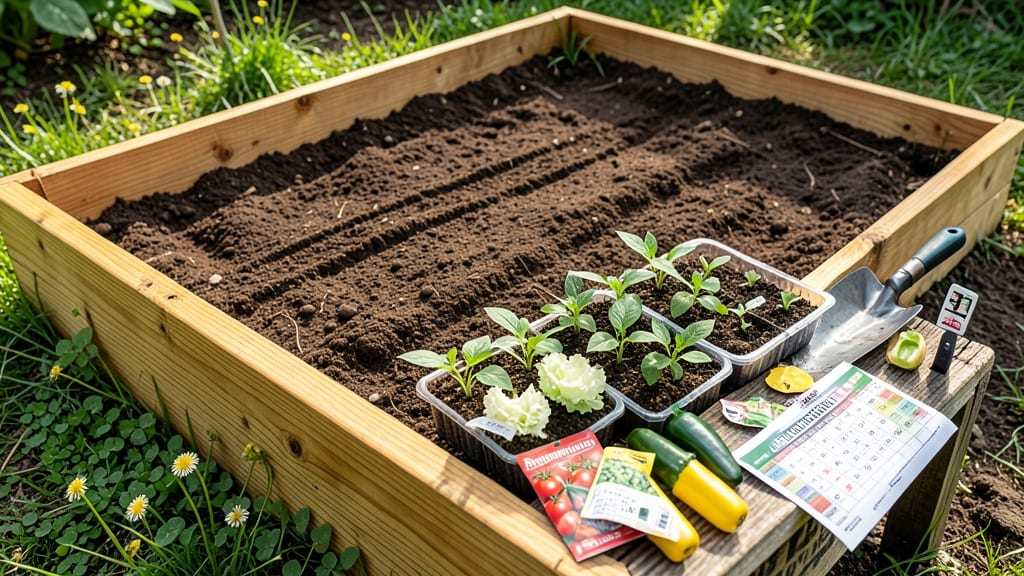
Planting your garden in Ohio at the right time means the difference between a bountiful harvest and a wasted season—and the key is knowing when to start seeds indoors, when to set out transplants, and how to adjust for those infamous late frosts.
Ohio’s Zone 6a-6b climate throws curveballs: one year, you’re celebrating peas by May 1st, and the next, a surprise frost hits April 25th—just when your tomatoes are breaking ground.
The solution? A planting timeline tied to your last frost date (April 15 on average) and a backup plan for heat-loving crops.
This guide breaks down exactly what to plant when—from cool-season greens in early spring to tomatoes and peppers after Memorial Day—plus how to use row covers, microclimates, and succession planting to stretch your growing season. No more guessing, just science-backed deadlines for Ohio’s most-loved General Garden Plants 🌱.
You’ll learn the 10-day rule for safe outdoor planting, how to harden off seedlings, and which crops can handle a late frost (hint: it’s not tomatoes).
By the end, you’ll have a calendar tailored to your zone, soil prep tips, and even a “last-minute” checklist for when spring throws you a curveball.
Ohio’s frost dates by Zone 6a vs 6b: when to start planting indoors vs outdoors
Ohio’s Zone 6a and Zone 6b regions have distinct frost patterns that dictate your planting timeline. In Zone 6a, the average last frost date falls between April 15 and May 10, while Zone 6b typically sees its final frost between May 1 and May 15.
These dates are your starting point, but local microclimates—like urban heat islands or sheltered valleys—can shift them by 1-2 weeks. Always verify with your local Cooperative Extension office for precision.
For indoor planting, start warm-season crops like tomatoes and peppers 6-8 weeks before your last frost date.
In Zone 6a, that means mid-February to early March, while Zone 6b gardeners can wait until late February to early April. Cool-season crops like lettuce and spinach can go straight into the ground 4-6 weeks before your last frost, so late March for Zone 6a and early April for Zone 6b.
Use the 10-day rule for outdoor planting: Wait 10 days after your average last frost date to transplant seedlings. This buffer accounts for late frosts and gives tender plants time to establish roots.
For example, if your last frost is May 1, hold off until May 11 to plant tomatoes or peppers.
| Zone | Last Frost Date | First Frost Date | Indoor Start (Warm Crops) | Outdoor Planting Window |
|---|---|---|---|---|
| 6a | April 15–May 10 | October 15–20 | Mid-February–Early March | May 11–June 1 (after 10-day rule) |
| 6b | May 1–May 15 | October 20–25 | Late February–Early April | May 16–June 1 (after 10-day rule) |
🌱 Adjust for microclimates: Urban areas may warm up 1-2 weeks earlier than rural zones.
Urban gardeners often enjoy earlier planting due to the urban heat island effect, where pavement and buildings trap warmth. Test your microclimate by placing a frost-sensitive plant like basil outdoors for a week in early spring.
If it survives, you can safely plant 2 weeks earlier. Conversely, low-lying areas or northern exposures may experience frost 1-2 weeks later, so err on the side of caution.
Soil temperature is just as critical as air temperature. Use a soil thermometer to confirm warm-season crops like peppers and cucumbers need soil temps of 60°F or higher. If your soil is still cold, wait or use black plastic mulch to warm it faster.
For cool-season crops, soil temps between 45°F and 65°F are ideal—plant as soon as the ground is workable, even if air temps fluctuate.
Extend your growing season with row covers or cold frames to protect early plantings. These tools can push your last frost date back by 2-4 weeks, allowing you to plant spinach or kale as early as late February in Zone 6a.
Just remove covers once plants are established to avoid overheating. For Zone 6b, you might even squeeze in a second planting of lettuce in early September for a fall harvest.
Keep a frost calendar by tracking local weather patterns for 3-5 years. Note when frosts occur outside the average dates—this data will help you fine-tune your planting schedule.
For instance, if your area experiences a late frost in early May every few years, delay planting tomatoes until May 20 instead of relying on the 10-day rule alone.
If you miss the outdoor planting window, don’t panic! Succession planting lets you stagger plantings every 2-3 weeks for continuous harvests. For example, sow bush beans every 10 days from May to July to enjoy fresh pods all summer.
You can also opt for fast-maturing varieties like ‘Early Girl’ tomatoes, which ripen in 55-60 days instead of the usual 70-80 days.
For perennial plants like asparagus or rhubarb, plant in early spring (March–April) to give roots time to establish before summer heat. These hardy crops can tolerate light frosts and often produce for decades with proper care.
Mulch heavily in late fall to protect roots from winter temperature swings, which can stress plants in Zone 6a more than Zone 6b.
Best planting calendar for Ohio: what to sow when by crop type
Ohio’s gardening season hinges on timing—especially with cool-season crops like spinach and warm-season favorites like peppers. The key is aligning your planting with soil temperatures and frost-free dates.
For Ohio’s Zone 6a-6b, most areas see their last frost around April 15–May 10, but microclimates (like urban heat islands) can shift this by weeks. Start by grouping crops into three planting windows: early spring, late spring, and fall.
Cool-season crops thrive when soil temps hit 40–50°F, while warm-season plants need 60°F+. Ohio-specific varieties like ‘Ohio State’ tomatoes or ‘Sugar Sprint’ peas are bred to handle our climate swings. Use row covers to extend seasons—adding 2–4 weeks of protection for early starts or late finishes.
Below, I’ve broken down the month-by-month schedule for 20+ crops, plus succession planting tips to keep your harvests rolling.
- March–Early April: Cool-season crops like spinach, peas, and lettuce (direct sow). Start onion and broccoli indoors for transplanting after frost.
- Mid-April–May 1: Hardy greens (kale, Swiss chard) and radishes. Begin cold frames for early tomato and pepper seedlings (60°F+ soil).
- May 10–June 1: Warm-season stars: tomatoes, peppers, beans, and squash. Wait until soil is 60°F+ to avoid stunted growth.
- June–July: Succession plant bush beans, carrots, and cucumbers every 2 weeks. Add basil and dill near tomatoes for pest control.
- August–Early Sept: Fall crops: kale, spinach, and garlic (plant cloves by Sept 15). Use row covers to protect from light frosts.
- September–October: Cold-hardy greens (mustard greens, arugula) and overwintering onions. Harvest late tomatoes before first frost (Oct 15).
For succession planting, focus on crops with short harvest windows like radishes (30 days) or bush beans (50 days). Sow new seeds every 2 weeks to avoid gluts.
For example, plant lettuce in March, again in late July, and once more in September for a year-round harvest. Row covers (lightweight fabric) can push your planting window 2–4 weeks earlier or extend fall harvests by trapping heat.
Ohio’s Zone 6a-6b also allows for overwintering crops like garlic and hardy greens. Plant garlic cloves in October for a July harvest, or direct-sow spinach in early September to harvest before winter. Cold frames or low tunnels let you grow peppers and tomatoes until November in mild years.
Don’t forget herbs! Cilantro bolts in heat—plant it in early spring and fall only. Basil, however, thrives in summer’s heat and pairs perfectly with tomatoes.
Interplant marigolds between rows to deter pests like tomato hornworms. With this schedule, you’ll maximize your Ohio garden’s potential—no more wasted space or missed harvests!