
Tools
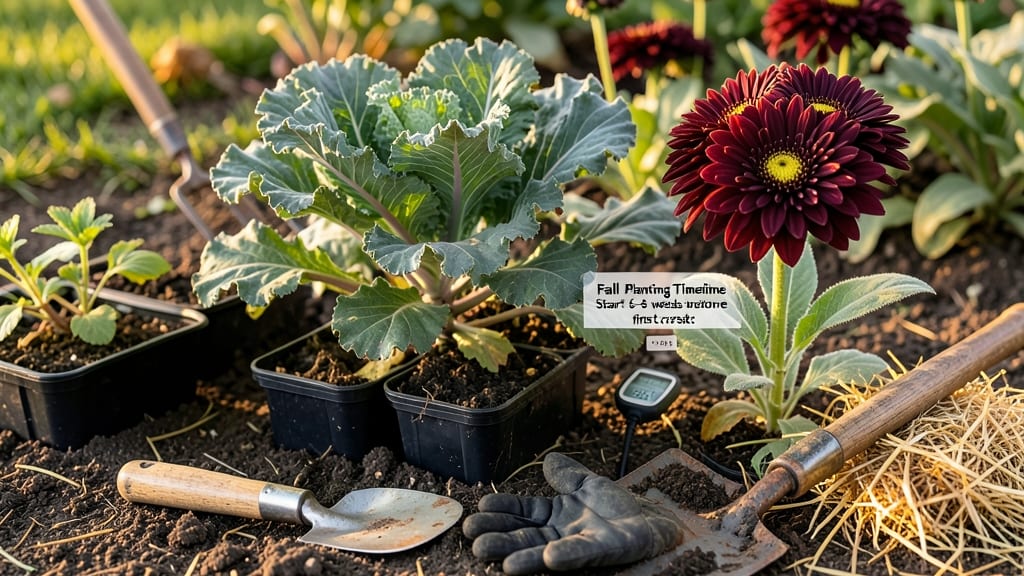
Starting a fall garden 4-6 weeks before your first frost is the key to a harvest that lasts well into October — and missing that window means watching your seedlings bolt or rot before they mature.
You might still be sweating through summer, but the secret to cool-season crops like kale, spinach, and carrots lies in timing. Plant too early, and the heat will fry your seedlings before they get established. Too late, and you’ll be racing against frost before the roots take hold.
This guide breaks down the exact planting schedule for your USDA Zone, which crops to prioritize, and how to prep your soil for a fall harvest that outshines your summer garden.
From soil temperature checks to choosing fast-maturing varieties, you’ll discover the three critical steps that separate a thriving fall garden from a disappointing one.
Best planting timeline for fall crops by region and last frost date
Timing is everything when it comes to a successful fall garden. Cool-season vegetables like kale, broccoli, and spinach thrive in the crisp air, but planting them too early exposes them to summer heat stress, while waiting too long risks frost damage.
Your USDA hardiness zone and average last frost date are your best guides to pinpointing the perfect window.
Most gardeners aim to plant cool-season crops 4-6 weeks before the first frost. This ensures plants mature before winter sets in. For example, in Zone 5, where the first frost typically arrives in mid-October, you’d start planting in early September.
Meanwhile, in Zone 8, with a later frost (late November), you can extend your planting window until October.
Regional climate variations also play a role. Coastal areas with milder winters may have a longer growing season, while inland regions with sharper temperature drops require earlier planting. Always check your local extended weather forecasts to adjust your timeline accordingly.
| USDA Zone | Avg. First Frost | Planting Window | Best Crops | Notes |
|---|---|---|---|---|
| Zones 3-4 | Mid-September | Late July to early August | Kale, Spinach, Radishes, Lettuce | Short season—prioritize fast growers. |
| Zones 5-6 | Mid-October | Early to mid-September | Broccoli, Carrots, Swiss Chard, Peas | Ideal for medium-sized gardens. |
| Zones 7-8 | Late November | Late August to October | Cabbage, Brussels Sprouts, Cauliflower, Beets | Longer season—experiment with succession planting. |
| Zones 9-10 | December-January | September to November | Collards, Mustard Greens, Turnips, Arugula | Mild winters allow year-round planting. |
If you’re unsure about your last frost date, consult your local cooperative extension service or use online tools like the National Oceanic and Atmospheric Administration (NOAA) frost maps. These resources provide data tailored to your specific location, helping you avoid guesswork.
For slow-growing crops like broccoli or cabbage, start seeds indoors 6-8 weeks before your target planting date. This head start gives them a competitive edge in the garden.
Meanwhile, fast growers like radishes or lettuce can be sown directly into the soil as late as 3-4 weeks before the first frost.
Don’t forget to prepare your soil before planting. Cool-season crops prefer well-draining, fertile soil with a pH between 6.0 and 7.0. Amend your beds with compost or aged manure in early summer to give nutrients time to break down before planting.
Extend your fall harvest by using row covers or cold frames to protect tender plants from early frosts. These tools can push your growing season by 2-4 weeks, allowing you to enjoy fresh produce even in chilly weather.
Keep an eye on your plants as temperatures drop. Frost-sensitive crops like basil or tomatoes should be harvested before the first frost, while hardier varieties like kale or Brussels sprouts can often withstand light frosts, which may even improve their flavor.
By aligning your planting schedule with your local climate and crop maturity times, you’ll maximize your fall garden’s potential. Start early, stay consistent, and enjoy the rewards of a thriving autumn harvest! 🌱
Top 5 cool-season vegetables that grow best in fall (and how to time them)
Fall gardens offer some of the most rewarding harvests, but timing is everything. The key to success lies in planting cool-season vegetables at just the right moment—neither too early (when summer heat still lingers) nor too late (when frost threatens).
These five fast-growing crops deliver quick results and thrive in autumn’s milder temperatures.
My top picks for fall planting are radishes, carrots, lettuce, kale, and spinach. Each has unique timing needs, but all share one common rule: sow them 4-6 weeks before your first frost date for a harvest before winter sets in.
Let’s break down the best timing for each to maximize your fall bounty.
Pro tip: Use row covers or cold frames to extend harvests by 2-3 weeks in colder regions. For example, in Zone 5, I’ve successfully grown spinach until late November with lightweight frost blankets. Just be sure to remove covers during the day to prevent overheating.
Timing isn’t just about the calendar—it’s also about soil temperature. Aim for 50-60°F soil for most cool-season crops. Test your soil with a thermometer before planting; if it’s still warm, wait a week or two. Patience here prevents slow germination or leggy seedlings.
Don’t forget to succession plant fast growers like radishes and lettuce every 2 weeks for a steady harvest. I’ve found that staggering plantings ensures a continuous supply of fresh greens well into October—even in my Zone 6 garden.
Start with small batches to test what works best for your microclimate.
With these five crops and precise timing, your fall garden will be a harvest goldmine before winter arrives. The secret? Plan backward from your first frost date and let the cool weather do the rest of the work. Happy planting! 🌱