
How To
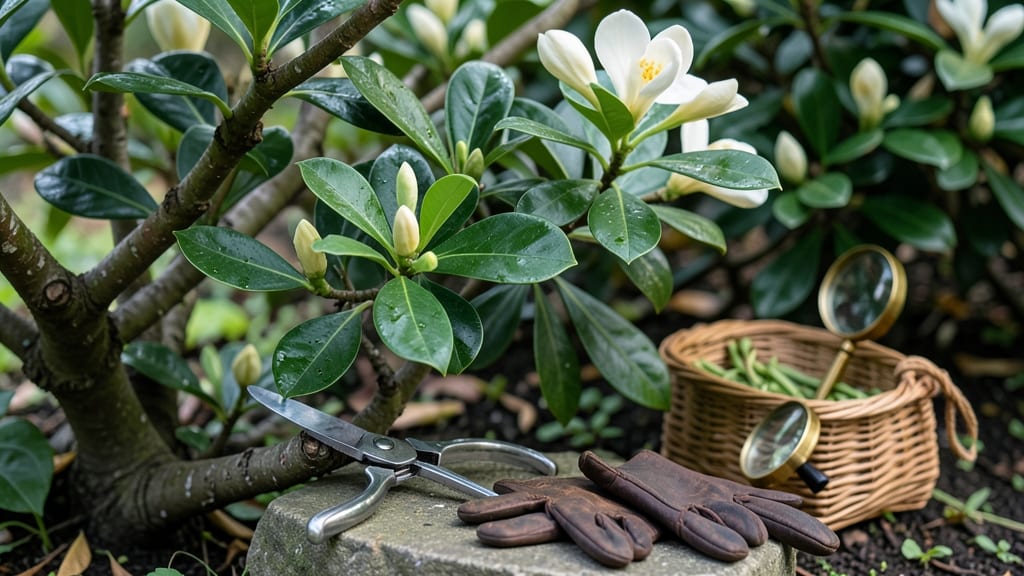
To trim gardenia bushes 🌸 after they bloom is the key to next year’s lush, fragrant display — and timing it wrong can leave you with sparse flowers or leggy growth.
Picture this: You’ve waited all spring for those creamy white blooms, and now they’re fading. That’s your cue—but rushing in too soon can shock the plant. The secret isn’t just when you prune; it’s understanding how your gardenia’s growth cycle works and how your local climate plays a role.
In Zone 6, where many gardeners live, late spring or early summer is the sweet spot. But if you’re in a warmer region, you might need to adjust.
I’ll walk you through the exact steps, from recognizing the right moment to using the right tools, so you avoid common mistakes that leave your gardenia looking tired instead of thriving.
By the end, you’ll know not just when to trim, but how—and why it makes all the difference for blooms that’ll wow your neighbors.
Best time to prune gardenia bushes for optimal flowering
Gardenia bushes reward patience with their glossy, fragrant blooms, but getting the pruning timing right is key to keeping them thriving. Unlike many shrubs, gardenias bloom on old wood, meaning last year’s growth produces this year’s flowers.
Pruning at the wrong time can reduce next year’s blooms or even stress the plant. The golden rule? Always prune after flowering, but there’s more nuance to ensure you don’t accidentally cut off next season’s buds.
Most gardenia varieties bloom between late spring and early summer, making June or early July the ideal window for pruning. This timing allows the plant to recover before winter while giving new growth time to harden off.
However, if your gardenia blooms early (like in April or May), adjust your pruning schedule to avoid cutting back too soon. Watch for faded blooms and fresh green leaves—these are your cues that it’s time to pick up those pruners.
Pruning too early, like in late winter or early spring, risks removing flower buds that haven’t yet opened. On the flip side, waiting until fall or winter can leave the plant vulnerable to cold stress and reduced flowering energy for the next season.
The post-bloom window is your sweet spot for balancing aesthetic shaping and future bloom production.
| Pruning Stage | Best Time | What to Look For | Avoid |
|---|---|---|---|
| Post-Bloom Pruning | Late spring to early summer (June-July) | Faded blooms, new green leaves, no buds forming | Cutting back flower buds |
| Light Maintenance | Fall (October) | Dead or diseased branches only | Heavy pruning before winter |
| Avoid Pruning | Winter (December-February) | Dormant period; no growth | Removing healthy branches |
| Early Bloomers | May (adjust for early blooms) | Blooms faded by early May | Pruning before April blooms |
One of the biggest mistakes gardeners make is pruning too aggressively. Gardenias respond best to moderate shaping, never more than 25-30% of the plant’s foliage at once. Heavy pruning can shock the plant, leading to fewer blooms next season and even leaf drop.
Instead, focus on removing dead, diseased, or crossing branches first. Then, lightly shape the bush by trimming back overly long stems to maintain an open center—this encourages airflow and reduces pests.
Pay attention to the growth pattern of your gardenia. If you notice new growth emerging from the base after pruning, you’re on the right track. This signals the plant is preparing for next year’s blooms.
However, if you see no new growth within 4-6 weeks, you may have pruned too late or too harshly. In this case, avoid further pruning until spring and focus on watering deeply and fertilizing lightly to encourage recovery.
Regional climate plays a role too. In warmer zones (USDA 9-11), gardenias may bloom earlier, so adjust your pruning to late May or June. In cooler zones (USDA 7-8), wait until after the last frost risk, typically mid-to-late June.
Always check for frost dates in your area—pruning too early in cooler climates can expose tender new growth to late-season frosts, damaging the plant.
After pruning, give your gardenia some extra care to help it recover. Water deeply but infrequently to encourage root growth, and apply a balanced fertilizer (10-10-10) in early summer to support new foliage.
Avoid heavy fertilizing right after pruning, as this can burn the roots while the plant is still recovering. Instead, focus on mulching around the base to retain moisture and protect roots from temperature swings.
If you’re unsure whether your gardenia has finished blooming, wait an extra week. It’s better to prune slightly late than too early. Look for no new buds forming and all blooms faded—these are clear signs it’s safe to prune.
Patience here pays off with healthier growth and more blooms next season. Remember, gardenias are slow growers, so gentle, timed pruning is your best strategy for long-term success.
Finally, keep your pruning tools sharp and clean to prevent damaging the plant. Use bypass pruners for clean cuts and sterilize tools with rubbing alcohol between cuts to avoid spreading disease.
With the right timing and technique, your gardenia will thank you with lush, fragrant blooms year after year. 🌸
Step-by-step guide to pruning gardenia bushes correctly
Pruning your gardenia bushes correctly ensures they stay healthy and produce those fragrant blooms you love. The key is timing—prune at the right moment, and you’ll encourage lush growth. Start by gathering your tools: sharp pruning shears, sterilized gloves, and a clean disinfectant to prevent disease spread.
I always sterilize my tools with rubbing alcohol before starting to keep my gardenia bushes thriving.
Before you begin, identify the dead or diseased branches—these should be your first targets. Look for branches that are brown, mushy, or have black spots.
Removing these not only improves airflow but also prevents pests and diseases from spreading to the rest of the plant. Never skip this step, as it’s crucial for your gardenia’s long-term health.
When to Trim Gardenia Bushes
- Step 1: Wait until after the blooms fade in late spring or early summer (May-June in most regions). This is when your gardenia has finished flowering for the season.
- Step 2: Look for new growth—this signals it’s safe to prune. Avoid cutting back flower buds forming for next year’s blooms.
- Step 3: In USDA Zones 8-11, you can also do a light pruning in late winter (February) to shape the bush before spring growth begins.
- Step 4: Never prune in fall or winter—this can shock the plant and reduce next year’s blooms.
Now, focus on shaping your gardenia bush. Use your pruning shears to make 45-degree angles just above a leaf node or outward-facing bud. This encourages new growth in the right direction.
Avoid cutting too close to the trunk, as it can leave unsightly stubs and invite disease. I always aim for clean cuts to keep my gardenia looking its best.
One of the most common mistakes is over-pruning. Gardenias are sensitive, and cutting back too much can stress the plant. Limit yourself to removing no more than 1/3 of the bush in a single session.
If you’re unsure, it’s better to prune lightly and repeat the process next year. Patience is key—your gardenia will thank you with more blooms!
After pruning, give your gardenia a light fertilizer to support new growth. I use a balanced 10-10-10 fertilizer diluted to half strength. Water deeply to help the plant recover, but avoid soggy soil—gardenia roots hate sitting in water.
Mulch around the base to retain moisture and keep weeds at bay. With proper care, your pruned gardenia will reward you with even more stunning blooms next season.
Remember, the goal is to encourage healthy growth, not drastic changes. By following these steps, you’ll keep your gardenia bush looking lush and vibrant while ensuring it blooms beautifully year after year. Happy pruning! 🌸