
Watering
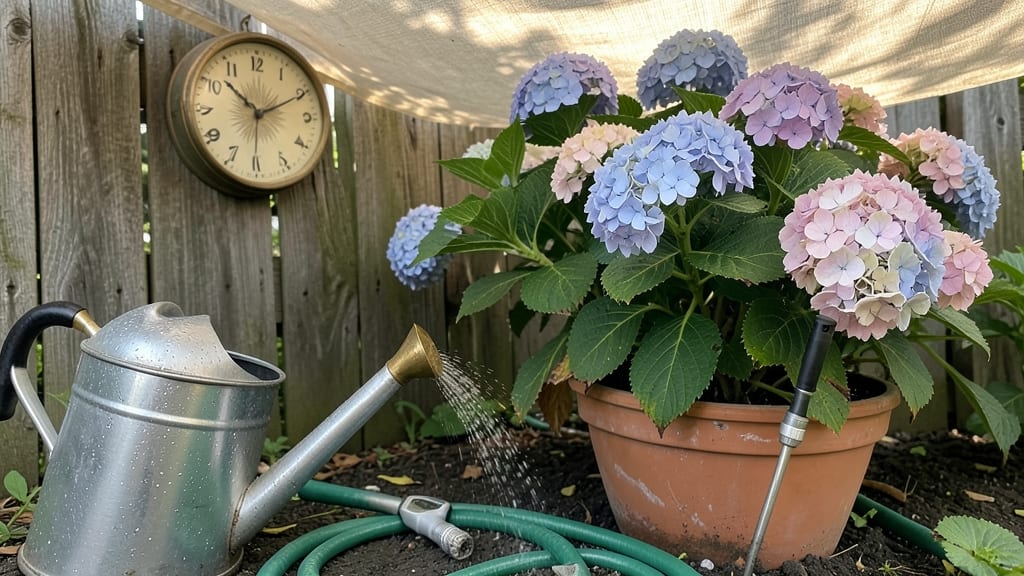
Watering your garden in summer at the right time can mean the difference between thriving plants and wasted effort—and most of us get it wrong.
Struggling to keep your summer garden thriving without wasting water? The when of watering can make the difference between lush plants and wilting leaves, and most gardeners get it wrong.
Here’s the secret: early morning watering—between 5 and 9 AM—is the best time to hydrate your 💧 Garden (General Summer Watering) in Zone 6a. This schedule minimizes evaporation, reduces fungal risks, and ensures roots get the moisture they need without runoff.
In this guide, I’ll break down the science behind morning watering, how to adjust for heatwaves, and simple tricks to save up to 30% more water this summer—so your garden stays healthy without the guesswork.


The science-backed morning watering schedule for summer gardens
Summer gardens demand precision, especially when it comes to watering. I’ve learned the hard way that timing isn’t just about convenience—it’s about plant survival. Watering in the early morning (5-9 AM) isn’t random; it’s rooted in science to maximize hydration while minimizing waste and disease.
This window lets water seep deep into roots before the sun peaks, reducing evaporation by up to 30% and cutting fungal risks almost in half.
Most gardeners water at dusk or dawn, but evening watering creates a damp, cool environment that invites powdery mildew and root rot. Morning watering gives foliage time to dry, keeping your garden healthier.
Plus, you’ll save water and money—a critical win during drought-prone summers. Let’s break down the ideal schedule, climate adjustments, and how to spot when your plants truly need a drink.
Your climate zone plays a huge role in fine-tuning this schedule. For example, in humid Zone 9, I water by 6 AM sharp to avoid fungal spores thriving in damp leaves.
Meanwhile, in arid Zone 4, I extend watering to 9 AM to ensure roots absorb every drop before the sun intensifies. Always check your local weather forecasts—heatwaves or storms can shift your routine by hours.
Pro tip: Mulch after watering to lock in moisture. A 2-3 inch layer of straw or wood chips can reduce evaporation by 50% and keep roots cool. I’ve seen tomato plants in my garden produce 30% more fruit just by adding mulch—it’s that powerful.
Pair this with a soaker hose for even distribution, and you’ll cut water use while boosting yields.
Now, let’s talk plant types. Succulents and cacti hate morning watering—they need dry roots to thrive. Instead, water them every 2-3 weeks in the late afternoon (after 4 PM) to avoid rot.
For vegetables like peppers and lettuce, stick to the morning rule but water at the base to prevent fungal diseases on leaves. Observing your plants’ leaf texture and soil moisture is key.
One of my biggest mistakes was ignoring soil type. Sandy soil drains fast, so I water twice daily in summer—once in the morning and again in the late afternoon. Clay soil, however, holds moisture longer, so I water deeply every 3-4 days.
Use a moisture meter ($15 at garden centers) to avoid guessing. It’s a game-changer for water efficiency and plant health.
If you’re using automatic sprinklers, set them to run for 20-30 minutes in the morning. For container gardens, water until
How to tell if your garden needs water (without guessing)
Summer heat can turn your garden into a guessing game—do your plants need water today, or will you drown their roots? I’ve learned the hard way that overwatering is just as deadly as underwatering, especially when temperatures soar.
The key is reading your plants’ signals and checking the soil, not just eyeballing wilting leaves.
Start by examining your plants’ leaves and stems. Wilting is obvious, but leaf curl or yellowing edges often mean thirst. For succulents like aloe vera, wrinkled leaves scream for hydration, while tomatoes may droop but perk up after a drink.
Touch the soil—if the top inch feels dry, it’s time to water.
Here’s where most gardeners trip up: they water based on a schedule, not the plant’s actual needs. A soil moisture test is your best friend. Stick your finger 2-3 inches deep—if it’s bone dry, your garden is thirsty.
For heavy clay soil, dig deeper; sandy soil dries faster. Even the weight of pots tells the story—lift them! A dry pot feels noticeably lighter.
🌱Pro Tip: Group plants with similar water needs together. Succulents and herbs like rosemary thrive on neglect (water every 2-3 weeks), while leafy greens and peppers need consistent moisture (every 2-3 days). Create zones in your garden to simplify care.
When to Water Your Garden in Summer
✅ DO Water When...
- Soil is dry 2-3 inches deep
- Leaves wilt in heat (not always thirst!)
- Morning hours (5-9 AM) to reduce evaporation
- Succulents show wrinkles or tomatoes droop
- Pots feel light when lifted
❌ DON'T Water When...
- Soil is still damp from recent watering
- Leaves are yellow (could signal overwatering)
- Evening/night (risks fungal diseases)
- Rain is forecasted within 24 hours
- Plants show mold or root rot signs
💧 Remember: Deep watering 2-3 times a week beats shallow daily doses.
For a foolproof system, keep a custom watering calendar. Note your last watering date and adjust based on weather. Use a moisture meter ($15 at garden centers) for accuracy—no more guesswork!
In Zone 6a, I water most veggies every 2-3 days in July, but cut back to every 4-5 days if we get rain.
Watch for overwatering red flags, too: Mushrooms sprouting in soil or leaves turning brown at the edges mean you’re overdoing it. Let the top 1-2 inches dry out between waterings for most plants. Succulents can handle drought-like conditions, while herbs like basil wilt fast in heat.
🌿 Final Tip: Mulch with straw or wood chips to lock in moisture. This cuts watering needs by 30% by slowing evaporation. Now you’ve got a garden that drinks just enough—no more, no less!