
Tools
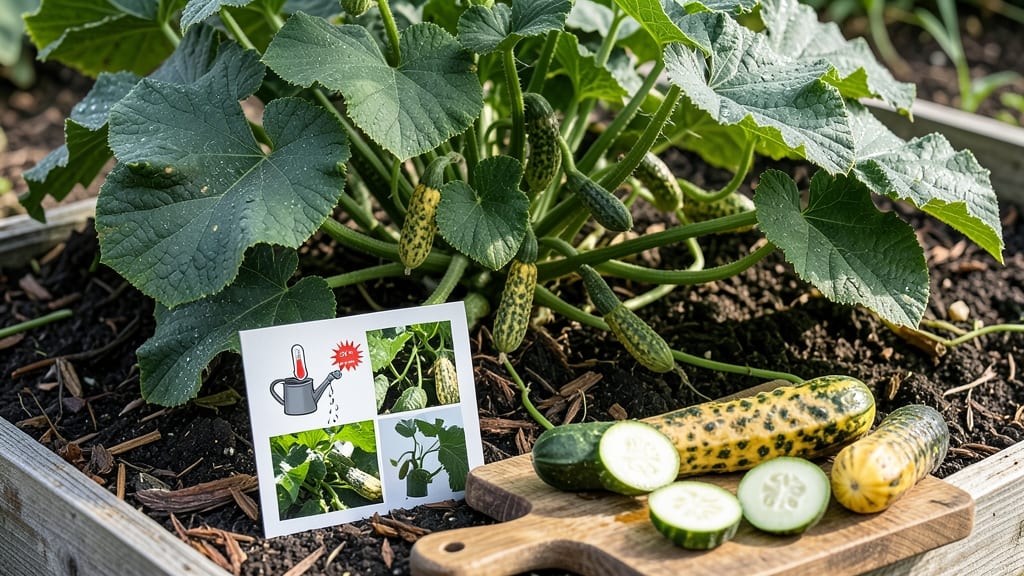
Your garden cucumbers turning bitter isn’t just bad luck—it’s usually a sign your plants are stressed by overripe fruit, uneven watering, or too much heat.
Picture this: you’ve spent weeks nurturing your 🥒 cucumbers, only to slice into one and taste that sharp, unpleasant bite. It’s enough to make even the most patient gardener want to pull them up.
But before you give up, know that bitterness is often a fixable issue, not a lost cause.
Most of the time, bitter cucumbers stem from a few common mistakes—like letting them grow too long, drowning the roots with inconsistent water, or exposing them to scorching afternoon sun.
The good news? With a few simple tweaks—like harvesting earlier, adjusting your watering schedule, or providing shade—you can bring back that sweet, crisp flavor you love.
In this guide, I’ll walk you through the fastest fixes to turn your bitter harvest into homegrown perfection, so you can enjoy cucumbers that taste as good as they look.
5 Common reasons your garden cucumbers taste bitter (and how to fix them)
There’s nothing worse than slicing into a homegrown cucumber, only to find that bitter tang ruining your fresh salad dreams. The good news? bitterness in cucumbers almost always points to fixable growing conditions—not a lost crop.
Understanding the root causes lets you adjust your garden strategy quickly. Let’s explore the top 5 reasons your cucumbers turn bitter and how to reverse it.
Cucumbers develop bitterness when they produce cucurbitacin, a natural compound triggered by stress. This happens when plants experience heat stress, water fluctuations, or nutrient imbalances. The key is identifying which stressor is at play in your garden.
Whether it’s overripe fruit, poor soil, or excessive fertilizer, each issue has a targeted solution to restore sweetness.
Cucumbers left on the vine too long accumulate cucurbitacin, making them bitter. Harvest when 6-12 inches long for slicing varieties.
Fluctuating moisture levels cause stress. Water deeply 1-2 inches weekly—never let soil dry out completely.
Temperatures above 90°F trigger bitterness. Use shade cloth (30-50%) during peak afternoon sun.
Too much nitrogen (first number in NPK) promotes leafy growth but reduces sweetness. Switch to balanced 10-10-10 fertilizer.
Compacted or waterlogged soil stresses roots. Amend with compost or perlite to improve aeration and drainage.
Let’s tackle the first issue head-on: overripe cucumbers. Many gardeners assume cucumbers taste better when larger, but the opposite is true. Cucumbers left on the vine beyond their ideal harvest window (typically 50-70 days for most varieties) develop cucurbitacin, a bitter compound.
For slicing cucumbers, aim for 6-12 inches long—harvest when the skin is firm and glossy, not wrinkled. If you’ve already missed the window, don’t despair: these cucumbers can still be used for pickling, where the acidity masks bitterness.
Next up is watering inconsistencies, which are one of the most common culprits. Cucumbers thrive on consistent moisture—they hate dry spells followed by sudden soaking. If your soil dries out completely between waterings, the plant reacts by producing bitter compounds as a stress response.
To fix this, water deeply 1-2 inches per week, focusing on the root zone. Use a soil moisture meter or the "finger test" (stick your finger 1-2 inches into the soil)—if it’s dry, it’s time to water.
Mulching with straw or shredded leaves helps retain moisture and stabilize soil temperature.
If your garden is baking under intense summer heat, that could be the villain. Cucumbers struggle when temperatures exceed 90°F, leading to bitterness as a survival mechanism. The solution? Provide afternoon shade with a lightweight shade cloth (30-50% coverage).
Alternatively, plant heat-tolerant varieties like 'Straight Eight' or 'Lemon' cucumbers, which handle warmth better. Avoid overhead watering during heatwaves—it can scorch leaves and worsen the problem. Instead, water early in the morning to give foliage time to dry.
Now, let’s talk fertilizer mistakes, which often fly under the radar. Many gardeners reach for high-nitrogen fertilizers to boost leafy growth, but this actually reduces sweetness in the fruit. Nitrogen-heavy feeds (like those with a first number like 20-0-0) prioritize foliage over flavor.
Instead, switch to a balanced fertilizer like 10-10-10 or a low-nitrogen organic option such as compost or worm castings. For an extra flavor boost, side-dress with a potassium-rich amendment like banana peel tea or wood ash during fruiting.
Lastly, poor soil conditions can silently sabotage your cucumbers’ flavor. Compacted or waterlogged soil restricts root growth, forcing plants to work harder and produce bitter compounds. To improve drainage, amend your soil with organic matter like compost, coconut coir, or perlite.
If your soil is heavy clay, consider growing cucumbers in raised beds or containers with well-draining potting mix.
A simple DIY soil test (using a home kit or sending a sample to your local extension office) can reveal pH imbalances—aim for a slightly acidic to neutral range (6.0-6.8) for optimal cucumber growth.
For immediate results, combine these fixes: harvest all overripe cucumbers, adjust your watering
How to adjust watering and sunlight for sweeter cucumbers
Bitterness in cucumbers often stems from inconsistent watering or too much direct sunlight during peak heat. Cucumbers thrive on predictable moisture and balanced sun exposure, but fluctuations trigger the production of cucurbitacin, a natural compound that makes them taste bitter.
The key is finding the right balance—watering deeply in the morning and providing partial shade during extreme heat can work wonders for flavor.
Start by checking your watering schedule. Cucumbers need 1-2 inches of water weekly, delivered consistently. Skipping watering days or overwatering both stress the plant, leading to bitterness. Use a moisture meter or stick your finger 2 inches into the soil—if it’s dry, it’s time to water.
Morning watering is ideal because it allows foliage to dry quickly, reducing fungal diseases like powdery mildew, which can also contribute to off-flavors.
Direct sunlight is essential, but intense afternoon heat can scorch leaves and concentrate bitterness. If your cucumbers are in a hot, sunny climate, consider using shade cloth (30-50%) during the hottest hours (11 AM–3 PM). This mimics natural partial shade under larger plants or trees, which often yields sweeter fruit. For container-grown cucumbers, move them to a shadier spot during peak heat if possible.
Monitor your cucumbers closely for signs of heat stress, such as yellowing leaves or drooping vines. These are red flags that your plants are struggling with too much sun or insufficient water.
Adjust your approach immediately—move containers to shade or water deeply to revive them. For in-ground plants, mulching with straw or grass clippings helps retain moisture and regulate soil temperature, further reducing bitterness.
If you’re growing cucumbers in containers or pots, they’ll dry out faster than in-ground plants. Water them every 1-2 days during hot weather and ensure pots have drainage holes to prevent root rot, which can also affect flavor.
For bush varieties, which are less prone to bitterness, focus on even watering and light afternoon shade to keep them happy.
Finally, remember that harvesting regularly is key to sweet cucumbers. Overripe fruit becomes bitter and seedy, so pick them when they’re firm and glossy. Aim to harvest every 2-3 days during peak production to encourage more flavorful growth.
With these adjustments, you’ll be enjoying crisp, sweet cucumbers in no time!