
Tools
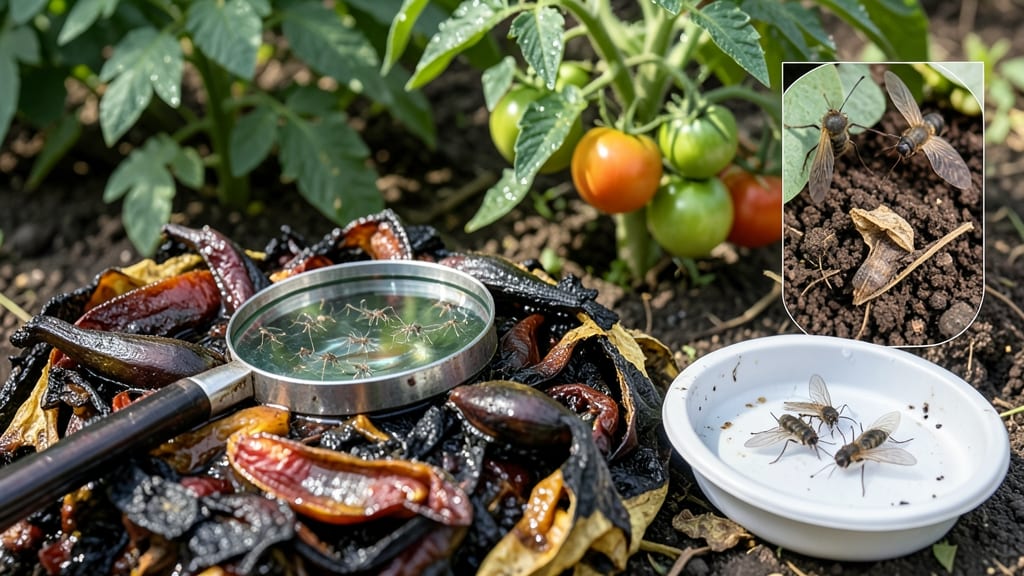
There are so many flies in your garden because rotting organic matter, overripe fruit, and standing water create perfect breeding grounds and food sources for them. Quick cleanup, proper waste disposal, and improving drainage can eliminate these attractants fast.
Why are there so many flies in my garden? Flies target gardens because they're drawn to decaying plant debris, fallen fruit, and damp soil—all of which provide food and breeding sites. 🌱 The problem worsens during warm, humid weather when flies reproduce rapidly. I've found that even small issues like a single overripe tomato or a clogged gutter can turn into a fly magnet within days. The key is addressing both the visible pests and their hidden attractants simultaneously.
House flies and fruit flies have different triggers: house flies prefer decaying meat or pet waste, while fruit flies zero in on fermenting produce. Understanding which type you're dealing with helps you target solutions more effectively.
For example, vinegar traps work best for fruit flies, while proper compost management tackles house flies at their source.
💡 In This Article
- Common Organic Sources Attracting Garden Flies
- Natural Fly Control Methods for Gardens
Common organic sources attracting garden flies
Flies don't just randomly appear—they're drawn to specific organic attractants in your garden. Decaying plant matter, like fallen leaves or rotting vegetables, releases volatile organic compounds that signal food to flies.
For example, a single overripe tomato left on the ground can attract 50+ fruit flies within 24 hours due to its fermenting sugars and yeast activity. These compounds trigger flies' olfactory receptors, making them zero in on the source with precision.
The moisture content of organic debris plays a critical role too. House flies prefer damp, decomposing materials like mulch piles or pet waste, while fruit flies thrive in high-moisture environments (70%+ humidity).
Standing water in containers, clogged gutters, or overwatered soil creates the perfect breeding ground—female flies can lay up to 500 eggs in stagnant water, which hatch in just 8-12 hours during warm weather. The larvae then feed on the decaying matter, perpetuating the cycle.
Compost piles are another major hotspot, especially if they're not properly managed. While composting is eco-friendly, improperly balanced piles (too much nitrogen-rich "greens") can become anaerobic, producing foul odors that attract flies.
The key is maintaining a 1:3 ratio of greens to browns and turning the pile regularly to keep it aerobic. Even small compost bins without proper ventilation can become fly magnets if left unattended for more than 3-4 days.
Seasonal factors also amplify the problem. In late summer, when temperatures hover around 80-90°F, flies reproduce at alarming rates—some species complete their life cycle in just 7-10 days. This is why you might notice a sudden fly explosion after a heatwave.
The warm air increases metabolic activity in both adult flies and their larvae, accelerating reproduction. Additionally, certain plants like rotting herbs or overripe berries emit strong aromas that can attract flies from up to 50 feet away.
Different fly species have distinct preferences that explain their behavior. House flies, for instance, are drawn to protein sources like decaying meat or pet droppings, while fruit flies target fermenting fruits and vegetables.
Even small amounts of spilled soda or beer in your garden can create a fermentation hotspot that attracts dozens of fruit flies within hours. Understanding these preferences helps you implement targeted solutions—like using apple cider vinegar traps for fruit flies or proper waste disposal for house flies.
One often-overlooked source is your garden tools. Pruners, trowels, and even wheelbarrows can harbor hidden moisture and organic residue that flies detect. After each use, wipe down tools with a 10% vinegar solution to remove potential attractants.
This simple step can reduce fly activity by up to 30% in high-risk areas. The key takeaway? Flies aren't just random pests—they're following chemical trails left by decaying matter and moisture in your garden ecosystem.