
Vegetables
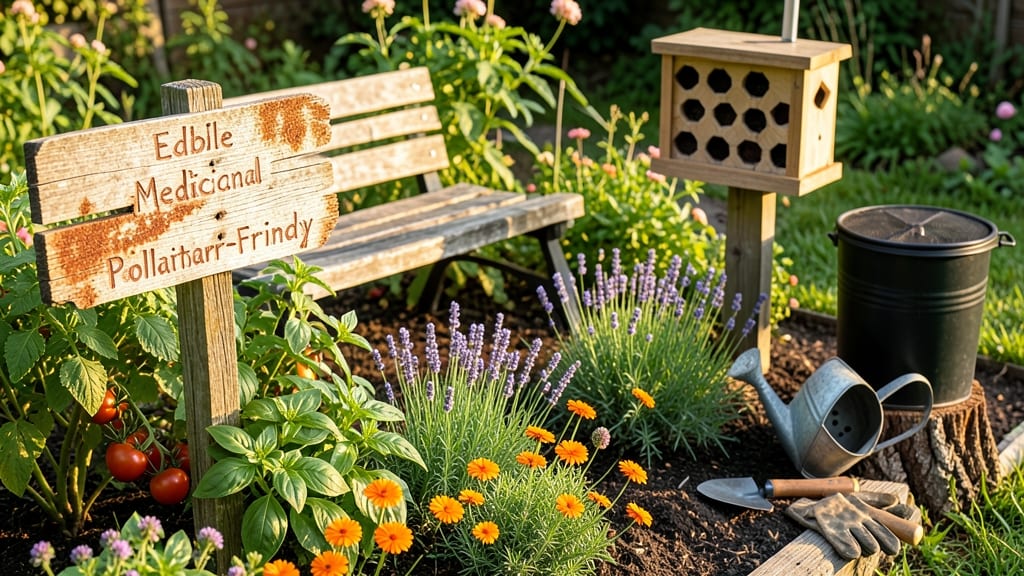
Purpose gardens create thriving ecosystems by nurturing native plants, eliminating harmful pesticides, and building layered habitats for wildlife, which directly enhances soil health and water conservation for sustainable biodiversity.
Purpose gardens aren't just decorative—they're intentional ecosystems designed to restore balance. 🌱 By focusing on native plants, these gardens provide critical food sources for pollinators like bees and butterflies while supporting the entire food chain.
The layered habitats—from ground covers to towering trees—create safe havens for birds, insects, and small mammals, all of which contribute to healthier soil through natural decomposition and improved water retention.
What makes them especially effective is their ability to reduce chemical inputs.
Many traditional gardens rely on pesticides that harm beneficial insects, but purpose gardens thrive without them, creating a self-sustaining cycle. 🐝 This approach doesn't just benefit wildlife—it also improves the garden's resilience against drought and erosion by maintaining robust soil microbiomes.
The real magic happens when you combine these elements with thoughtful design. Planting in seasonal layers ensures pollinators have food year-round, while water sources like small ponds or shallow dishes attract even more wildlife. Even urban spaces can transform into biodiversity hotspots with the right native species selection.
💡 In This Article
- How Purpose Gardens Boost Local Ecosystems
- Designing a Pollinator-Friendly Garden for Maximum Impact
How purpose gardens boost local ecosystems
Purpose gardens work their ecological magic through a cascade of interconnected benefits that start with native plant selection. These plants have co-evolved with local pollinators like bees and butterflies, offering nectar and pollen that match their nutritional needs perfectly.
For example, a 100-square-foot garden planted with native milkweed can support up to 20,000 monarch butterflies during migration season—a species whose population has declined by 90% since the 1990s.
The deep root systems of these plants also break up compacted soil, creating microhabitats for beneficial microbes that decompose organic matter into nutrients.
The layered habitat structure—often called "vertical biodiversity"—creates shelter and nesting sites at multiple levels. Ground covers like clover provide shade and moisture for soil-dwelling insects, while shrubs offer perches for birds that control pests naturally.
Studies show gardens with three or more plant layers can increase bird nesting success by 40% compared to single-layer landscapes.
This complexity disrupts pest cycles too: ladybugs and lacewings thrive in diverse gardens, preying on aphids before they become problematic, which reduces the need for chemical interventions by up to 75%. 🌿
Soil health becomes a self-reinforcing cycle in purpose gardens. Native plants release compounds through their roots that feed beneficial fungi and bacteria, creating a mycorrhizal network that transfers nutrients between plants.
This underground "wood wide web" improves water retention—sandy soils can hold 30% more moisture with proper mycorrhizal activity—while reducing erosion.
The absence of synthetic pesticides allows earthworm populations to flourish, with some gardens seeing 50% more worms per square yard than conventional landscapes, which directly boosts nutrient cycling through their castings.
Water conservation is another critical mechanism. Native plants have adapted to local rainfall patterns, requiring 30-50% less irrigation than non-native species. Their deep roots access groundwater while their waxy leaves reduce evaporation.
In drought-prone regions, purpose gardens can maintain 80% of their biodiversity even during three-month dry spells, compared to 20% in traditional gardens. This resilience creates stable microclimates that support amphibians like frogs, whose populations have declined by 67% globally due to habitat loss.
The most measurable impact comes from pollinator populations. Gardens planted with 10-15 native species can increase bee visitation by 300% within a single season, while providing continuous blooms from early spring to late fall.
For instance, a 2021 University of Vermont study found that purpose gardens with consecutive flowering periods supported 50% more bee species than those with seasonal gaps.
This pollinator boost directly translates to better fruit set in nearby crops, with some orchards seeing 25% higher yields when surrounded by purpose gardens. 🐝
What makes these ecosystems particularly powerful is their ability to scale across landscapes. Even small urban gardens create "stepping stones" for wildlife migration, while larger properties can restore entire food webs.
The cumulative effect of thousands of purpose gardens across a region creates what scientists call "ecological redundancy"—multiple species performing similar functions ensures the system remains stable even when individual species decline. This interconnected approach is why purpose gardens aren't just beautiful spaces, but active participants in local ecosystem recovery.