
Pests
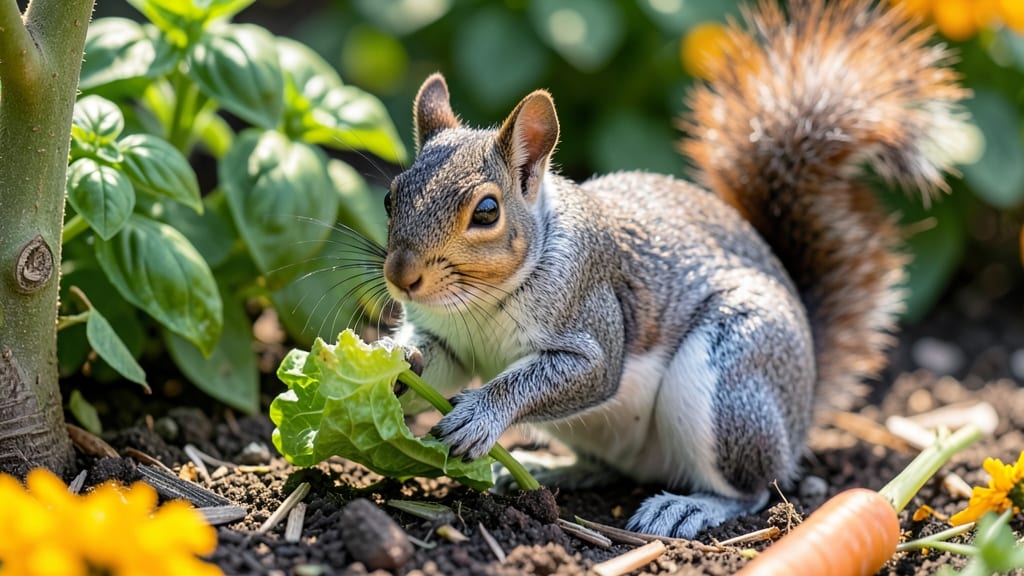
Your garden will absolutely be eaten by squirrels, which will devour tender seedlings, dig up bulbs, and strip fruits and vegetables—especially during spring and fall when natural food sources dwindle. Their powerful jaws can obliterate crops like corn, beans, and lettuce in mere minutes.
Squirrels treat gardens like all-you-can-eat buffets, especially when their winter stash of nuts runs low. 🌱 They’re drawn to anything sweet-smelling or soft—think young shoots, ripe tomatoes, or even flower bulbs. I’ve seen them completely strip a strawberry patch in a single afternoon!
The key to protection is understanding their behavior: they’re most active at dawn and dusk, which is when you’ll want to implement deterrents.
Physical barriers like chicken wire around vulnerable plants create instant protection, while natural repellents such as cayenne pepper sprays can make your garden less appealing. For stubborn cases, I’ve had success with motion-activated sprinklers—squirrels hate surprises!
The goal isn’t just to scare them off but to make your garden less tempting than their natural food sources.
💡 In This Article
- Why Squirrels Devour Garden Plants
- Natural and Chemical Squirrel Deterrents for Gardens
Why squirrels devour garden plants
Squirrels aren’t just cute backyard visitors—they’re opportunistic foragers with a diet that shifts dramatically based on food availability. 🌱 In late winter and early spring, when their buried nut caches are depleted, they turn to gardens as a high-calorie alternative.
Their natural instincts drive them to seek out anything sweet, soft, or easy to access, which explains why they target tender seedlings, ripe fruits, and even flower bulbs. The scent of fresh growth acts like a dinner bell, triggering their foraging behavior.
What makes certain plants particularly vulnerable? Squirrels have a preference for crops with high sugar content or delicate textures.
For example, a single squirrel can strip an entire corn stalk in minutes because the young ears are both sweet and easy to chew through with their sharp incisors. 🌽 Lettuce, beans, and strawberries are also high-risk targets—these plants offer both nutrition and minimal resistance.
Even tree saplings become fair game when their bark is soft enough to gnaw. The key factor here is accessibility: squirrels will climb, dig, or jump to reach their meals, which is why low-hanging fruits or ground-level bulbs are especially tempting.
Seasonal hunger plays a massive role in their garden-raiding behavior.
During spring and fall, when natural food sources are scarce, squirrels will travel farther and become more aggressive in their foraging. 🐿️ This is also when they’re most likely to dig up newly planted bulbs (like tulips or daffodils) to eat the roots or chew through the emerging shoots.
Their sharp claws can uproot entire plants in seconds, leaving behind a mess that takes weeks to recover from. Understanding this seasonal pattern helps gardeners time their protective measures effectively—early spring and late summer are critical windows for intervention.
Another surprising factor is how squirrels learn from their peers. If one squirrel discovers a particularly bountiful garden, others will quickly follow, turning your yard into a communal snack bar. 🚨 This herd mentality explains why a single deterrent might fail—you need comprehensive protection to cover all entry points.
Their intelligence also means they adapt quickly to changes, so static deterrents (like old CDs hung from trees) lose effectiveness over time. The solution? A multi-layered approach that combines physical barriers, scent repellents, and habitat modification to make your garden less appealing than their natural food sources.
Squirrels also have a strong preference for plants with high moisture content, which makes them more nutritious.
For instance, a ripe tomato is far more attractive than a dry leaf because it provides both hydration and energy. 🍅 This explains why they often target fruit trees, berry bushes, and vegetable patches during peak ripening seasons.
The contrast in texture—soft fruit versus tougher stems—makes the high-value targets even more enticing. By recognizing these patterns, gardeners can prioritize protecting the most vulnerable plants first, such as newly planted seedlings or fruit-bearing crops.
Finally, it’s important to note that squirrels aren’t just eating for themselves—they’re also preparing for winter. 🌰 They’ll often gather garden produce (like acorns or nuts from your trees) to cache for later, which means even if they don’t finish an entire plant, they’re still causing significant damage.
This behavior highlights why early intervention is crucial: once they’ve established a pattern of raiding your garden, breaking that habit becomes much harder. The goal is to make your garden less rewarding than their natural foraging grounds, which requires a combination of smart planting choices and strategic deterrents.