
Tools
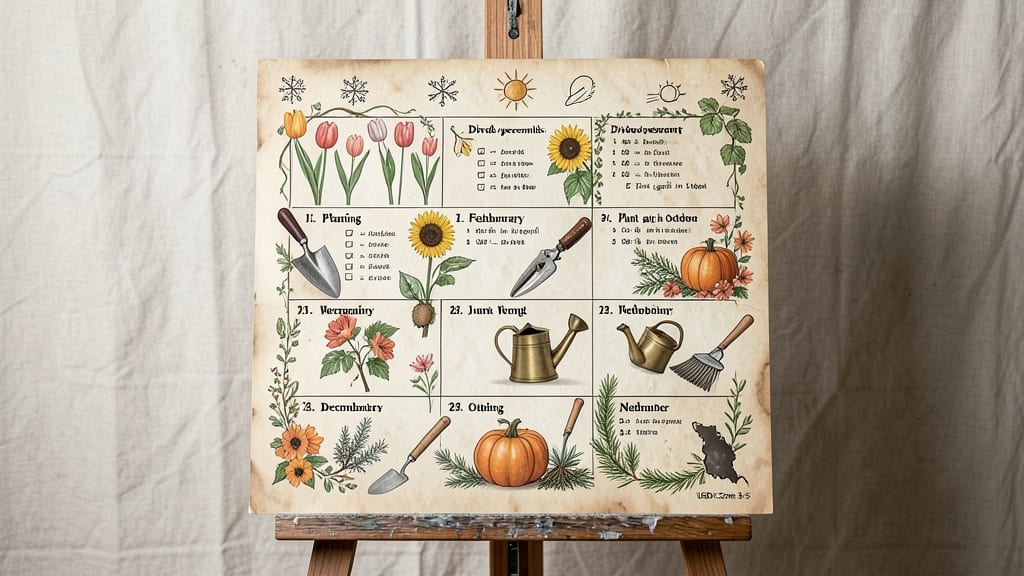
A Wisconsin gardening calendar for 2024 organizes planting, care, and harvest tasks by the state’s USDA Zones 3b-4b, with key deadlines like early spring seed starts (March), frost-sensitive crops (May 15), and fall planting (September 1). Local frost dates and soil temperatures guide seasonal transitions.
Wisconsin’s diverse microclimates mean your gardening schedule should account for both USDA Zones 3b-4b and regional variations—northern areas like Green Bay may face frost until May 10, while southern regions like Madison can start earlier. 🌱 The key is monitoring soil temperatures: most seeds need 40°F+ for germination, and warm-season crops like tomatoes thrive only after May 15.
I’ve found that tracking local weather patterns (like the National Weather Service’s frost alerts) helps adjust planting dates by up to two weeks, especially for delicate varieties.
Beyond deadlines, Wisconsin’s calendar also highlights seasonal maintenance tasks that vary by crop type. For example, March focuses on soil prep and cold-hardy crops like peas, while June shifts to weeding and mulching for summer vegetables.
Perennials, like coneflowers, benefit from fall division in September, while cool-season crops (spinach, kale) can be sown as early as August.
The calendar’s real value lies in its flexibility—adjusting for your specific elevation or urban vs. rural location can mean the difference between a thriving garden and a failed harvest.
💡 In This Article
- Wisconsin’s Planting Zones and Frost Dates
- Monthly Wisconsin Gardening Checklist by Task
Wisconsin’s planting zones and frost dates
Wisconsin’s gardening zones—primarily USDA Zones 3b-4b—reflect its dramatic climate shifts, where winter temperatures can plunge to -35°F in the north while southern areas rarely drop below 0°F. The zone difference translates to a 2-3 week window for planting frost-sensitive crops like tomatoes or peppers.
For example, in Zone 3b (northern Wisconsin), the average last frost date is around May 10, while Zone 4b (southern Wisconsin) typically sees its final frost by April 25.
This variance explains why gardeners in Madison might plant marigolds in early May, while those in Green Bay wait until mid-May.
The real science behind these dates lies in soil temperature thresholds for germination. Most cool-season crops (like spinach or lettuce) germinate at 40-50°F, while warm-season varieties (tomatoes, peppers) require 60°F+ soil.
A soil thermometer becomes your best friend here—planting too early in cold soil can lead to "seeds that rot in the ground," a common frustration.
I’ve seen Zone 3b gardeners use black plastic mulch to raise soil temperatures by 5-10°F, effectively extending the growing season by 2-3 weeks for heat-loving crops.
Microclimates add another layer of complexity. Urban areas like Milwaukee experience heat island effects, where pavement absorbs heat and creates pockets 5-10°F warmer than rural fields. This means your downtown garden might support pepper plants 10 days earlier than a farm 20 miles north.
Conversely, lake-effect snow in northern Wisconsin can push back frost dates by 1-2 weeks. The National Weather Service’s frost probability maps are invaluable for tracking these shifts—last year, I adjusted my Zone 4a planting by 7 days after seeing a 90% frost chance forecast.
Frost dates aren’t just about the calendar—they’re tied to plant hardiness and vernalization (the process where some plants need cold exposure to flower). For instance, hardy kiwi varieties thrive in Zone 4b because they’ve adapted to Wisconsin’s 100-120 days below freezing annually.
Meanwhile, tender perennials like canna lilies must be dug up by October 1 in Zone 3b to survive winter. This biological clock explains why some gardeners in Zone 4b can leave daylilies in the ground year-round, while Zone 3b gardeners treat them as annuals.
Here’s how to apply this science practically: Start by checking your specific USDA zone (use the USDA Plant Hardiness Zone Map), then adjust for your local frost history.
For Zone 3b, aim for May 15 for warm crops; in Zone 4b, you might push that to May 1. Use frost cloth to extend seasons by 2-4 weeks—I’ve seen it protect basil until October 15 in Zone 4b.
And remember: soil temperature > air temperature for planting decisions. A 60°F soil in May might feel safe, but if nighttime air drops to 35°F, your seedlings could still suffer.
For those in transition zones (like Zone 4a near the border), consider succession planting: start cool crops in March, warm crops in late May, and fall crops in August. This layered approach maximizes your 120-150 day growing season—the average for Wisconsin.
The key is flexibility: when in doubt, wait 2 weeks longer than the calendar suggests. Last year’s late May frost in Zone 4b wiped out my early tomato plants—a lesson in patience that saved my second planting from the same fate.