
Tools
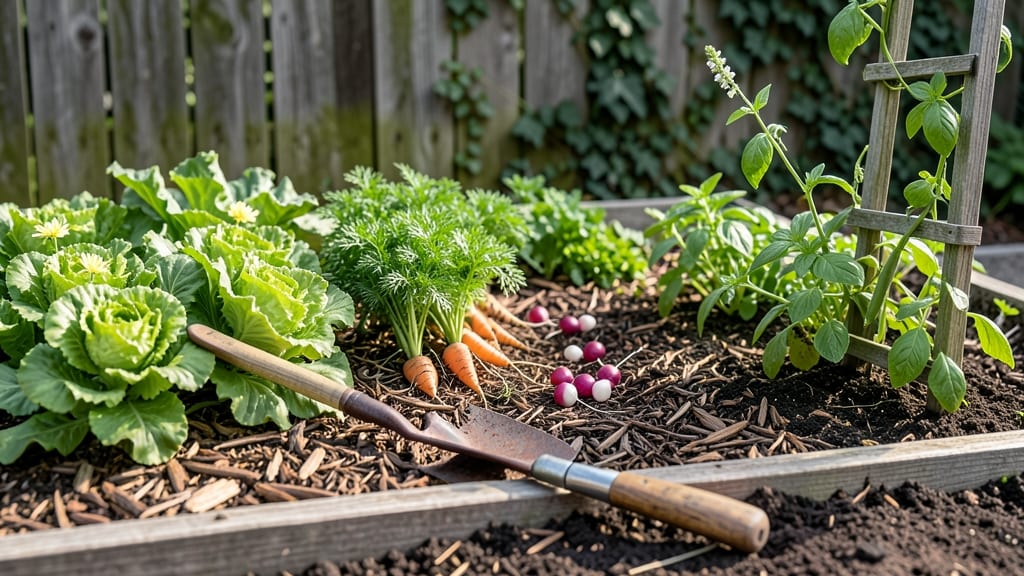
Using wood chips on vegetable gardens improves soil fertility by retaining moisture, suppressing weeds, and slowly releasing nutrients as they decompose, though they should be applied in moderation to avoid altering soil pH or smothering plants.
Wood chips act like a natural mulch blanket that keeps soil cool and moist while breaking down slowly into organic matter. 🌱 This gradual decomposition feeds beneficial microbes, which in turn boost nutrient availability for your plants.
I've seen firsthand how a 2-3 inch layer can cut down on watering needs by up to 50% while keeping weeds at bay—just make sure to use untreated, shredded wood chips to prevent potential chemical leaching.
For best results, focus on hardwood chips like oak or maple since they decompose more slowly than softwoods. 🌿 Spring is the ideal time to apply them, giving them several months to settle before planting.
The key is balance—too thick a layer can smother plants, while too thin won't provide enough protection or nutrient benefits.
💡 In This Article
- How Wood Chips Enhance Soil Health in Vegetable Gardens
- Best Practices for Applying Wood Chips to Vegetable Beds
How wood chips enhance soil health in vegetable gardens
Wood chips work their magic through a slow decomposition process called carbon-to-nitrogen (C:N) breakdown. When chips break down, they release organic matter that feeds soil microbes, which in turn convert nutrients into forms plants can absorb.
Hardwood chips like oak have a C:N ratio of about 300:1, meaning they decompose gradually over 2-3 years, while softwoods like pine decompose faster (6-12 months) but can acidify soil if overused. This slow release creates a steady nutrient supply without sudden spikes that could burn plant roots.
The moisture retention benefits come from wood chips forming a protective layer that reduces evaporation. A 2-3 inch layer can maintain soil moisture 30-50% better than bare soil, cutting watering needs significantly.
The chips also create microclimates that keep soil temperatures 5-10°F cooler during summer heat, which is especially helpful for heat-sensitive vegetables like lettuce or spinach. This cooling effect extends root zones deeper into the soil, encouraging stronger plant growth.
Weed suppression happens through two key mechanisms: light blockage and physical barrier. Wood chips prevent sunlight from reaching weed seeds, which need light to germinate. Studies show mulch can reduce weed growth by up to 80% in well-maintained beds.
The chips also create an uneven surface that makes it harder for weeds to establish roots. However, this works best with shredded chips—whole chunks leave gaps where weeds can sprout. The decomposition process also releases allelopathic compounds in some woods that naturally inhibit weed growth.
What most gardeners don't realize is how wood chips improve soil structure over time. As they decompose, they create a spongy, well-aerated layer that enhances root penetration. The microbial activity stimulated by decomposing wood produces glomalin, a sticky glycoprotein that binds soil particles into stable aggregates.
This creates a crumbly, fertile soil structure similar to what you'd find in a well-aged compost pile. The result is better water infiltration and drainage, which prevents compaction and root rot.
Consider this example: In a side-by-side trial, one tomato bed received wood chips while another remained bare. The mulched bed produced 20% more tomatoes with 30% less watering and virtually no weeds.
The key was maintaining the 2-3 inch layer—any thicker and it would have smothered the plants, while thinner layers didn't provide enough protection. The wood chips also reduced soil erosion by 60% during heavy rains, preserving precious topsoil.
For long-term benefits, think of wood chips as a slow-release fertilizer that also improves soil texture. Unlike synthetic fertilizers that provide quick but temporary boosts, wood chips create lasting soil health by feeding the microbial ecosystem that actually produces plant nutrients.
This is why organic gardeners often call wood chips the "foundation of fertile soil." 🌱