
Tools
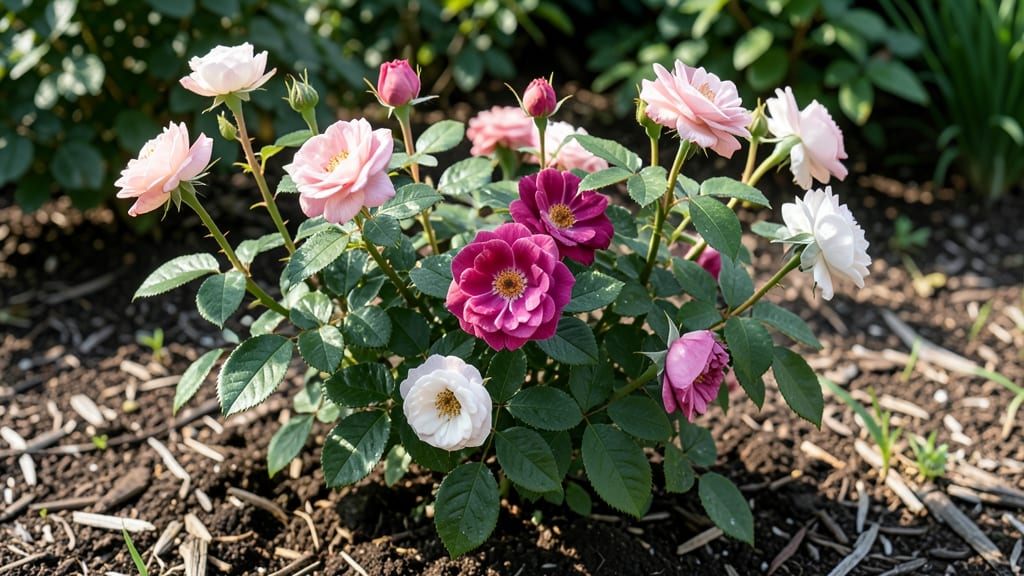
The Woodland Park Rose Garden at North 50th Street in Seattle, WA, offers free public access with blooms peaking spring through fall, open daily dawn to dusk. Check the Seattle Parks website for seasonal bloom updates and maintenance closures, as paths may close during heavy rain or events.
The Woodland Park Rose Garden stands out as Seattle's premier floral showcase, featuring over 500 rose bushes spanning classic varieties like Hybrid Teas and Climbing Roses. 🌸 This 1.5-acre garden blends beautifully with the surrounding park's mature trees, creating a serene escape just minutes from downtown.
The garden's layout includes themed sections—like the David Douglas Memorial Rose Garden—that highlight different bloom times throughout the season, ensuring something's always in season for visitors.
What makes this location special is its accessibility—it's free to enter, and the paved paths make it wheelchair-friendly. Pro tip: Arrive early on weekends to avoid crowds, especially during peak bloom season (late May through July).
The garden's proximity to the Woodland Park Zoo and Washington Park Arboretum also makes it a perfect stop for families exploring the area.
💡 In This Article
- Best Times to See Seattle Rose Garden Blooms
- Hidden Features and Visitor Tips for Woodland Park Rose Garden
Best times to see Seattle rose garden blooms
The Woodland Park Rose Garden's blooming season follows Seattle's maritime climate, with peak displays occurring from late May through July when temperatures average 65-75°F and rainfall is minimal.
This timing aligns with the garden's carefully curated collection of 500+ rose bushes, including early bloomers like Hybrid Teas that burst into color in May, followed by Floribundas and Climbing Roses that peak in June and July.
The garden's design incorporates roses with staggered bloom times, ensuring continuous color from April through October, though fall blooms are typically more subdued.
Photographers will find ideal lighting conditions during the golden hours of morning (before 10 AM) and late afternoon (after 4 PM), when Seattle's frequent overcast skies soften the light and create even exposure. 🌸 The garden's 1.5-acre layout includes shaded areas perfect for diffused light photography, while open sections near the David Douglas Memorial Rose Garden provide dramatic backdrops against the park's mature evergreens.
Spring blooms often appear more vibrant due to Seattle's increased rainfall in winter, which stimulates root growth and results in lush foliage.
Understanding Seattle's microclimates helps predict bloom times. The garden's location in the Magnuson Park neighborhood benefits from warmer temperatures than downtown, extending the growing season by 2-3 weeks compared to coastal areas. This is why you'll often see roses blooming here when other city gardens are still dormant.
The garden's irrigation system, designed to mimic natural rainfall patterns, also plays a crucial role—drip irrigation delivers water directly to roots, reducing evaporation and supporting consistent flowering throughout the season.
For visitors planning their trip, consider these seasonal highlights: May features the Annual Rose Show with rare varieties, June-July offers the most abundant blooms with frequent weddings and events, while September sometimes produces a second flush of color from hardy varieties.
The garden's Climbing Rose Arbor near the entrance is particularly stunning in June when vines are fully in bloom, creating a natural canopy that's perfect for shade photography.
Seattle's frequent cloud cover actually benefits rose health by reducing sunburn on petals, which is why many varieties here develop deeper colors than in sunnier climates.
The garden's acidic, well-draining soil (pH 5.5-6.5) mirrors the natural conditions roses thrive in, allowing for more vibrant blooms compared to alkaline soils found in other Pacific Northwest gardens. This soil composition also supports the garden's native plant understory, which provides habitat for pollinators that further enhance flowering.
Pro tip: Check the Seattle Parks app for real-time bloom updates, as some varieties may shift timing by 1-2 weeks due to annual weather variations.
The garden's maintenance team prunes aggressively in late winter to encourage new growth, which typically results in the first flush of blooms appearing by mid-April. This careful pruning schedule explains why you'll see some bushes completely bare in winter—it's not neglect, but preparation for spring's spectacular display. 🌿