
Tools
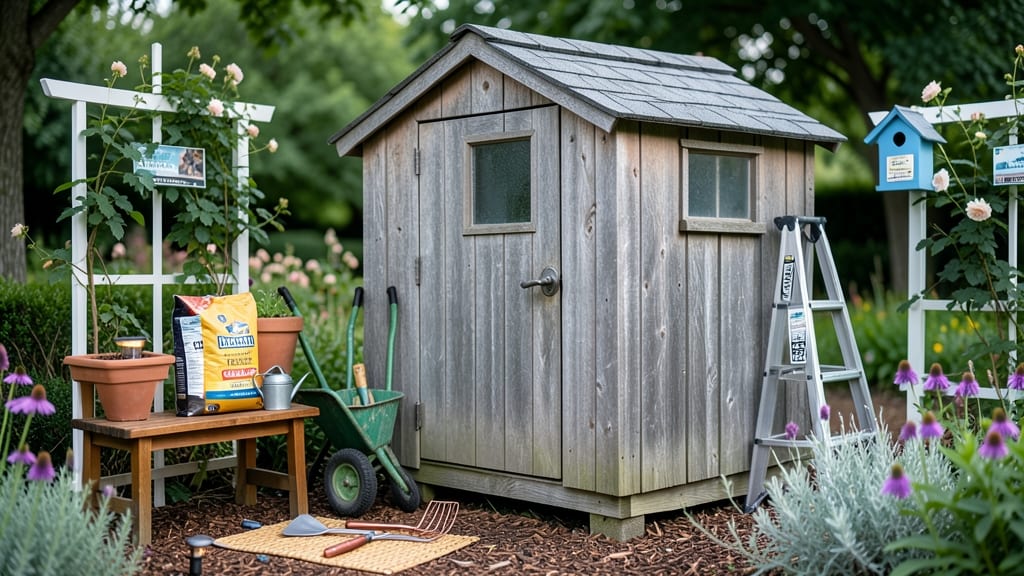
A compact 5 by 3 garden shed can transform your backyard with clever storage solutions like overhead lofts, fold-down workbenches, and wall-mounted racks that keep tools, pots, and supplies organized without clutter. Building on a solid foundation—whether gravel, concrete blocks, or skids—protects your shed from shifting ground and harsh weather.
A 5 by 3 garden shed might seem tiny, but its real magic lies in how you use every inch. 🔥 Vertical space is your best friend—think pegboards for hanging tools, tiered shelving for pots, or even a pull-down ladder to access loft storage.
I’ve seen gardeners double their usable space by mounting bins under shelves for seeds and small tools, keeping everything within arm’s reach. The foundation isn’t just about stability; it’s about longevity. For example, gravel pads work well in dry climates, while concrete blocks prevent rot in damp areas.
Always check your local building codes first—they often dictate height limits and foundation requirements for outbuildings.
What’s often overlooked is how the shed’s placement affects workflow. Position it near your garden’s entrance or along a frequently used path to minimize trips back and forth.
A 5x3 shed might not hold everything, but with the right layout, it can become the ultimate hub for your gardening essentials—tools, supplies, and even a cozy workspace for planning your next planting season.
💡 In This Article
- Optimizing Storage in a 5x3 Foot Garden Shed
- Best Foundation Types for Small Garden Sheds
Optimizing storage in a 5x3 foot garden shed
In a space this compact, every inch counts—and vertical real estate is your most valuable asset. I’ve found that pegboards mounted on one wall can hold 30+ tools (like trowels, pruners, and shears) while keeping them visible and accessible.
The key is arranging them by frequency of use, with your most-used tools at eye level. For example, place your gardening gloves and hand pruners within easy reach, while seasonal items (like snow shovels or holiday decorations) can go higher up or in under-shelf bins.
Lofted storage is another game-changer in a 5x3 shed. By adding a 2-foot-high loft along the back wall, you can store bulky items like seasonal pots or winter gear without sacrificing floor space.
Just ensure the loft has a sturdy 2x4 frame and plywood flooring rated for at least 25 pounds per square foot. For even more efficiency, install a fold-down workbench that doubles as a table when needed and tucks away to create walking space.
This modular approach keeps your shed functional for both storage and quick gardening tasks.
Don’t overlook the walls—they’re prime real estate for magnetic strips to hold metal tools or small containers for nails and screws. Under-shelf bins (like 12-inch-deep plastic organizers) can hold seeds, soil amendments, or small pots, maximizing every shelf’s capacity.
The goal is to create a system where everything has a home, reducing clutter and making it easier to find what you need mid-project.
For instance, group all your seed packets in one bin with a clear label, and keep fertilizer bags on a lower shelf for easy access while working in the garden.
Pathways matter too—leave at least 24 inches of clear space in the center to move around comfortably, especially if you’re kneeling or reaching for items on high shelves. This prevents tripping hazards and makes the shed feel more spacious.
For example, if you store a wheelbarrow inside, position it near the entrance so it doesn’t block the main aisle. And if you’re working with heavy items like bags of soil, use wall-mounted hooks or a rolling cart to keep them mobile and off the floor.
Lighting is often an afterthought, but it can make or break your shed’s usability. Install a bright LED strip light along the ceiling (or a battery-powered work light) to illuminate dark corners. This is especially helpful for tasks like sorting seeds or reading labels in low light.
I recommend 1000-lumen LEDs for even coverage—just enough brightness to see without glare. Pair this with a small fan if your shed gets hot, as proper ventilation prevents moisture buildup and keeps supplies like seeds and tools in good condition.
Finally, consider the seasonal rotation of your storage. In spring and summer, prioritize space for gardening tools and pots, while fall and winter can accommodate holiday decorations or winter gear.
Use clear bins with labels to quickly swap items as the seasons change. This keeps your shed organized year-round and ensures you’re always using the space efficiently. 🌱