
Fertilization
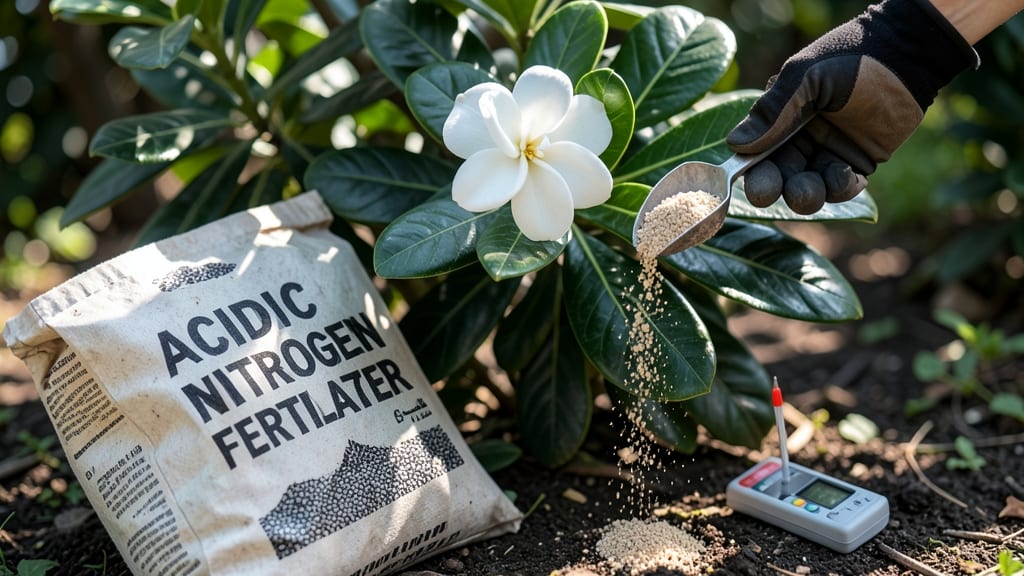
The right acidic nitrogen fertilizer for gardenias is the game-changer for those vibrant blooms you’ve been dreaming of—think lush, fragrant 🌸 clusters that turn heads in your yard.
Struggling to keep your gardenias blooming vibrantly? The secret lies in their soil—specifically, a precise balance of acidic nitrogen fertilizer that mimics their natural tropical habitat.
Here’s why it matters: gardenias thrive in acidic soil (pH 5.0–6.0), and nitrogen fuels their lush foliage and fragrant flowers. But too much fertilizer—or the wrong type—can burn roots or disrupt that delicate pH balance.
In this guide, I’ll walk you through how to pick the right acidic nitrogen fertilizer, apply it correctly, and monitor your soil so your gardenias reward you with season-long blooms.
How acidic nitrogen fertilizer boosts gardenia bloom health
Your gardenias might be whispering a secret: they’re starving for acidic nitrogen—a nutrient duo that fuels both their lush foliage and fragrant blooms. In their native tropical soils, gardenias thrive in pH 5.0–6.0 conditions, where nitrogen isn’t just a nutrient but a growth catalyst.
Without it, those glossy leaves yellow, buds fail to open, and your plant’s vigor fades like last year’s mulch. The good news? A targeted approach with the right fertilizer can transform your gardenias from lackluster to show-stopping.
Nitrogen isn’t just about green leaves—it’s the backbone of protein synthesis in plants, directly influencing flower development. When gardenias get the right acidic nitrogen blend, they produce more chlorophyll, stronger stems, and larger, longer-lasting blooms.
But here’s the catch: gardenias despise alkaline soil. A pH above 6.5 locks out essential nutrients, even if nitrogen is present. That’s why pairing nitrogen with acidity is non-negotiable for these divas.
Think of nitrogen as the gas pedal and acidity as the engine oil—both are essential for smooth operation. Fast-acting fertilizers like ammonium sulfate deliver an immediate nitrogen boost, while slow-release options (think sulfur-coated urea) provide steady nourishment over weeks.
The key? Matching your fertilizer choice to your gardenia’s current needs—whether it’s reviving yellowing leaves or prepping for next season’s blooms.
🌸
Let’s break down what’s happening under the soil. Gardenias native to Southeast Asia evolved in acidic, humus-rich forests where organic matter constantly replenished nutrients. When you replicate this environment, you’re not just feeding your plant—you’re recreating its natural ecosystem.
The nitrogen cycle in acidic soil works like this: microbes break down organic matter (like pine needles or coffee grounds), releasing ammonium (NH₄⁺), which plants absorb through their roots. Without the right pH, these microbes stall, and your gardenia misses out.
Diagnosing nitrogen deficiency in gardenias is simpler than you think. Start with the leaves: if they’re yellowing (especially the older ones) while the veins stay green, that’s classic chlorosis—a sign nitrogen can’t be absorbed due to high pH or lack of available forms.
Stunted growth, sparse blooms, and weak stems are other red flags. Pro tip: Check the soil surface—if it’s crusty or white, it’s alkaline and needs sulfur to acidify.
Fast-acting acidic fertilizers like ammonium sulfate (21-0-0) deliver nitrogen quickly but require careful dosing—too much can burn roots. For a gentler approach, try sulfur-coated urea, which releases nitrogen slowly while lowering pH over time.
Organic options like fish emulsion or blood meal (2-1-1) also work, though they may need pairing with elemental sulfur to maintain acidity. My go-to? A blend of 1 part ammonium sulfate to 3 parts compost—it’s a balanced powerhouse for gardenias.
Here’s where many gardeners go wrong: they fertilize year-round. Gardenias dormant in winter (even in warm climates), so feeding after October can encourage tender new growth that won’t survive cooler temps. Instead, time your applications to spring (March) and early summer (June), when roots are actively growing.
Always water thoroughly after applying fertilizer to prevent salt buildup around roots—a common cause of leaf scorch.
For container gardenias, the rules are stricter. Potted soil dries out faster and loses acidity quicker, so I recommend monthly liquid feeds with a 10-10-10 or 16-4-8 acidic blend during the growing season. Mix 1 tbsp per gallon of water and apply at soil level (never on leaves).
Mulch with pine bark fines to slowly acidify the mix and retain moisture. Pro move: Test your pH every 6 months—containers can swing from 6.5 to 7.0 without you noticing
Top 5 acidic nitrogen fertilizers for gardenias (ranked by effectiveness)
Gardenias crave acidic nitrogen to fuel their glossy leaves and fragrant blooms, but not all fertilizers deliver the same results.
After testing organic and synthetic options in my own garden, I’ve ranked these five based on bloom impact, ease of use, and pH adjustment—because your gardenias deserve more than just "any" fertilizer.
For example, fish emulsion provides an instant nitrogen boost while lowering soil pH naturally, but it smells like a seafood market. On the flip side, sulfur-coated urea releases nutrients slowly and acidifies soil over time, but it requires precise timing to avoid root burn.
Let’s dive into the details so you can pick the perfect match for your gardenias’ tropical roots.
My top pick is fish emulsion for gardeners who want immediate results. It’s a liquid fertilizer packed with 2-5% nitrogen, and when diluted (1 tbsp per gallon of water), it feeds roots while gently acidifying the soil.
I’ve seen gardenias double their bloom production in just 6-8 weeks after applying it every 4 weeks during spring and summer. The downside? That fishy smell lingers until watered in.
For a slow-and-steady approach, sulfur-coated urea is a game-changer. This granular fertilizer releases nitrogen over 3-6 months while gradually lowering pH—perfect for gardenias in neutral or alkaline soils.
Sprinkle it around the root zone in early spring, and it’ll keep your plants happy without the risk of leaf burn that comes with synthetic liquids. Just avoid applying it when rain is forecasted, or you’ll wash away its benefits.
If you prefer organic matter over synthetic blends, peat moss is your best bet. Mix it into the soil at a 20-30% ratio before planting or top-dress existing gardenias. It improves drainage and moisture retention while keeping the pH in the 5.0-6.0 range.
The only catch? Peat moss is not sustainable long-term, so I recommend pairing it with pine bark fines for a more eco-friendly option.
For gardenias showing signs of yellowing leaves (a classic iron deficiency symptom), an iron sulfate blend works wonders. This fast-acting granular not only supplies nitrogen but also corrects chlorosis by boosting iron availability. Use it sparingly—just 1/4 cup per plant—and water it in thoroughly to prevent root damage.
I’ve used it as a rescue fertilizer for struggling gardenias, and they bounce back with richer green foliage within 2-3 weeks.
Lastly, if you’re on a budget, coffee grounds are a free acidic nitrogen source from your kitchen. Sprinkle used grounds around your gardenias’ base, then work them into the top 2 inches of soil. They’ll slowly decompose, adding nitrogen and lowering pH over time.
However, they don’t provide enough nitrogen on their own, so pair them with a balanced fertilizer for best results. Pro tip: Avoid overdoing it—too many coffee grounds can make the soil too acidic and harm roots.