
Size
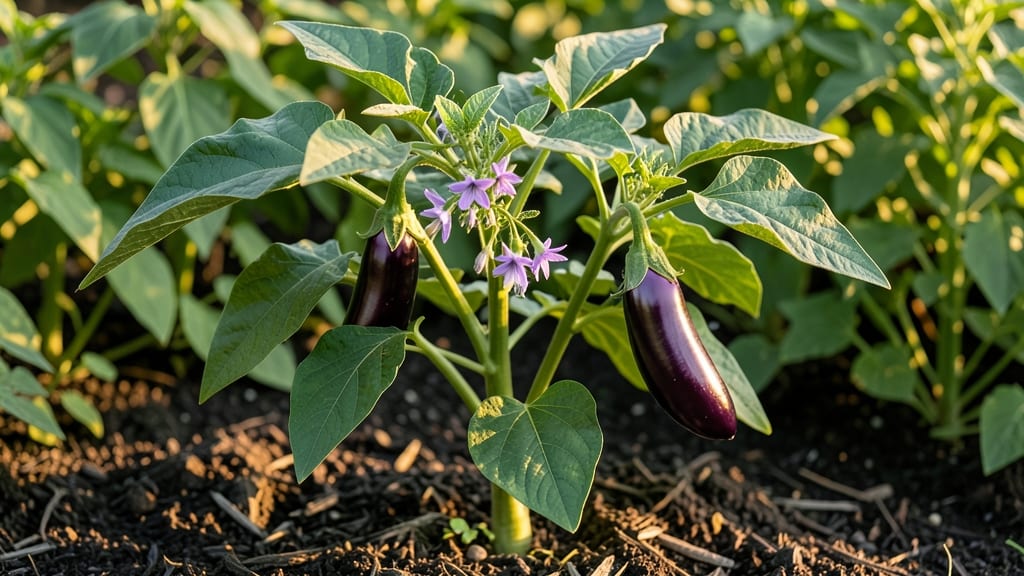
Putting all your eggs in vertical gardening grows a garden by transforming walls, fences, and shelves into productive growing space, letting you cultivate more plants in less square footage with minimal ground interference.
This approach isn't just about saving space—it's a game-changer for light exposure and airflow. 🌱 Plants in stacked systems often get better sun access since they're not competing for ground-level rays, and the vertical arrangement improves circulation, reducing disease risk.
I've seen basil, cherry tomatoes, and even strawberries thrive in just a few square feet when stacked properly, making it perfect for balconies or tiny backyards.
What makes it work so well is how you can customize the setup. Fabric pockets on walls let roots breathe while retaining moisture, while wooden crates give you sturdy, reusable containers. For those with limited mobility, hanging planters eliminate bending, and hydroponic towers let you grow greens without soil entirely.
The key is matching your plants to their ideal vertical environment—leafy greens love the pockets, while vining plants need sturdy trellises or cages.
💡 In This Article
- How Vertical Gardening Boosts Yield in Small Spaces
- Best Vertical Garden Systems for Beginners
How vertical gardening boosts yield in small spaces
Vertical gardening works by stacking plants in layers, which fundamentally changes how they access sunlight and nutrients. Unlike traditional ground-level planting where plants compete for light, stacked systems distribute plants at different heights, maximizing exposure to sunlight throughout the day.
For example, a 6-foot-tall wall garden can capture light from multiple angles, while ground plants might only get direct rays for a few hours. This is especially valuable in urban areas where buildings cast shadows.
The root systems also benefit from this arrangement. In stacked containers, roots grow downward in a more concentrated space, which means they can access nutrients and water more efficiently.
Unlike sprawling ground roots that spread out horizontally, vertical roots stay compact, reducing soil depletion and allowing you to grow more plants in the same volume.
For instance, a 12-inch-deep vertical pocket holds enough soil for a single basil plant, but stacking 20 pockets vertically gives you the equivalent of a 20-square-foot garden in just 1 square foot of wall space. 🌿
Air circulation is another game-changer. When plants are spaced vertically, air moves more freely between them, reducing humidity and lowering the risk of fungal diseases like powdery mildew. In ground-level gardens, dense foliage can trap moisture, creating ideal conditions for mold.
Vertical setups also make it easier to spot pests early, as you can inspect each layer individually. This is why herbs like thyme and oregano—prone to mildew—thrive in vertical gardens when given proper spacing between tiers.
Light optimization isn't just about quantity; it's also about quality. Plants in the upper tiers receive more intense, direct sunlight, while those in lower tiers benefit from diffused light that's gentler on delicate leaves. This stratification mimics natural forest ecosystems, where understory plants adapt to lower light conditions.
For example, leafy greens like kale or Swiss chard can be placed in the lower tiers, while sun-loving tomatoes or peppers occupy the top spots. The result? A harmonious balance where every plant gets the right amount of light for its needs.
Soil management becomes more efficient too. In stacked systems, you can use lighter, nutrient-dense mixes that drain quickly—critical for preventing root rot in confined spaces. Unlike ground gardens where soil compacts over time, vertical containers allow you to refresh the growing medium annually with minimal effort.
For instance, a 5-gallon fabric pocket can be emptied, composted, and refilled in under 10 minutes, a task that would take hours in a traditional bed. This efficiency is why vertical gardening is a favorite among urban gardeners with limited time.
Finally, vertical stacking reduces physical strain. Bending and kneeling are eliminated, making gardening accessible for people with mobility challenges. The ergonomic benefits alone make it a smart choice for small spaces where every inch counts.
Whether you're growing microgreens in a hydroponic tower or cherry tomatoes in a hanging basket, the vertical approach turns constraints into opportunities. 💫