
Tools
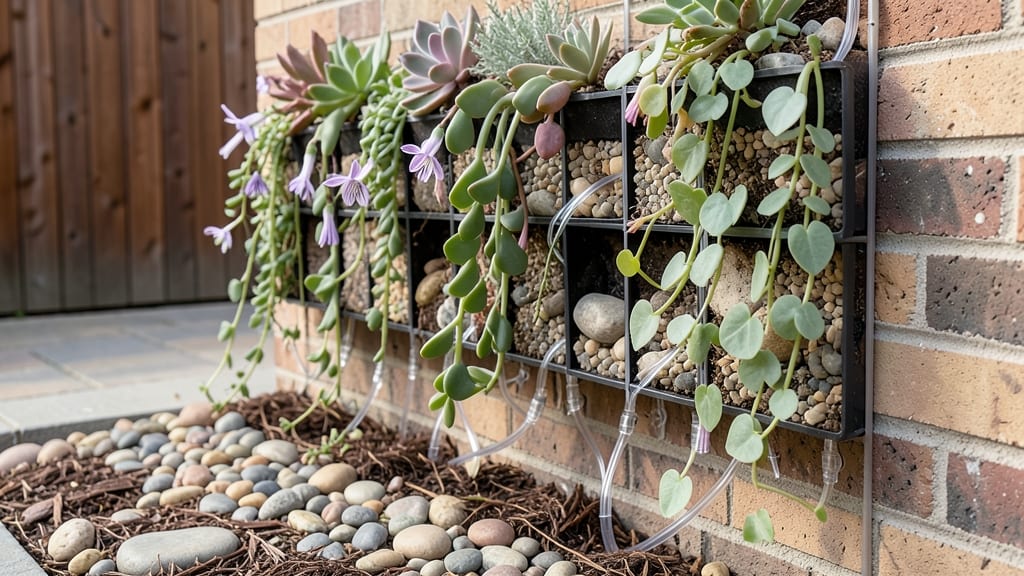
Designing an outdoor wall garden transforms tight spaces into vibrant green havens 🌿—ideal for small yards, balconies, or urban patios.
Picture this: a vertical oasis where herbs, flowers, and veggies thrive without stealing precious floor space. Whether you're working with a cramped balcony or a narrow alleyway, these space-saving designs let you grow more with less.
From modular pockets to trellis-climbing vines, I’ll walk you through the best layouts, plant pairings, and materials to build a wall garden that’s both functional and stunning—no green thumb required.
You’ll discover how to maximize sunlight, choose low-maintenance plants, and keep your garden lush year-round, even in limited square footage.
Creative outdoor wall garden designs for small spaces
Transforming limited outdoor spaces into lush, functional gardens doesn’t require sacrificing greenery—wall gardens offer the perfect solution for small yards, balconies, and urban patios. By utilizing vertical space, you can create stunning displays while maximizing your growing area.
Whether you're working with a tiny balcony or a narrow backyard, these space-saving designs will inspire your next gardening project.
Outdoor wall gardens combine aesthetics with functionality, allowing you to grow herbs, flowers, and vegetables without taking up valuable floor space. The key lies in selecting the right structural materials—like weather-resistant wood, galvanized metal, or durable fabric—and choosing plants that thrive in vertical conditions.
Let’s explore 10+ innovative designs to fit your space and style.
One of my favorite designs is the tiered wooden shelves, which create a cascading effect perfect for herbs like basil, thyme, and parsley. Cedar or redwood are excellent choices for their natural resistance to rot and pests.
For a more modern look, consider modular plastic panels—they’re lightweight, stackable, and ideal for growing leafy greens like lettuce or spinach in full sun.
If you love trailing plants, hanging fabric pockets are a game-changer. They’re perfect for strawberries, nasturtiums, or even small peppers. The fabric allows roots to breathe while retaining moisture, making them low-maintenance.
For a rustic touch, repurpose wooden pallets into vertical gardens—just line them with landscape fabric to prevent soil spillage and add pockets for plants.
For climbers like roses or beans, a metal grid trellis attached to your wall provides structural support while adding vertical interest. Galvanized steel ensures durability, even in harsh weather. If you're experimenting with hydroponics, a wall-mounted system lets you grow herbs or greens without soil, saving space and water.
These systems are perfect for urban balconies with limited sunlight.
Don’t overlook the charm of macramé hanging baskets for delicate plants like ferns or ivy. They add a boho touch to your outdoor space while keeping maintenance minimal.
The key to success with any design is choosing the right materials for your climate—for example, metal grids hold up better in rainy
Best plants for outdoor wall gardens: sunlight, climate, and care guide
Choosing the right plants for your outdoor wall garden depends on three key factors: sunlight exposure, climate compatibility, and maintenance needs. Unlike traditional gardens, wall gardens thrive in confined spaces, so selecting compact, trailing, or climbing varieties ensures lush greenery without overwhelming your design.
Whether your space gets full sun, partial shade, or low light, there’s a perfect plant for every condition.
For sun-loving plants, opt for varieties like sedum or thyme, which handle heat and drought beautifully. In shadier spots, ferns and ivy create elegant textures with minimal care.
Meanwhile, herbs like mint or basil thrive in partial shade while adding practicality to your garden. Seasonal swaps—like replacing spring bulbs with fall mums—keep your wall garden vibrant year-round.
- Full Sun (6+ hours/day): Sedum, lavender, rosemary – Drought-tolerant and compact. ✅ Ideal for south-facing walls
- Partial Shade (3-6 hours/day): Ferns, heuchera, hostas – Thrives with morning sun. ✅ Perfect for east/west exposures
- Low Light (<3 hours/day): Pothos, English ivy, peperomia – Slow-growing but hardy. ✅ Revives dull corners
- Climbing Vines: Clematis, jasmine, morning glory – Adds height and fragrance. ✅ Needs trellis support
- Edible Picks: Strawberries, cherry tomatoes, basil – Compact and productive. ✅ Harvest fresh herbs daily
When selecting plants, consider your climate zone. In hot, dry regions, succulents and sedum conserve water effortlessly, while cool, humid climates favor mosses and hostas that thrive in moisture. Always check root depth requirements—shallow-rooted plants like thyme work better in thin soil layers typical of wall gardens.
Mix textures for visual interest: pair spiky succulents with soft ferns for contrast.
Care routines vary by plant type. Succulents and herbs need well-draining soil and infrequent watering, while ferns and ivy prefer moist, humus-rich soil. Prune climbing vines regularly to control growth and encourage bushier foliage.
In winter, protect tender plants with frost cloth or move potted varieties indoors. Mulching around the base of plants helps retain moisture and regulate soil temperature, especially in urban heat islands.
For year-round color, layer evergreen plants like boxwood or holly with seasonal bloomers such as pansies in winter and petunias in summer. Group plants with similar water and sunlight needs together to simplify maintenance.
For example, cluster herbs in one section and flowers in another. This zonal approach makes it easier to monitor and care for your wall garden efficiently.
Don’t overlook the structural support your plants need. Use coco coir pockets for lightweight vines, fabric grow bags for herbs, or modular panels for a clean look. Test soil pH before planting—most wall garden plants prefer slightly acidic to neutral soil (6.0–7.0).
If your wall faces north, supplement with grow lights during winter months to extend the growing season for light-sensitive plants like basil or lettuce.