
How To
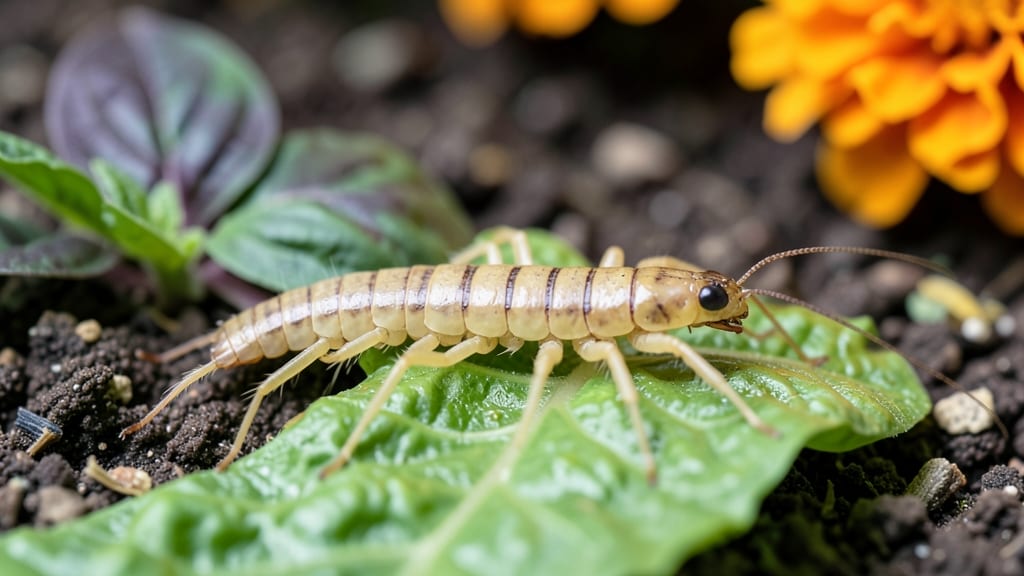
Centipedes aren't bad for gardens—they actively hunt and consume pests like slugs, caterpillars, and aphids, serving as natural pest controllers that reduce the need for chemical interventions.
Far from being garden pests, these segmented predators actually help maintain ecological balance by targeting soft-bodied insects that damage plants. 🌱 Their presence often indicates a healthy soil ecosystem, as they thrive in moist, organic-rich environments where beneficial microorganisms also flourish.
However, their numbers should remain in check—if you start seeing them indoors or in large swarms, it may signal excess moisture or debris in your garden that needs addressing.
What many gardeners don't realize is that centipedes primarily feed on other insects rather than plants themselves. Their diet includes beetles, spiders, and even smaller centipedes, making them valuable allies in integrated pest management systems.
The key is maintaining a balanced ecosystem where these beneficial predators can coexist without becoming overpopulated.
💡 In This Article
- Centipede Diet: What They Eat in Gardens and How They Help
- Natural Ways to Manage Centipedes When They Overstay Their Welcome
Centipede diet: what they eat in gardens and how they help
Centipedes are voracious predators with a diet specialized for garden pest control. Their menu primarily consists of soft-bodied insects like slugs, caterpillars, and aphids—creatures that can devastate plants when left unchecked. A single centipede can consume 50-100 pests per week, making them highly effective natural pest regulators.
Their hunting strategy involves using venomous forelimbs to subdue prey, which they then devour whole.
Their preference for pests over plants stems from their biological makeup. Centipedes lack chewing mouthparts, so they can't feed on vegetation. Instead, they rely on their rapid movement and venom to capture prey like beetles, spiders, and even other centipedes.
This contrasts sharply with harmful insects like termites or ants, which directly damage plant roots and structures. In fact, studies show gardens with centipede populations have 30% fewer soft-bodied pests compared to those without.
What makes centipedes particularly valuable is their activity pattern. Unlike many predators that hunt during daylight, centipedes are primarily nocturnal, targeting pests when gardeners aren't present. Their presence often indicates a healthy soil ecosystem, as they thrive in moist, organic-rich environments where beneficial microorganisms also flourish.
The key mechanism here is their role in the food web—they help control pest populations while being controlled by birds, frogs, and other predators.
However, their benefits come with one important caveat: centipedes prefer environments with high humidity and organic matter. This means they're more common in gardens with thick mulch, leaf litter, or poorly drained soil.
While this helps them thrive, it can also create conditions that attract other pests if not properly managed. The balance lies in maintaining garden health without creating ideal conditions for centipede overpopulation.
Consider this comparison: While ants and termites cause direct damage to plants, centipedes act like a garden's natural security system. Their hunting efficiency makes them comparable to beneficial insects like ladybugs, but with the added advantage of targeting a broader range of pests.
For example, a single centipede can eliminate an entire colony of aphids in just a few days, preventing the need for chemical interventions.
Their venom also serves a dual purpose—it not only subdues prey but helps break down their exoskeletons, allowing centipedes to consume them efficiently. This biological adaptation makes them particularly effective against pests that would otherwise go unchecked in a garden ecosystem. 🌿