
Pests
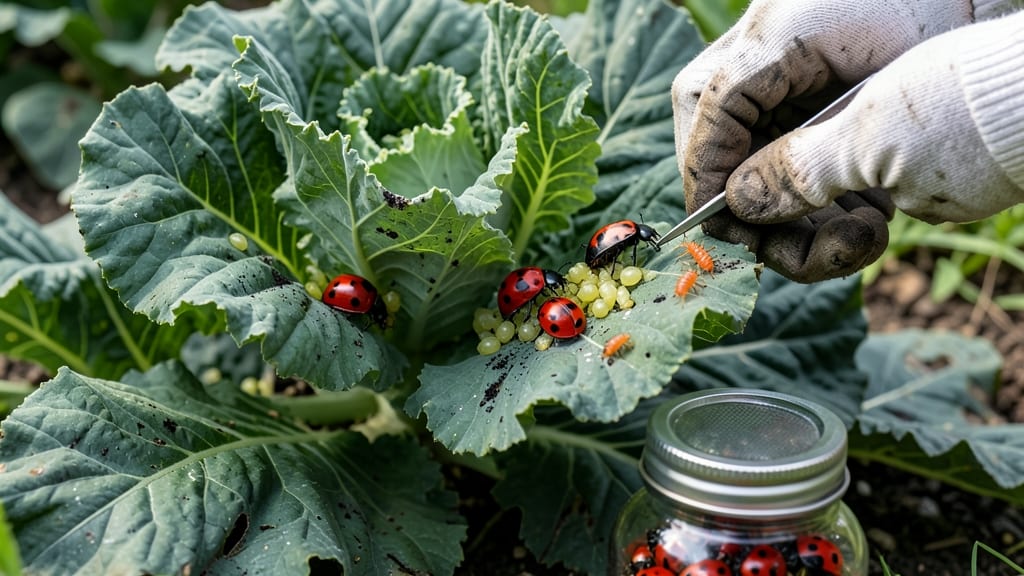
Ladybugs are one of nature's best allies for garden pest control, as they devour aphids, mites, and other soft-bodied insects—eating up to 5,000 pests in their lifetime. Their non-toxic, chemical-free approach makes them ideal for organic gardens, but success depends on proper release timing and habitat setup.
These tiny predators aren't just effective—they're efficient. 💫 Larvae are especially voracious, consuming even more pests than adults, while their selective feeding habits protect your plants from harm.
The key to maximizing their impact lies in releasing them at dawn or dusk when temperatures are cooler, and providing shaded areas with water sources to keep them thriving in your garden ecosystem.
Unlike chemical pesticides, ladybugs won't harm your plants or beneficial insects like bees and butterflies. Their natural instincts drive them to hunt pests like aphids and spider mites, which means you get targeted pest control without the collateral damage.
For best results, choose native species when possible—they're better adapted to your local climate and more likely to stay and reproduce in your garden.
💡 In This Article
- How Ladybugs Naturally Combat Garden Pests
- Optimal Ladybug Release Strategies for Maximum Pest Control
How ladybugs naturally combat garden pests
The biological magic of ladybugs lies in their two-stage life cycle, where both larvae and adults play distinct roles in pest control. Adult ladybugs primarily target aphids, mites, and soft-bodied insects, consuming about 50-100 pests per day.
However, their larvae are even more efficient predators, devouring 400-500 pests daily during their 2-3 week developmental period. This voracious appetite makes them particularly effective against early-stage infestations before they become unmanageable.
Ladybugs employ a fascinating hunting strategy that combines visual cues and chemical detection. Their compound eyes allow them to spot prey from up to 3 feet away, while they use their antennae to detect the plant chemicals released by stressed plants—signaling where pests are feeding.
This dual-sensory approach ensures they locate and target pests with remarkable precision. 🌿 What's equally impressive is their selectivity: research shows they avoid beneficial insects like bees and ladybugs themselves, focusing almost exclusively on pests that damage plants.
The speed at which ladybugs reproduce also amplifies their pest control benefits. A single female can lay 300-400 eggs in her lifetime, and these hatch into larvae within 3-5 days under ideal conditions. The larvae then begin their own pest-hunting journey, creating a self-sustaining cycle in your garden.
This natural population growth means that once established, ladybugs can provide ongoing protection without needing repeated releases—though initial introduction is still crucial for establishing the colony.
Temperature plays a critical role in their effectiveness. Ladybugs are most active between 60-75°F, which is why releasing them during cooler morning or evening hours helps them avoid heat stress and conserves energy for hunting.
Below 50°F, their metabolic rate slows dramatically, reducing their pest consumption by up to 50%. This temperature sensitivity explains why they thrive in temperate climates but may struggle in extreme heat or cold without proper habitat support.
Another fascinating aspect is their chemical defense mechanism. When threatened, ladybugs secrete a yellow, foul-tasting fluid from their leg joints that deters predators. This natural defense system makes them less vulnerable to birds and other natural enemies, allowing them to focus entirely on controlling garden pests.
The fluid's unpleasant taste also serves as a warning signal to other predators, creating a protective bubble around the ladybug population in your garden.
For maximum impact, consider releasing multiple generations throughout the growing season. Early spring releases establish the initial colony, while summer releases provide fresh larvae to combat mid-season pest outbreaks.
The key is maintaining a healthy population density—aim for 10-20 ladybugs per 100 square feet of garden space to create an effective pest control network. 🌱