
Planting
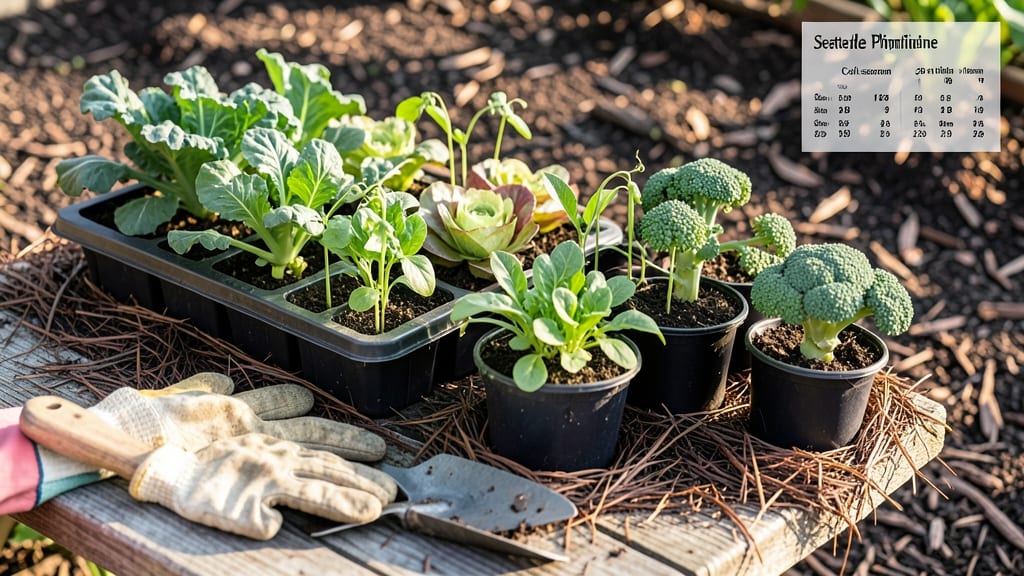
Planting a vegetable garden in Seattle means timing your crops to outsmart the unpredictable rain and late frosts that can turn a thriving plot into a soggy mess.
Seattle’s unpredictable weather can turn a gardener’s dream into a frost-burned nightmare—but timing your 🥬 vegetable garden just right means harvesting fresh produce even in the Pacific Northwest’s chilliest months.
Cool-season crops like spinach and peas thrive when planted 4-6 weeks before Seattle’s last frost (around mid-March), while warm-season favorites like tomatoes and peppers need to wait until late May—after the risk of frost has passed.
Below, I break down the exact weeks to start seeds indoors, the best outdoor planting windows for your neighborhood, and how to protect your garden from Seattle’s infamous late frosts.
Seattle’s frost-free planting zones: when to start seeds indoors vs. direct sowing outdoors
Seattle’s USDA Zones 8a/8b might suggest a long growing season, but microclimates—especially between urban, suburban, and rural areas—create dramatic differences in last frost dates.
Urban heat islands can delay frost by 2-3 weeks compared to rural areas, while windy coastal zones like Ballard or West Seattle may experience earlier frosts. Understanding these variations is key to avoiding frost damage and maximizing your harvest.
For cool-season crops like spinach, peas, and kale, starting seeds indoors 4-6 weeks before your area’s last frost date gives them a head start. Meanwhile, warm-season crops such as tomatoes, peppers, and cucumbers should wait until after the last frost to be planted outdoors.
Let’s break down the exact timing for Seattle’s most common growing zones.
Note: Seattle’s average last frost date is March 15, but urban areas (like Downtown or Capitol Hill) may see April 1 as a safer benchmark. Rural areas (like Sammamish or Redmond) often experience frost until March 25. Always check local weather forecasts in early spring for real-time updates.
If you’re growing cool-season crops like lettuce or radishes, direct sowing outdoors as soon as the soil is workable (around February 20 in rural areas) can give you an early harvest.
However, peppers and eggplants are heat-lovers and need to wait until soil temperatures reach 60°F+, which typically happens in late May for most of Seattle.
For indoor seed starting, use grow lights or a sunny south-facing window to provide 12-16 hours of light daily. Transplant seedlings outdoors only after hardening them off for 7-10 days—this means gradually exposing them to outdoor conditions to avoid shock.
Hardening off is especially critical in windy Seattle, where sudden temperature swings can stress young plants.
Pro tip: Use row covers or cold frames to extend your growing season. These tools can push your last harvest date into October or November for cool-season crops like broccoli or cabbage. Just be sure to remove them during the day to prevent overheating in summer.
Seattle’s short growing season demands precision, but with these microclimate adjustments, you can optimize your planting schedule for maximum yield. Whether
Best vegetables to grow in Seattle’s short season: month-by-month planting calendar
Seattle’s cool, wet climate and short growing season demand smart planning—but with the right crops and timing, you can enjoy fresh produce year-round. The key? Focus on cold-hardy vegetables that thrive in USDA Zone 8a and use succession planting to extend harvests.
Whether you’re a beginner or seasoned gardener, this month-by-month guide will help you maximize your garden’s potential.
Seattle’s last frost date typically falls around March 15, while the first frost arrives by October 15. This gives you roughly 165 frost-free days—plenty of time for cool-season crops like kale and carrots, and even warm-season favorites like tomatoes and peppers if you start early.
The trick is to plant fast-maturing varieties and use row covers or cold frames to push your season’s limits.
📅 March-April: Start cool-season crops like spinach, peas, and lettuce indoors or direct-sow outdoors. These fast-growing vegetables can handle chilly temperatures and even light frosts. For hardier greens like kale and Swiss chard, sow seeds directly into the soil as soon as it’s workable. March is also the time to plant garlic and onions for a fall harvest.
📅 May-June: After the last frost date, it’s time for warm-season crops. Start tomatoes, peppers, and cucumbers indoors in early May, then transplant outdoors after Memorial Day. For direct-sown crops, like beans and corn, wait until soil temperatures reach 60°F—usually mid-to-late May. This is also your last chance to sow radishes and lettuce for a summer harvest.
📅 July-August: Focus on succession planting for bush beans, carrots, and beets to keep the harvests coming. July is ideal for planting fall crops like kale, broccoli, and cabbage, which thrive in cooler weather. Use row covers to protect tender plants from late-season pests and extend the growing season into early fall.
📅 September-October: As temperatures drop, shift to cold-hardy crops like spinach, arugula, and radishes. These fast-maturing vegetables can be sown until early October, giving you fresh harvests before the first frost. For overwintering crops, like garlic and onions, plant in October for a spring harvest. Use cold frames to protect delicate greens from frost.