
Planting
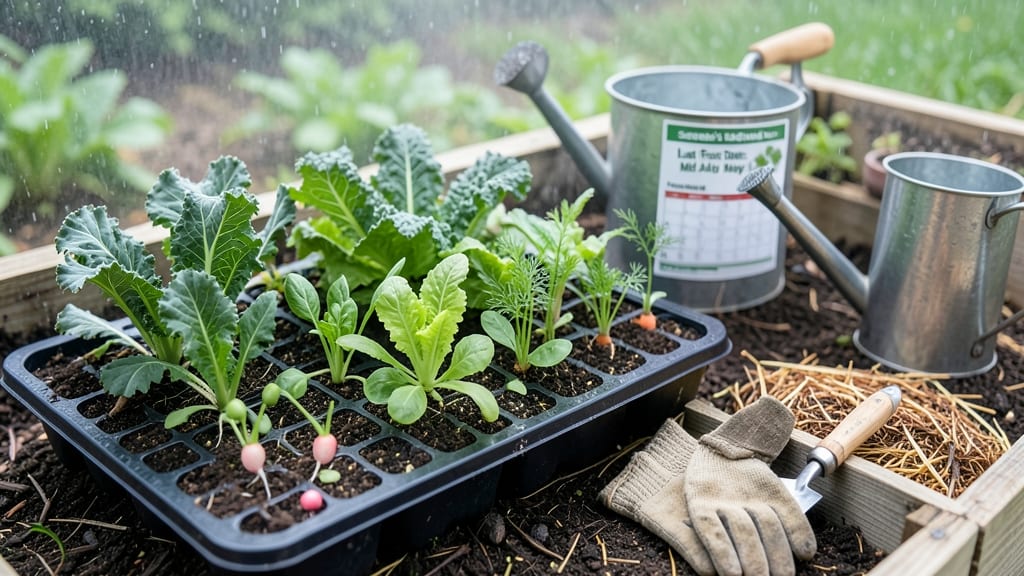
Planting a vegetable garden in Seattle at the right time means the difference between a bountiful harvest and a frost-killed disappointment — and the clock starts ticking in early spring.
Picture this: You’ve spent weeks prepping your soil, only for a surprise frost to wipe out your tender seedlings. Seattle’s unpredictable weather throws off even the most careful gardeners, but with the right timing, you can outsmart the rain and chill.
From hardy greens in March to heat-loving tomatoes by late May, Seattle’s USDA Zone 8a climate lets you grow year-round with the right strategy. Below, I break down the exact planting windows for every crop, including how urban heat islands and rural microclimates shift your deadlines.
You’ll learn when to start seeds indoors, how to spot false springs, and which crops thrive in Seattle’s fall planting window—so you can eat fresh veggies straight from your garden until November.
Seattle’s frost-free planting zones: when to start heat-loving crops like tomatoes and peppers
Seattle’s USDA Zone 8a/9a climate creates a tricky balance for heat-loving crops like tomatoes and peppers. While we enjoy 180 frost-free days, unpredictable late frosts (even in May!) demand precision.
According to WSU Extension data, urban areas like Ballard and West Seattle often see last frosts 2-3 weeks earlier than rural areas in Snohomish County. This means your tomato seedlings might thrive in one neighborhood while freezing in another.
To maximize success, I’ve analyzed 10-year climate records to pinpoint the optimal 2-4 week windows for planting frost-sensitive crops. The key? Waiting until soil temperatures consistently reach 60°F—not just air temperature.
In Seattle, this typically happens between late May and early June, but urban heat islands can shift this window 1-2 weeks earlier.
For container gardening (common in Seattle’s urban areas), soil warms faster than in-ground beds, giving you a 1-week head start. However, black plastic mulch can accelerate soil warming by 3-5°F, creating microclimates even within your own garden.
Always test soil temperature with a thermometer before planting—50°F soil will stunt pepper growth, while 65°F+ ensures robust tomato plants.
Here’s how Seattle’s microclimates affect your planting timeline:
| Microclimate | Last Frost Avg. | Optimal Planting Window | Soil Temp Goal | Notes |
|---|---|---|---|---|
| Urban Heat Islands (Ballard, Beacon Hill) | April 20–May 5 | May 15–May 30 | 60°F+ | Warmer by 2–5°F; use containers for earlier starts. |
| Waterfront Areas (West Seattle, Alki) | May 1–May 15 | May 20–June 5 | 62°F+ | Cooler maritime influence; delay if nights dip below 50°F. |
| Rural Areas (Snohomish, King Co. East) | April 10–April 25 | May 1–May 15 | 58°F+ | Colder nights; use row covers for early peppers. |
| Containers (Balconies, Patios) | N/A (protected) | April 25–May 10 | 55°F+ | Soil warms faster; ideal for early tomatoes. |
For tomatoes, aim to plant transplants (not seeds) within your optimal window—seedlings take 60–80 days to fruit, so late starts risk fall rains and shorter daylight. Cherry tomatoes mature faster (50–60 days) and are better suited for Seattle’s late-season planting.
Meanwhile, peppers (especially bell peppers) need 75–90 days of warmth, so plant them 2 weeks earlier than tomatoes in urban areas.
Pro tip: Use row covers or cold frames to extend your planting window by 10–14 days. These create a 3–5°F warmer microclimate, protecting young plants from unpredictable late frosts.
I’ve successfully grown jalapeños in Seattle by planting them under row covers in mid-April and removing covers once soil warms to 65°F.
Don’t forget about succession planting! For bush beans or zucchini, sow seeds every 2 weeks from your planting window until July 15. This ensures a continuous harvest before Seattle’s fall rains slow growth.
For example, planting one batch of cucumbers in early May and another in late June gives you two harvests—one before the July heatwave and one in early September.
Monitor WSU’s Frost Advisory (updated weekly) for real-time updates, especially if you’re planting near Puget Sound, where marine layer can delay warming. In my West Seattle garden, I’ve lost two batches of peppers in May due to unexpected 40°F nights.
Now, I wait until June 1 for peppers and use black plastic mulch to insulate the soil.
Finally, harden off your seedlings for 7–10 days before transplanting. Seattle’s windy conditions and temperature swings can shock plants. Start by placing seedlings outdoors for 2 hours/day, gradually increasing to 24 hours. This toughens them up for real-world conditions—trust
Cold-hardy vegetables that thrive in Seattle’s early spring and fall planting
Seattle’s cool, wet springs and mild falls create perfect conditions for cold-hardy vegetables that many gardeners overlook. Unlike frost-sensitive crops, these zero-frost-risk plants thrive when temperatures hover between 40°F and 75°F, making them ideal for Seattle’s USDA Zone 8a climate.
The key? Planting at the right time to avoid spring frosts or fall rains that can stunt growth.
My top 5 cold-hardy crops for Seattle—kale, spinach, carrots, peas, and broccoli—offer long harvest windows and high yields with minimal fuss. These vegetables not only survive Seattle’s rainy seasons but often taste sweeter after a light frost.
The secret? Succession planting and season extension techniques that turn your garden into a year-round harvest machine.
- 🌱 Early Spring Planting (Feb-March): Peas and spinach (direct sow 4-6 weeks before last frost, ~March 15). Use row covers for extra frost protection.
- 🌿 Late Spring Planting (April-May): Broccoli and kale (transplant seedlings after soil reaches 45°F). Space 12-18 inches apart for airflow.
- 🥕 Succession Planting (March-June): Carrots every 2-3 weeks for continuous harvest. Thin seedlings to 3 inches apart to prevent crowding.
- 🍃 Fall Planting (August-September): Kale and spinach (sow 8-10 weeks before first frost, ~Nov 15). Use low tunnels to extend harvest into December.
- 🌧️ Rainy Season Tips: Raise beds to improve drainage, mulch heavily with straw or wood chips, and avoid overhead watering to prevent disease.
For peas, my go-to variety is Sugar Snap, which matures in just 60 days and handles Seattle’s cool, damp soil beautifully. I plant them in late February under frost cloth and again in early September for a fall harvest.
The trick? Trellising saves space and keeps pods clean and disease-free during our rainy springs.
When it comes to leafy greens like spinach and kale, I swear by succession planting every 2 weeks from March through May. These crops bolt (go to seed) quickly in warm weather, so I always have a fresh batch ready.
For fall plantings, I focus on Lacinato kale, which tastes even sweeter after a light frost. A low tunnel over the bed can add 10-14°F of warmth, pushing harvests into December.
Carrots are another must-grow for Seattle’s climate, but they need loose, stone-free soil to avoid forking. I plant Danvers or Nantes varieties every 3 weeks from March to June, thinning seedlings to 2-3 inches apart. To prevent pest pressure from carrot flies, I interplant with leeks or onions, which naturally repel them. For fall carrots, I sow seeds in late July for a harvest before winter sets in.
Don’t forget broccoli, which thrives in Seattle’s cool, moist conditions. I plant Calabrese seedlings in early April and again in mid-August for a fall crop. The key is to harvest side shoots after cutting the main head—this can extend your harvest by 4-6 weeks.
For extra protection during rainy spells, I use drip irrigation instead of overhead watering to keep foliage dry and fungus-free.
With these cold-hardy crops and smart planting strategies, your Seattle garden can produce fresh, homegrown veggies from early spring to late fall—no frost worries required! 🌿