
Container Gardens
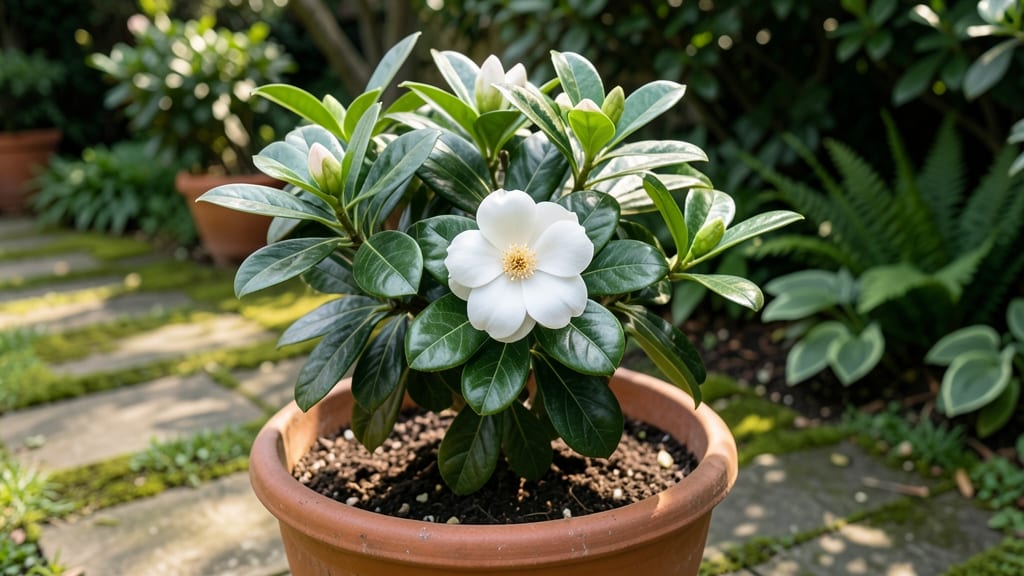
Growing gardenias in the right zone ensures fragrant blooms year after year 🌸—and the ideal gardenia growing zone is zones 8 through 11.
Struggling to grow fragrant gardenias? The secret isn’t just soil or sunlight—it’s knowing the exact planting windows for your USDA zone. Get it wrong, and your gardenias will fight to survive.
These tropical beauties thrive in warm climates but can be coaxed into cooler zones with the right strategies. Whether you’re in Zone 9b or pushing the limits in Zone 6, timing is everything.
Below, I break down the best months to plant by zone, how to protect them from frost, and even how to grow them in containers if your climate is too harsh. Let’s get those gardenias blooming!
USDA growing zones for gardenias: where they thrive (and where they struggle)
Gardenias (🌸) are tropical beauties that thrive in warm climates, but their success hinges on understanding USDA growing zones. These fragrant shrubs prefer zones 7-11, where they can bask in humidity and warmth year-round.
Outside this range, they face frost sensitivity that can kill leaves, stems, or even the entire plant if not managed properly.
In zones 7-9, gardenias can grow outdoors year-round with minimal protection. However, gardeners in zones 10-11 must watch for heat stress, while those in zones 6a/6b often need container growing or winter protection. Microclimates—like south-facing walls or sheltered spots—can push gardenias into slightly colder zones with extra care.
Key factors like frost-free days (300+ in ideal zones) and humidity levels (60%+) determine success. Gardenias in zone 6a may survive only as container plants, while those in zone 9b can flourish as perennials. Let’s break down the specifics to help you grow gardenias where you live.
| USDA Zone | Frost Risk | Growing Strategy | Microclimate Tips |
|---|---|---|---|
| Zones 10-11 | None | Year-round outdoor | Shade from afternoon sun; mulch to retain moisture |
| Zones 9a-9b | Light frost (rare) | Outdoor perennial with winter mulch | Plant near walls for heat retention |
| Zones 8a-8b | Moderate frost | Container or protected in-ground | Use frost blankets in winter |
| Zones 7a-7b | High frost risk | Container with winter storage | Move to garage or greenhouse below 32°F |
| Zones 6a-6b | Severe frost | Container only; indoor overwintering | Bright indoor light; prune aggressively |
In zones 10-11, gardenias grow year-round outdoors with minimal care, but they still need partial shade to avoid leaf scorch. The humidity in these zones mimics their tropical origins, making them low-maintenance. However, heatwaves above 90°F can stress plants, so afternoon shade becomes critical.
Gardeners in zones 9a-9b face occasional frost, but gardenias can survive with mulching and microclimate protection. A south-facing wall or patio can add 5-10°F warmth, extending their growing season. In these zones, winter mulch (4-6 inches of straw or leaves) insulates roots and prevents freeze damage.
For zones 8a-8b, the challenge shifts to frost survival. Gardenias here often need container growing so they can be moved indoors or under cover when temperatures drop below 32°F.
A frost blanket or burlap wrap can protect leaves, but roots still risk damage if left in cold soil.
In zones 7a-7b, gardenias struggle as perennials but thrive in containers. Overwintering indoors (near a bright window) keeps them alive, but they’ll need pruning to control size. Hybrid varieties like 'Kleim’s Hardy' tolerate slightly cooler temps, making them better choices for marginal zones.
Gardeners in zones 6a-6b must treat gardenias as tender perennials, bringing them indoors before the first frost. A greenhouse or sunroom provides the humidity and warmth they crave. Without this care, gardenias will drop leaves and die back, often beyond recovery.
Microclimates play a huge role in pushing gardenias into colder zones. A south-facing wall can add warmth, while mulch and windbreaks reduce temperature swings. Even in zone 6b, a sheltered spot might let you grow gardenias in containers with extra winter care.
If you’re in a marginal zone, start with dwarf varieties like 'Radicans' (2-3 ft tall) for easier container growing. These compact plants handle transplanting stress
Exact planting timelines by USDA zone: when to plant for maximum blooms
Timing is everything when planting gardenias—especially since they’re frost-sensitive and need warm soil to establish roots. In USDA Zones 7-11, your planting window shifts dramatically, from late winter in warm climates to early spring in cooler areas.
Miss the mark, and your gardenias may struggle to bloom or even survive. Let’s break down the exact months for each zone, including adjustments for urban heat islands and rural microclimates.
For Zones 9-11, where frost is rare, gardenias thrive when planted in late winter (February-March). This gives roots time to establish before summer’s heat. In Zone 8, wait until April to avoid late-spring frosts, while Zone 7 gardeners should plant in May after the last frost date.
Urban areas may need 2-4 weeks earlier due to heat retention, while rural spots with cooler nights can delay planting by a week.
🌱 Pro Tip: Always check your local last-frost date (use the National Weather Service or Old Farmer’s Almanac) and add 2-3 weeks as a buffer. For example, if your last frost is March 15, plant gardenias by April 1 in Zone 7 to avoid cold snaps.
Container gardeners have flexibility but must act faster. Potted gardenias can go into temporary shade if night temps drop below 50°F, but roots still need warmth. In Zones 7-8, use black plastic mulch or a heat mat to warm soil before planting.
For Zones 9-11, focus on shade cloth during summer to prevent heat stress.
After planting, water deeply and mulch with 2-3 inches of pine bark to retain moisture. In Zone 11, reduce watering in summer to prevent root rot, while Zone 7 gardeners should water every 2-3 days until roots establish (usually 6-8 weeks).
Adjust for rainfall patterns—urban areas may need drip irrigation due to heat, while rural spots can rely on natural rainfall.
Heatwaves can shock gardenias, even in ideal zones. If temps hit 95°F+, provide afternoon shade and increase watering to daily. Prune lightly in late summer to encourage new growth before fall blooming season.
In Zones 9-11, gardenias may bloom year-round with proper care, while Zones 7-8 see peak blooms in late spring and fall.