
Orchid Care
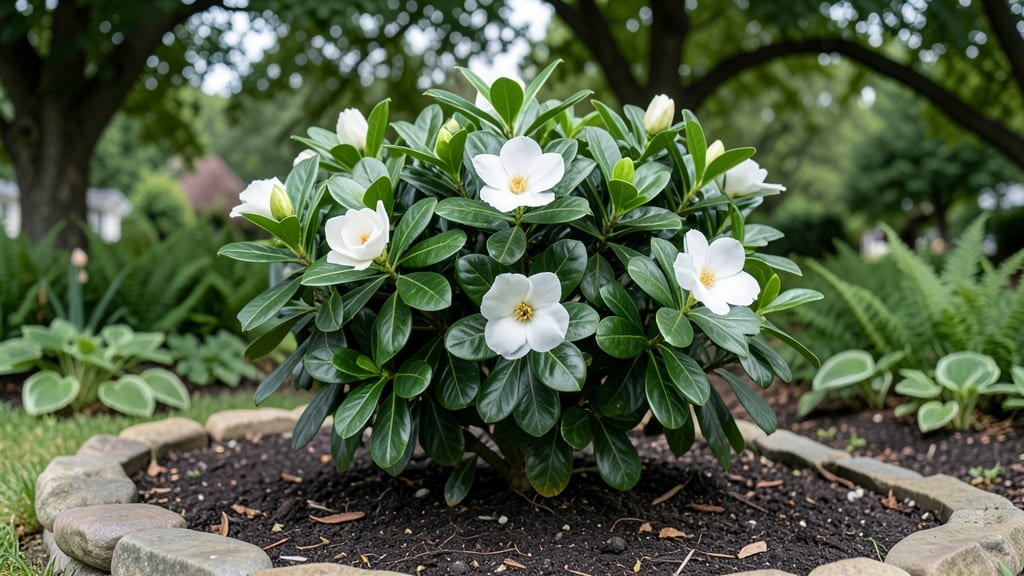
Whether gardenias are perennials or annuals depends on your climate: they grow as hardy perennials in USDA Zones 8-11, returning year after year, but must be treated as tender perennials or annuals in colder regions (Zones 7 or below), where they need winter protection or replanting each spring.
Gardenias in warmer climates develop woody stems that persist through winter, allowing them to regrow each spring naturally. 🌿 The key difference in colder areas is their frost sensitivity—temperatures below 20°F can kill the plant to the ground, but with proper mulching or container overwintering, you can often coax them back.
I've seen gardenias in Zone 7 survive winters when planted near south-facing walls or covered with thick mulch, proving their resilience with the right care.
What many gardeners overlook is how microclimates affect hardiness. A sheltered spot in Zone 7 might protect gardenias from harsh freezes, while an exposed area in Zone 9 could stress them. The plant's ability to rebound depends on whether the roots survive—even if the above-ground growth dies back.
💡 In This Article
- Gardenia Growth Habits Across USDA Hardiness Zones
- Winter Care for Gardenias in Cold Climates
Gardenia growth habits across USDA hardiness zones
The fundamental difference between gardenias acting as perennials versus annuals comes down to their woody stem development and dormancy patterns. In USDA Zones 8-11, gardenias develop thick, woody stems that persist through winter, allowing the plant to regenerate leaves each spring from these protected structures.
This woody growth acts like a biological hard drive—storing nutrients and energy to fuel new foliage when temperatures rise above 50°F. 🌱 The plant naturally enters a semi-dormant phase during cooler months, conserving energy while remaining alive underground.
In contrast, gardenias in Zones 7 or colder lack this woody infrastructure to protect them. Their stems are more herbaceous, similar to annuals, and frost below 20°F triggers complete dieback.
What distinguishes them from true annuals is their root system—gardenias can regrow from roots if protected, but without woody stems, they rely entirely on external care to survive winter.
This is why they're classified as tender perennials in marginal zones: they have perennial tendencies but lack the hardiness to persist without intervention.
The transition between these behaviors occurs in Zone 7, where gardenias exist in a precarious balance. Here, microclimates become critical—south-facing walls, heat islands from pavement, or thick mulch layers can raise soil temperatures by 5-10°F, creating pockets where gardenias might survive winters.
I've observed gardenias in Zone 7a (average minimum 0°F) thriving when planted against brick walls, where the masonry radiates heat back to the roots during cold snaps. 🌡️ Without these protections, gardenias behave more like annuals, completing their life cycle in a single season.
Another key factor is the growth rate—gardenias in warm zones establish robust root systems over years, while those in cold zones struggle to develop sufficient reserves before winter.
This explains why container-grown gardenias often fare better in cold climates: their roots can be moved to protected environments, while in-ground plants face greater exposure risks. The plant's natural growth habit of slow, steady expansion works against it in colder regions where winter arrives abruptly.
What most gardeners don't realize is how leaf drop timing differs by zone. In Zones 8-11, gardenias may retain some leaves year-round in mild winters, while those in Zones 6-7 drop all foliage by late fall as a survival mechanism.
This leaf loss isn't death—it's a strategic adaptation to conserve energy, similar to how deciduous trees prepare for winter. The challenge in colder climates is preventing this natural process from becoming permanent due to frost damage.
Consider these critical temperature thresholds for gardenia survival:
- Zone 8-11: Survives -10°F to 10°F with no protection
- Zone 7: Needs protection below 20°F (roots survive 15°F)
- Zone 6 or below: Typically dies back completely without intervention