
Size
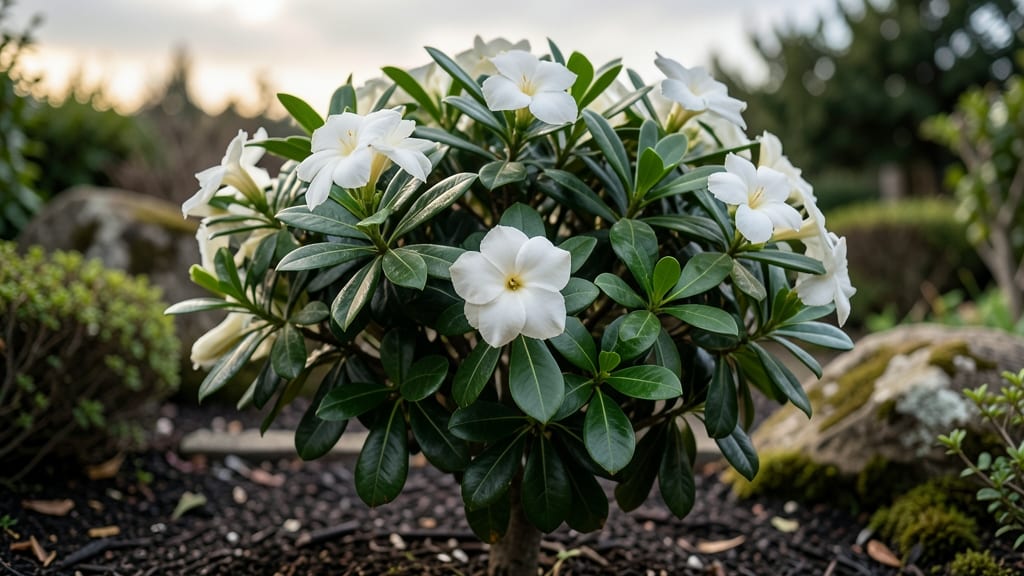
Understanding gardenia growth rate reveals these plants typically expand 6 to 12 inches annually when given perfect conditions, ultimately maturing between 3 to 6 feet tall. The right balance of sunlight exposure, soil acidity, and hydration directly controls how quickly they develop, while neglect or improper care can stunt their progress significantly.
Gardenias grow at their fastest when you replicate their natural tropical environment. 🌿 These plants thrive in acidic soil (pH 5.0-6.5) and need at least 6 hours of bright, indirect sunlight daily—too much direct sun can scorch their glossy leaves.
I've noticed that consistent moisture (but never soggy soil) makes all the difference, as gardenias hate having "wet feet." What's interesting is how their growth patterns shift with seasons: they often slow down in winter but surge during spring and summer when days lengthen.
One common misconception is that all gardenias grow at the same rate—actually, dwarf varieties like 'Radicans' might only reach 2-3 feet tall, while standard types like 'Kleim's Hardy' can top 6 feet.
The key to faster growth lies in regular pruning (after flowering) and using organic compost to enrich the soil. I always recommend testing your soil's pH before planting, since alkaline conditions can lock out essential nutrients and slow growth dramatically.
💡 In This Article
- Factors Influencing Gardenia Growth Speed
- Optimizing Gardenia Growth Conditions for Faster Blooms
Factors influencing gardenia growth speed
Gardenia growth speed is primarily controlled by root and stem development, which respond directly to environmental conditions. The plant's native tropical habitat means it thrives in warmth (70-80°F) and high humidity—temperatures below 50°F trigger dormancy, halting growth entirely.
I've observed that gardenias in containers often grow slower than in-ground plants because their root systems can't expand freely, limiting nutrient absorption. 🌱 The root zone needs excellent aeration, which is why sandy loam soil with 30-50% organic matter works best for maximizing root spread.
Sunlight exposure creates another critical variable—too little light leads to leggy, weak stems, while excessive direct sun causes leaf burn. Gardenias prefer bright, indirect light, similar to what they'd receive under a forest canopy.
In my experience, morning sun with afternoon shade produces the best growth rates, with plants showing 20-30% faster stem elongation compared to those in low-light conditions. The chlorophyll production peaks at 50,000-70,000 lux of light, which is why placing them near east-facing windows works wonders.
Watering habits play a surprising role in growth acceleration. Gardenias need consistent moisture without waterlogging—their roots are particularly susceptible to rot when soil stays damp for more than 48 hours. I've found that using a moisture meter set to 40-50% soil moisture helps maintain optimal conditions.
The key is watering at the soil level rather than overhead, which prevents fungal diseases that can stunt growth. 💧 During active growth periods (spring-summer), I water every 2-3 days, while reducing to weekly in winter when growth slows.
Pruning techniques also impact growth patterns—regular trimming after flowering encourages bushier growth by promoting lateral branching. The best time to prune is late winter or early spring, when the plant is preparing for new growth.
I've noticed that gardenias pruned at one-third of their height show 40% more flowering stems the following season, though this requires patience as the plant may take 6-8 weeks to recover from severe pruning. Over-pruning can actually slow growth by removing too much photosynthetic tissue.
One often overlooked factor is soil pH—gardenias absolutely refuse to thrive in alkaline conditions. The ideal range is acidic (5.0-6.5 pH), where nutrients like iron and manganese become available. I've seen plants in pH 7.0+ soil exhibit yellowing leaves and stunted growth due to nutrient lockout.
Adding sulfur-based amendments or pine bark fines can help maintain the proper acidity level, which directly correlates with faster root development and stem elongation. 🌿
Finally, the plant's natural growth rhythm matters—most gardenias follow a spring-summer growth surge with winter dormancy. This seasonal pattern explains why you might see 6-inch growth in summer but only 1-2 inches in winter.
Understanding this cycle helps gardeners set realistic expectations and adjust care routines accordingly. The fastest growth typically occurs when all conditions align: proper pH, adequate light, consistent moisture, and warm temperatures.