
How To
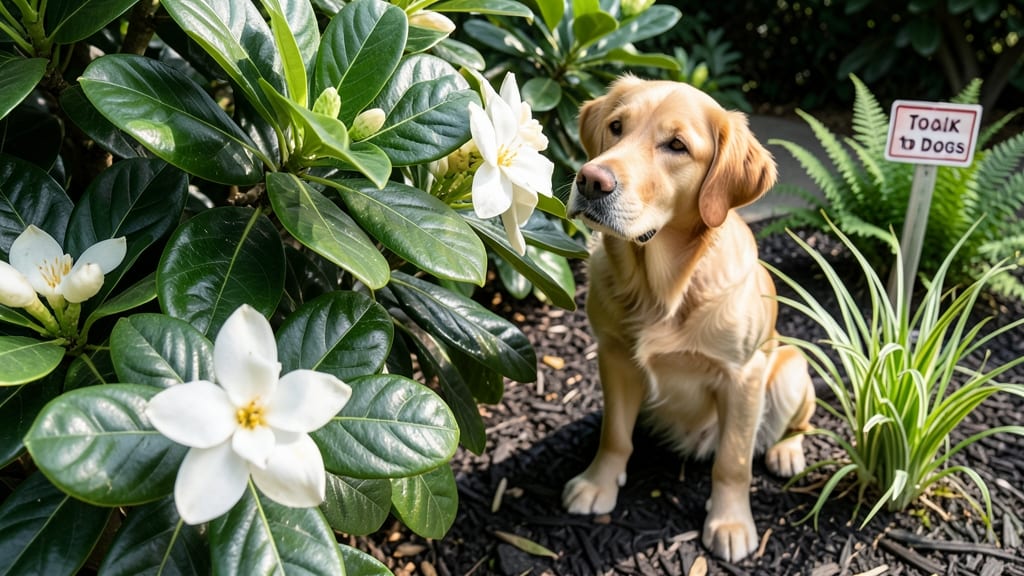
Gardenias are toxic to dogs because their leaves and flowers contain grayanotoxins, which trigger vomiting, weakness, and even heart rhythm disturbances if chewed or swallowed. Watch for symptoms like drooling or lethargy within 24 hours and contact a vet immediately.
These toxic compounds disrupt your dog's nervous and cardiovascular systems, making even small amounts dangerous. 🐕 Unlike cats, dogs are particularly sensitive to grayanotoxins because their digestive systems absorb them more efficiently.
The good news? Gardenias aren't highly palatable, so most dogs avoid them—but curious pups or those with access to garden beds may still risk exposure.
If you suspect your dog has ingested gardenia parts, don't wait for symptoms to appear. 💛 Call your vet or a pet poison hotline right away, as early intervention can prevent serious complications.
Always supervise your dog around flowering plants and consider replacing gardenias with safer options like sunflowers or marigolds for your yard.
💡 In This Article
- Gardenia Toxicity in Dogs: How Grayanotoxins Affect Pets
- Safe Garden Alternatives for Dog-Friendly Landscaping
Gardenia toxicity in dogs: how grayanotoxins affect pets
Gardenia toxicity in dogs stems from grayanotoxins, a group of naturally occurring neurotoxins found in every part of the plant—especially the leaves and flowers.
These compounds work by disrupting the sodium channels in nerve and muscle cells, causing uncontrolled nerve signals that lead to muscle tremors, weakness, and even cardiac arrhythmias. 🔥 Unlike many plant toxins that primarily target the digestive system, grayanotoxins directly impact the nervous and cardiovascular systems, making them particularly dangerous for dogs.
The concentration of grayanotoxins varies by plant part, with fresh leaves containing about 0.05-0.1% dry weight of these toxins, while flowers have slightly lower levels.
A typical toxic dose for dogs starts at roughly 0.5-1 gram per kilogram of body weight—meaning a 20-pound dog could be at risk after ingesting just 5-10 leaves.
The toxins are absorbed quickly through the digestive tract, with symptoms often appearing within 6-24 hours of ingestion, depending on the amount consumed.
Dogs are more vulnerable than cats or other pets because their digestive systems absorb grayanotoxins more efficiently.
The compounds bind to sodium channels in the heart and brain, causing hyperexcitability that manifests as drooling, vomiting, diarrhea, and even seizures in severe cases. 💛 The cardiovascular effects can include bradycardia (slow heart rate) or tachycardia (rapid heart rate), which is why immediate veterinary care is critical—especially if your dog shows signs of weakness, collapse, or difficulty breathing.
What makes gardenias particularly insidious is that their sweet scent and white blooms can attract curious dogs, while the leaves contain a bitter compound that might encourage nibbling. Unlike highly toxic plants (e.g., lilies), gardenias don’t have an obvious "off" taste, so dogs may not immediately reject them.
This makes prevention key—especially for breeds like Labrador Retrievers or Beagles, known for their exploratory eating habits.
If you suspect your dog has ingested gardenia parts, monitor for early signs like excessive drooling, vomiting, or lethargy.
Unlike some plant poisonings, grayanotoxin effects can escalate quickly, so don’t wait for severe symptoms. 🌟 A vet may induce vomiting (if ingestion was recent) or administer activated charcoal to bind the toxins. In advanced cases, intravenous fluids and heart monitoring may be necessary to stabilize your pet.
For pet owners with gardenias in their yards, consider these precautions: trim plants regularly to keep them out of reach, use physical barriers (like fencing), and train your dog with commands like "leave it" to discourage chewing.
If you love gardenias but worry about toxicity, opt for artificial gardenias or non-toxic alternatives like roses (non-hip rose varieties) or sunflowers, which are safe for dogs and add vibrant color to your garden.