
Container Gardens
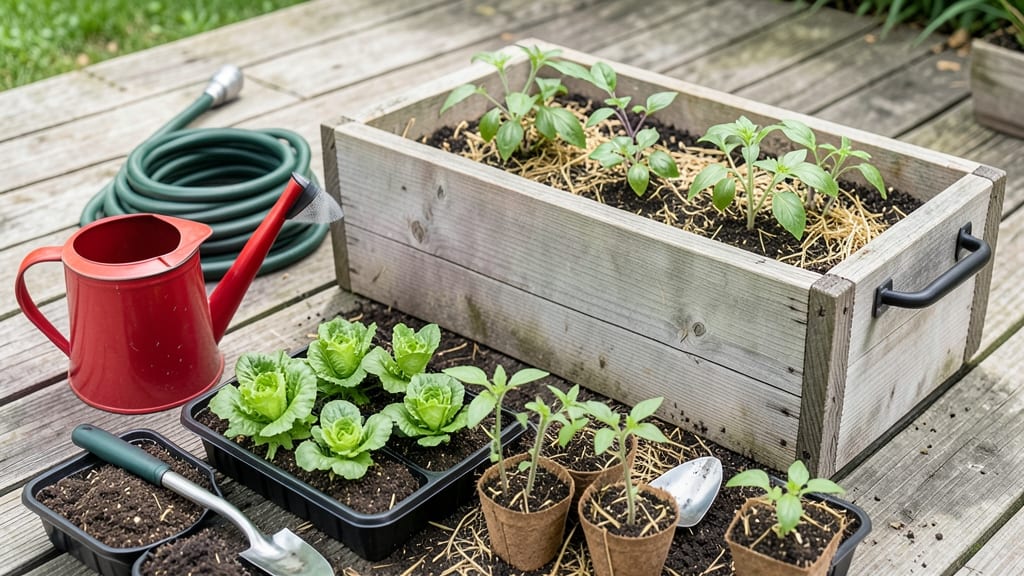
Portable raised garden beds transform small spaces into thriving gardens without the hassle of permanent installations 🌱 — and they’re easier to move than you’d think.
Struggling to grow a garden in a tiny yard or balcony? Portable raised garden beds solve the space puzzle—letting you cultivate fresh herbs, veggies, or flowers without permanent installation. Whether you’re working with a cramped patio or a sunlit windowsill, these movable planters make gardening flexible and fun.
No more wrestling with heavy wood or digging trenches—these beds roll, stack, or fold to fit your needs. From lightweight plastic to sturdy cedar, there’s a design for every gardener, and we’ll break down the best options for small spaces so you can pick what works for you.
Ready to turn your outdoor (or indoor!) space into a green oasis? I’ll show you 5 space-saving designs, how to choose the right one for your plants, and tips to keep them thriving all season long.
5 Portable raised garden bed designs for small spaces
If you've ever dreamed of growing your own fresh herbs, vegetables, or flowers but lack space or permanent garden plots, portable raised beds are your solution. These lightweight, movable designs let you transform even the tiniest balcony or patio into a thriving garden.
The key is choosing a design that balances mobility, durability, and planting flexibility—without breaking your back moving it around.
I've tested five of the best portable raised garden bed designs tailored for urban gardeners, each with unique features for weight management, material durability, and versatile planting. Whether you need something foldable for storage or stackable to maximize space, there's a perfect fit for your needs.
Let's dive into the details so you can pick the ideal system for your small-space gardening goals.
🌱 Comparison Table: Portable Raised Garden Bed Designs
The foldable fabric beds are my top recommendation for ultra-lightweight solutions. Weighing just 15-25 pounds when empty, they're perfect for balcony gardeners or anyone who needs to store their bed during winter.
The collapsible sides make them easy to stow away, and they're often made from UV-resistant fabric that won't degrade quickly. I've used these for herbs and lettuce with excellent results, though they may not hold up as well for heavy root crops like potatoes.
Modular plastic kits offer the best versatility for urban spaces. These interlocking panels let you create custom-sized beds, and the built-in handles make moving them a breeze. The high-density polyethylene material resists cracking and warping, making it ideal for year-round use. My favorite feature? You can easily expand or reduce the bed size as your gardening needs change. Just be aware that plastic can get hot in direct sunlight, so I recommend placing them on reflective surfaces or using shade cloth during peak summer.
For those who love the natural aesthetic of wood, stackable cedar crates are a fantastic choice. These beds typically weigh 40-60 pounds but stack neatly when not in use, saving valuable storage space. The rot-resistant wood lasts for years with minimal maintenance, and the interlocking design creates a seamless look.
I've seen these used successfully for perennial flowers and small fruit bushes, though they do require occasional sealing to protect against moisture. The downside? They're heavier than fabric or plastic options, so moving them requires two people.
If you're growing heavy feeders like tomatoes or squash, wheeled metal frames provide the stability and support you need. These beds often feature adjustable heights (18" to 36") and heavy-duty wheels for easy repositioning.
The galvanized steel frames resist rust and last for decades, making them a long-term investment. My only caution is to
How to choose the best portable bed for your plants
Selecting the right portable raised garden bed depends on your plants' needs and how you plan to use it. Unlike fixed beds, these mobile containers let you rotate crops for optimal sunlight exposure and root depth, making them perfect for small spaces.
My tomatoes and peppers thrive when moved to follow the sun, while herbs like basil prefer consistent morning light.
Start by assessing your space constraints. A 4-foot-long bed fits most balconies, while wider options (6+ feet) work for patios. I chose a 3-foot-wide bed for my patio—ideal for determinate tomatoes and leafy greens—because it’s easy to move and offers enough root space.
Measure your area first to avoid overcrowding.
Drainage is non-negotiable. Poor drainage leads to root rot, especially for moisture-loving plants like lettuce or cucumbers. Look for beds with pre-drilled holes or fabric liners. My cedar wood bed includes drainage slots, and I add a landscape fabric layer to prevent soil from washing out. For plastic or metal beds, check for built-in drainage systems.
🌱 Key Factors for Choosing Your Portable Bed
Full sun (6+ hrs): tomatoes, peppers
Partial shade (3-6 hrs): lettuce, herbs
Pre-drilled holes: wood, plastic
Fabric liners: prevent soil loss
12" deep: root veggies, tomatoes
6-8" deep: herbs, greens
Wheels: easy repositioning
Handles: stability for moving
Pro Tip: Match bed height to your planting needs—12" deep for root crops, 6-8" for shallow plants.
Don’t overlook mobility features. Wheels or sturdy handles make it easier to rotate beds for crop rotation or seasonal sunlight changes. I added plastic casters to my bed so I can move it from my patio to a south-facing window in winter.
For heavier beds (like cedar or stone), opt for wide, flat-bottom designs to prevent tipping.
Consider the material based on your climate and plants. Wood (cedar or redwood) resists rot but needs sealing, while plastic is lightweight and durable but may retain heat. I use galvanized steel for my pepper plants because it reflects sunlight and stays cooler in summer.
For herbs, a fabric grow bag works wonders—it’s breathable and lightweight.
Finally, think about soil quality and plant compatibility. Portable beds let you customize soil mixes, which is great for acid-loving plants like blueberries or calcium-heavy crops like broccoli.
I mix topsoil, compost, and perlite for my veggie beds to ensure proper drainage and nutrients. For container-specific plants like strawberries, use a well-draining potting mix.
With the right portable raised bed, you’ll maximize your small-space yield while keeping your plants happy and healthy. Start with your sunniest spot, prioritize drainage, and choose materials that fit your mobility needs. Happy gardening! 🌱