
Pests
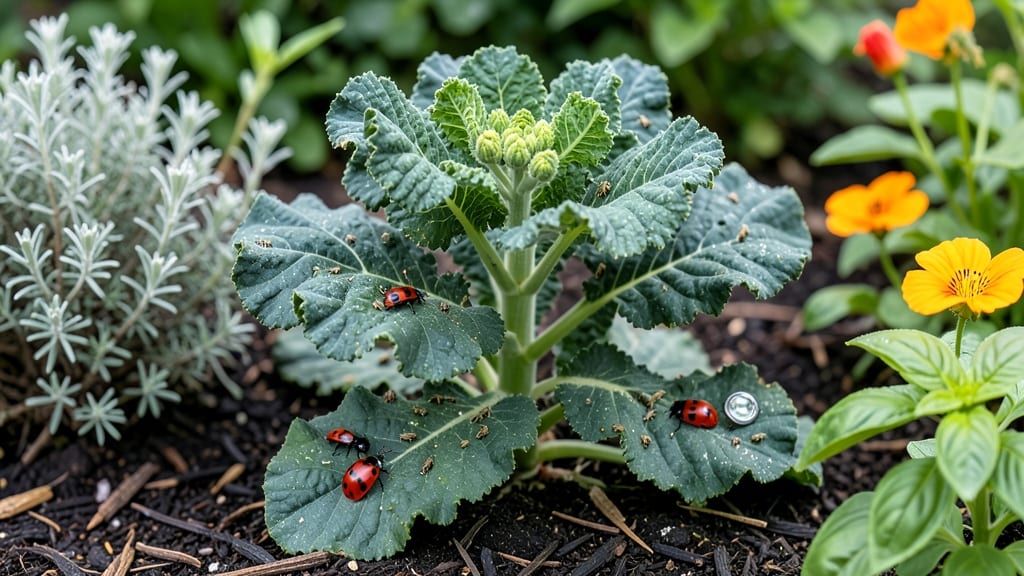
The ladybirds are good for the garden because they devour aphids, mites, and other soft-bodied pests, offering chemical-free pest control that benefits plant health. Their larvae are particularly effective, making them a garden’s most powerful natural defense against common insects.
The ladybirds are good for the garden because they play a crucial role in maintaining garden ecosystems by keeping pest populations in check. 🌿 Their appetite for aphids—often the most destructive garden pests—means fewer damaged leaves and healthier plants.
Unlike chemical pesticides, ladybirds target only soft-bodied insects, leaving beneficial pollinators like bees unharmed. Plus, their presence reduces the need for artificial interventions, creating a more sustainable gardening approach.
What makes them even more valuable is their lifecycle: each stage—from egg to larva to adult—contributes to pest control. Larvae, in particular, are voracious eaters, consuming up to 400 aphids in their short lifespan.
This natural cycle ensures continuous protection throughout the growing season, making ladybirds a gardener’s secret weapon against common nuisances like mealybugs and scale insects.
💡 In This Article
- How Ladybirds Control Garden Pests Naturally
- Encouraging Ladybirds in Your Garden: Tips and Tricks
How ladybirds control garden pests naturally
Ladybirds are nature's pest control specialists, thanks to their highly specialized predatory lifecycle. Each stage—from egg to larva to adult—targets soft-bodied insects like aphids, mites, and mealybugs with surgical precision.
Their larvae, in particular, are powerhouses: a single larva can devour 400 aphids during its 2-week lifespan, while adults consume around 50-75 aphids daily. This efficiency makes them far more targeted than chemical sprays, which often harm beneficial insects like bees and butterflies.
The science behind their effectiveness lies in their feeding habits. Ladybird larvae use specialized mouthparts to pierce aphid bodies and suck out their internal fluids, a process that takes just 3-5 minutes per aphid.
Adults, meanwhile, can consume up to 5,000 aphids in a season, demonstrating their role as ecosystem regulators. Their activity peaks during spring and summer, aligning perfectly with when garden pests are most active, creating a natural balance without human intervention.
What sets ladybirds apart is their selectivity. Unlike broad-spectrum pesticides that kill indiscriminately, ladybirds focus exclusively on pests with soft exoskeletons. This precision preserves the garden's natural biodiversity, preventing secondary pest outbreaks that often follow chemical treatments.
Their presence also reduces plant stress by limiting damage to leaves and stems, which indirectly boosts plant resilience and growth rates.
Seasonal patterns play a crucial role in their effectiveness. In temperate climates, ladybirds overwinter as adults in sheltered locations like leaf litter or bark, emerging in April-May when aphid populations begin to swell.
Their numbers naturally decline in autumn, but this cycle ensures they're available precisely when gardens need them most. This synchronized activity makes them more reliable than many commercial pest control solutions.
Consider this comparison: A single ladybird colony can protect an entire vegetable garden from aphid infestations, whereas chemical sprays often require multiple applications and still leave residues. Their natural approach also prevents the development of pest resistance, a growing problem with synthetic pesticides.
The result? Healthier plants, fewer interventions, and a garden ecosystem that thrives through natural balance.