
Tools
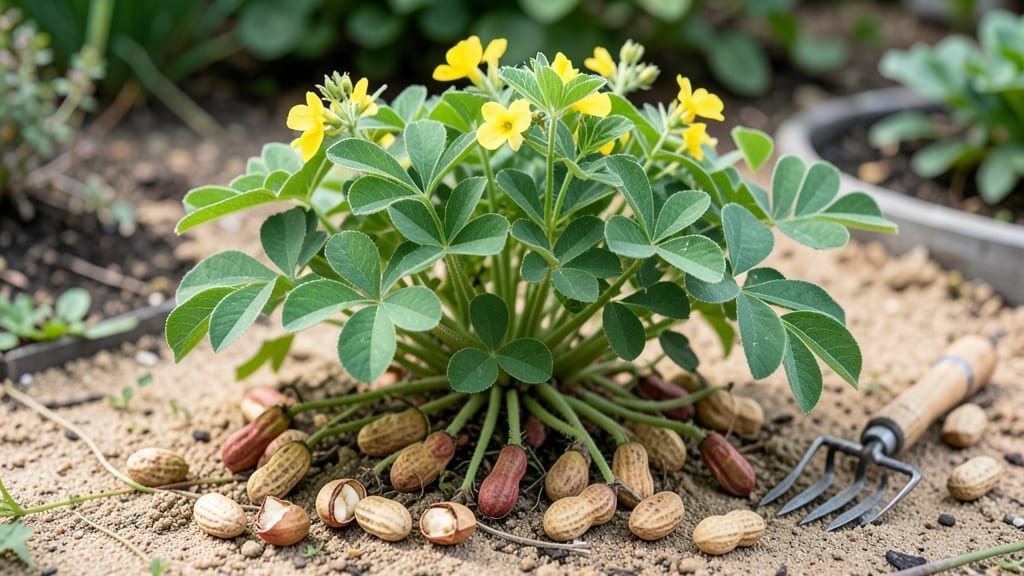
Peanut shells in the garden act as a dual-purpose amendment, serving as a slow-release mulch that enriches soil and deters pests like ants and slugs through their tannin-rich composition and coarse texture. Gardeners should crush them to speed up decomposition.
Peanut shells aren't just waste—they're a powerhouse for your garden's health. 🌱 Their rough texture creates a natural barrier that confuses slugs and deters ants, while their gradual breakdown adds organic matter that improves soil structure over time.
I've seen firsthand how crushed shells prevent erosion in raised beds while keeping moisture levels stable. The key is preparation: whole shells take years to decompose, but crushing them with a hammer or food processor turns them into an instant soil booster.
For best results, spread a 1-inch layer around plants in early spring or after harvesting, or mix them into compost piles for faster nutrient cycling. They also work well as a pathway mulch to keep weeds at bay.
Just avoid overdoing it—too many shells can make the soil too acidic over time, so balance them with lime if needed.
💡 In This Article
- How Peanut Shells Improve Soil and Deter Pests
- Best Ways to Use Peanut Shells in Your Garden
How peanut shells improve soil and deter pests
The real magic of peanut shells lies in their dual functionality as both a soil enhancer and pest repellent. Their slow decomposition—typically taking 1-3 years depending on size—releases organic matter that improves soil structure by increasing porosity and water retention.
Studies show shells can raise soil organic carbon by up to 15% when used as mulch, creating a sponge-like environment that holds 30-50% more moisture than bare soil during dry spells.
What makes them exceptional as mulch is their high lignin content (about 25-30% of their dry weight), which resists rapid breakdown while still providing long-term nutrients. The rough, jagged texture creates microhabitats that encourage beneficial soil microbes, particularly fungi and bacteria that break down organic matter.
This process, called "decomposition priming," accelerates nutrient cycling in the soil ecosystem.
The pest-repelling properties come from two key chemical components: tannins and essential oils. Peanut shells contain 5-8% tannins by weight, which ants and slugs find unpalatable. These compounds create a natural barrier that confuses slugs' slime trails while making the shells physically difficult to cross.
The abrasive texture also damages soft-bodied pests like cutworms. 🌿 What's fascinating is how this works at the chemical level—tannins bind to proteins in pests' digestive systems, causing irritation that deters them from returning.
For maximum effectiveness, crushed shells (reduced to 1/4-inch pieces) work best because they decompose 2-3 times faster while maintaining their pest-deterrent properties. Whole shells are better for creating physical barriers, like around vegetable beds or under fruit trees.
The key is balance—too many shells can make soil too acidic over time, so mix them with lime or compost to maintain a neutral pH.
Consider this comparison: A 1-inch layer of crushed peanut shells provides similar moisture retention to 2 inches of straw mulch, but with the added bonus of pest protection.
The shells' slow release of nutrients also means you won't get the nitrogen spikes associated with fast-decomposing materials like grass clippings, making them ideal for long-term garden health.
One advanced technique is to create "shell mulch rings" around young plants—simply arrange crushed shells in a 6-inch diameter circle around the base. This creates a natural moat that repels crawling pests while gradually enriching the soil.
The visual contrast of the light shells against dark soil also makes it easy to spot weeds early.