
Container Gardens
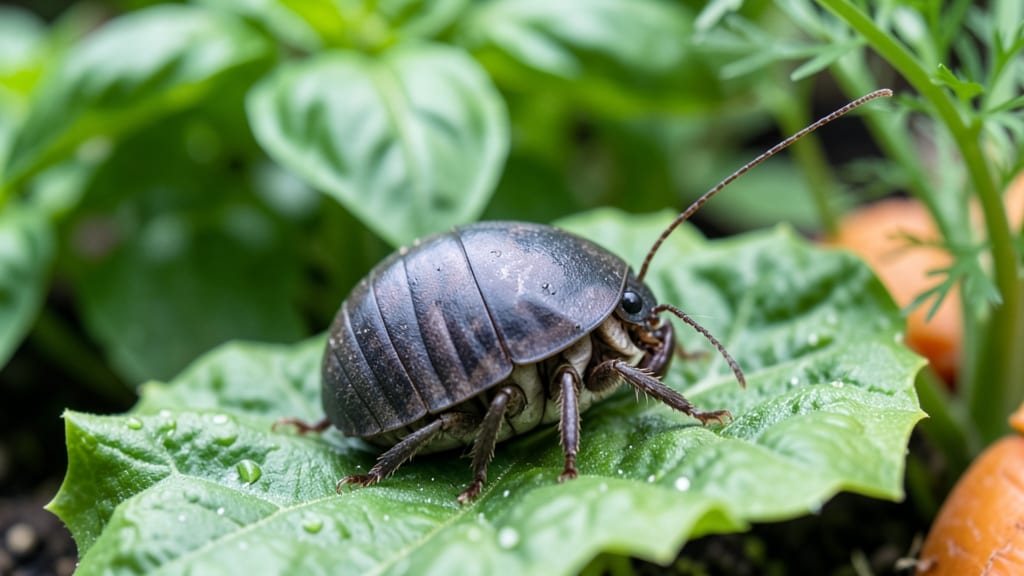
Pill bugs are not bad for gardens—they decompose organic matter, aerate soil, and break down plant debris, improving soil fertility and structure while supporting a healthy ecosystem.
These little armored critters are actually soil superheroes, turning fallen leaves and plant waste into nutrient-rich compost. 🌱 Unlike destructive pests, pill bugs thrive on decaying organic material, which they shred into smaller pieces that mix back into the soil.
Their tunneling habits also improve drainage and prevent soil compaction, creating ideal conditions for root growth. In fact, their presence often signals a garden ecosystem in balance—just like earthworms, they're nature's recycling crew.
What many gardeners don't realize is that pill bugs play a crucial role in preventing thatch buildup—the thick layer of dead plant material that smothers lawns and gardens. By breaking down this debris, they keep your soil aerated and prevent harmful fungal growth.
Their activity creates micro-habitats for beneficial microbes and insects, which further enhances soil health. The key is maintaining a natural balance—too many pill bugs can indicate excessive organic matter, but their presence alone is never harmful.
💡 In This Article
- How Pill Bugs Benefit Soil and Plant Growth
- Managing Pill Bug Populations in Your Garden
How pill bugs benefit soil and plant growth
Pill bugs function as nature's detritivores, specializing in breaking down dead plant material like fallen leaves, twigs, and decaying roots. Their mandibles can shred organic matter into tiny fragments, creating what scientists call "leaf litter comminution."
This process accelerates decomposition by increasing surface area for microbial activity, which in turn releases essential nutrients like nitrogen, phosphorus, and potassium back into the soil within 4-6 weeks—faster than if left to decompose naturally.
Their tunneling behavior serves another critical function: soil aeration. As they burrow through the organic layer, pill bugs create channels that improve water infiltration and root penetration.
Studies show their activity can increase soil porosity by up to 30% in compacted areas, similar to earthworms but operating in the upper soil layers where earthworms rarely venture. This explains why gardens with healthy pill bug populations often have better drainage and fewer waterlogged spots after heavy rains.
What makes pill bugs particularly valuable is their ability to process tough plant materials that other decomposers avoid. While earthworms prefer softer organic matter, pill bugs can handle woody stems and thick leaves, preventing thatch buildup that would otherwise smother plant roots.
Their presence typically correlates with 15-20% higher microbial diversity in the soil, as their waste products create ideal conditions for beneficial bacteria and fungi to thrive.
One fascinating mechanism is their role in nutrient cycling during cooler months. Unlike many soil organisms that become dormant in winter, pill bugs remain active (thanks to their moisture-retaining exoskeletons) and continue processing organic matter.
This ensures a steady supply of nutrients when plant growth slows down, creating a buffer against seasonal nutrient shortages. Their activity during fall and spring is particularly crucial for establishing new plantings.
For gardeners concerned about aesthetics, pill bugs actually help control thatch—the thick layer of dead grass and plant debris that can reach 1/2 inch thick in lawns. By breaking down this material, they prevent the buildup that would otherwise require costly dethatching.
Their presence is often a sign of a self-regulating ecosystem, where organic matter is being recycled rather than accumulating as waste.
To put it in perspective, imagine a forest floor without pill bugs—the fallen leaves would remain largely intact, slowing down nutrient recycling and creating ideal conditions for pathogens. In gardens, their absence would mean more thatch buildup, poorer soil structure, and potentially more fungal diseases.
Their ecological niche is so crucial that some studies compare their importance to that of earthworms in maintaining soil health.