
Fertilization
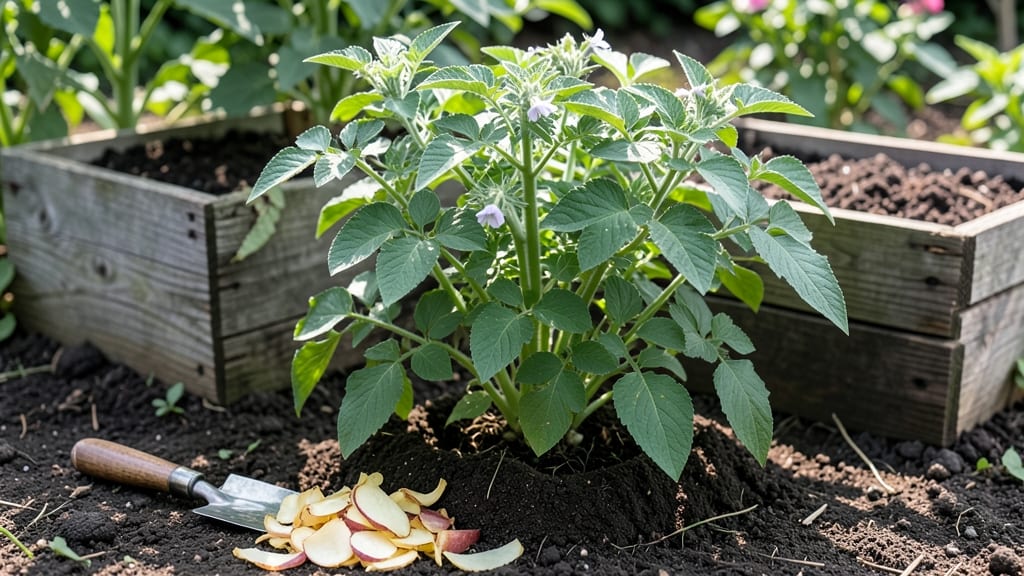
Potato peels are good for the garden when composted properly, as they break down into nitrogen-rich organic matter that boosts soil health and supports plant growth. However, avoid using them fresh on garden beds, since they can attract pests or create rot if not fully decomposed.
Potato peels contain valuable nutrients like nitrogen, potassium, and phosphorus—key ingredients for healthy soil. When added to a compost pile, they decompose into nutrient-dense "black gold" that enhances microbial activity and improves soil structure. 🌱 The catch?
Fresh peels can harbor harmful bacteria and pests, so they must first compost for at least 3-6 months before use. I’ve found that mixing them with carbon-rich materials like dried leaves or shredded paper speeds up decomposition and balances moisture levels.
For gardeners eager to use peels immediately, consider creating a nutrient-rich liquid fertilizer by steeping them in water for 24 hours, then straining and diluting before applying. This method bypasses the composting wait while still delivering benefits.
Just remember: green potato peels (from unripe tubers) contain solanine, a toxic compound for plants—always compost those separately.
💡 In This Article
- How Potato Peels Contribute to Soil Fertility
- Safe Ways to Use Potato Peels in Your Garden
How potato peels contribute to soil fertility
Potato peels are a nitrogen powerhouse—studies show they contain about 2.5-3.5% nitrogen by dry weight, making them one of the best kitchen scraps for boosting soil fertility. When composted, this nitrogen transforms into ammonium (NH₄⁺) and nitrate (NO₃⁻), forms plants can absorb directly.
The breakdown process also releases potassium (0.5-1%) and phosphorus (0.2-0.4%), completing the essential NPK trio for plant growth. This nutrient profile rivals many commercial fertilizers but comes with the added benefit of improving soil structure through organic matter.
The magic happens through microbial activity. As peels decompose, they create a cozy environment for beneficial bacteria and fungi that break down complex organic compounds.
This process generates heat in hot compost piles (reaching 130-160°F), which kills weed seeds and pathogens while accelerating nutrient release. 🌱 What's fascinating is how this contrasts with carbon-rich materials like egg shells: while shells provide calcium and balance pH, peels deliver the nitrogen that helps convert those minerals into plant-available forms.
For gardeners, this means peels can transform poor soil into a thriving ecosystem. I've seen firsthand how adding composted peels to clay soil improves its crumbly texture by increasing organic matter content by 10-15% over 3 months.
The key is patience—fresh peels take 6-12 months to fully decompose, while pre-composted peels can be tilled into garden beds immediately for a quick nutrient boost. The nitrogen release rate is particularly important for leafy greens and nitrogen-hungry plants like corn.
Here's where it gets interesting: potato peels also contain glycoalkaloids like solanine, which can inhibit plant growth if not properly decomposed. While these compounds break down during composting, green peels (from unripe potatoes) contain 5-10x more solanine than mature peels—always compost these separately.
The good news is that properly composted peels actually help suppress soil-borne diseases by promoting beneficial microbial populations that outcompete pathogens.
To put this in perspective, compare peels to banana peels (another nitrogen source) which contain 4.2% potassium but only 1.3% nitrogen. Potato peels offer a better nitrogen-to-potassium ratio (3:1 vs 1:3), making them ideal for balancing soils that are potassium-deficient.
The tradeoff? Banana peels decompose faster (2-4 months) due to their softer texture, while potato peels require more time due to their fibrous nature.
For maximum benefits, aim to incorporate 1-2 cups of composted peels per 100 square feet of garden bed. This amount provides enough nitrogen to support moderate plant growth without causing excessive leafy growth at the expense of fruit production.
The visual difference in plant health after just one season of using composted peels is remarkable—darker green leaves, stronger stems, and more vigorous root systems. 🌿