
Container Gardens
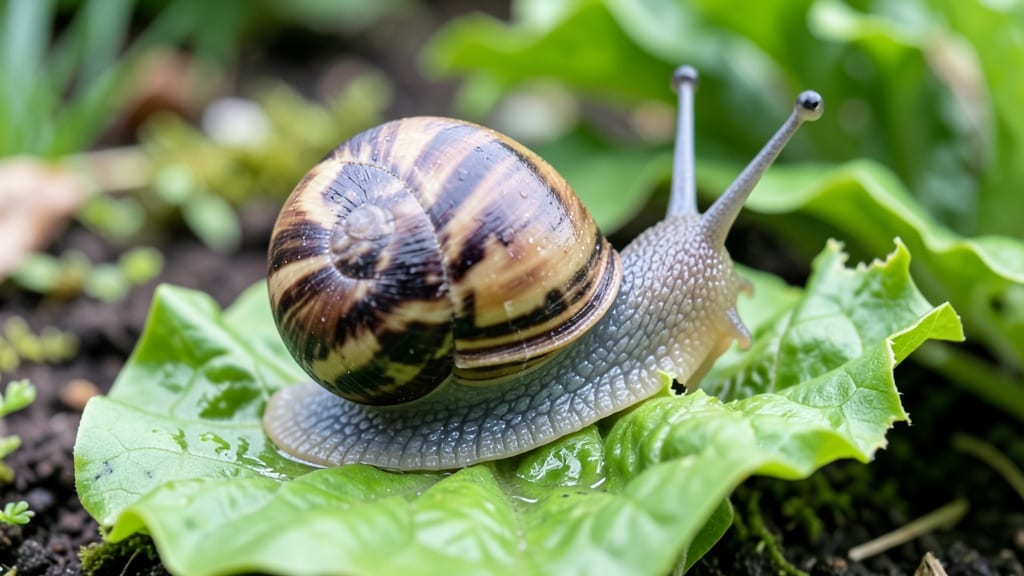
Snails are good for gardens because they aerate soil and decompose organic matter, but their slug relatives often cause more harm than good by feasting on young plants and foliage, making pest management essential.
Snails actually play a helpful role in garden ecosystems by naturally tilling soil as they burrow and breaking down decaying plant material into nutrient-rich compost. 🌱 However, their close relatives—slugs—are the real troublemakers, often stripping gardens bare overnight.
The key is encouraging snails while keeping slug populations in check, which I’ve found works best with copper barriers or diatomaceous earth around vulnerable plants.
What many gardeners don’t realize is that snails thrive in moist, shaded areas—so adjusting irrigation patterns or adding mulch can help control their numbers without chemicals. The trade-off between their soil benefits and potential plant damage makes them a fascinating case study in garden balance.
💡 In This Article
- How Snails Improve Soil Health Naturally
- Balancing Snail Benefits with Garden Pest Control
How snails improve soil health naturally
Snails act as natural soil engineers by creating tiny tunnels as they move through the earth, which improves soil aeration and water drainage. Their burrowing activity can increase soil porosity by up to 20% in well-maintained garden beds, allowing roots to access oxygen and nutrients more efficiently.
This is particularly beneficial for compacted soils where waterlogging or poor root growth often occurs. 🌱
Their feeding habits also contribute to nutrient cycling. Snails primarily consume decaying plant matter, fungi, and algae, breaking down complex organic materials into simpler compounds that enrich the soil. Studies show their slime contains enzymes that accelerate decomposition, releasing nitrogen and phosphorus in forms plants can absorb.
Unlike earthworms, which primarily process deeper soil layers, snails focus on surface litter, creating a complementary ecosystem service.
However, this benefit comes with a critical caveat: snails prefer moist environments, and their activity peaks when soil moisture exceeds 25% by volume. In overly saturated conditions, their tunnels can actually worsen drainage problems rather than improve them.
The ideal scenario is well-drained soil with occasional moisture—think of a forest floor rather than a swampy bog.
Snails also play a role in microbial communities by distributing fungal spores and bacterial colonies through their movement. Their slime creates microhabitats that support beneficial soil microbes, which in turn help break down toxins and suppress harmful pathogens.
This indirect effect makes them valuable allies in organic gardening systems where chemical amendments are avoided.
The most striking contrast comes when comparing snails to their slug relatives. While snails primarily feed on decaying matter, slugs target living plant tissue, creating a direct conflict between soil improvement and plant damage.
This dual role explains why gardeners often see snails as both helpers and pests—it's all about their specific species and behavior patterns.
Consider this real-world example: In a 10-square-foot vegetable garden bed, snails can process approximately 0.5 pounds of organic debris per month, while slugs might consume 2-3 pounds of fresh vegetable leaves in the same period.
The trade-off becomes clear when you realize that while snails are building soil fertility, slugs are actively undermining your harvest.
For gardeners looking to maximize snail benefits, creating designated "snail zones" with leaf litter or compost piles can help channel their activity toward soil improvement rather than plant damage. This strategic approach allows you to harness their ecological services while minimizing conflicts with your crops. 🌿