
Tools
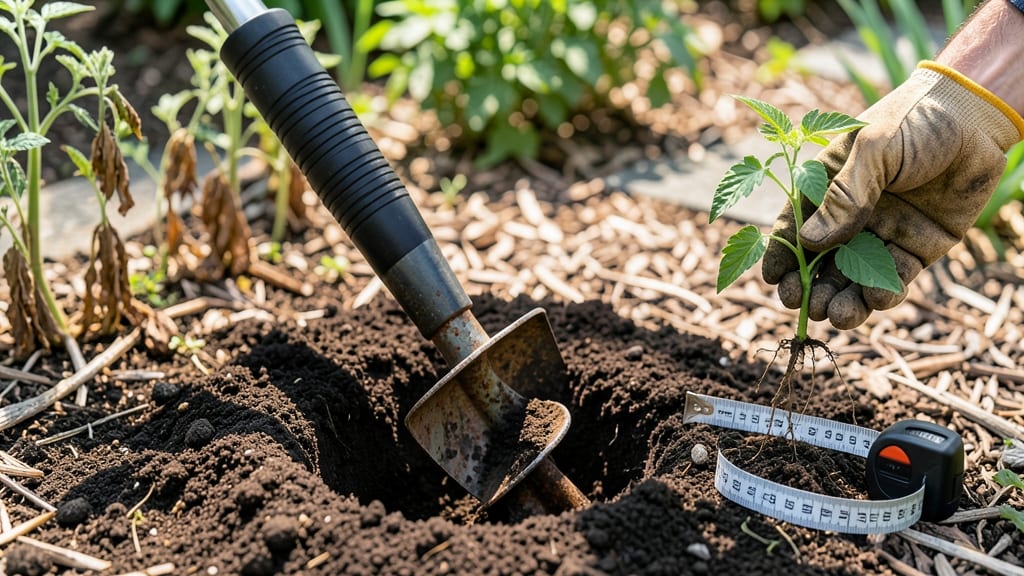
Selecting the best auger for garden tasks requires matching it to your soil conditions, drilling depth requirements, and available power source—manual augers excel for shallow holes, while electric or gas-powered models deliver the power needed for deep planting or irrigation setups.
Your garden's soil type plays a bigger role than most people realize. 🌱 For example, clay-heavy soil demands more torque, so electric augers with variable speed controls become essential.
I've found that gas-powered models shine when tackling large-scale projects like installing underground irrigation systems—they cut through tough roots and compacted earth with ease. The right auger can save you hours of backbreaking work, especially when dealing with rocky or densely packed soil where hand tools simply won't cut it.
Don't overlook the importance of blade design either—spiral augers work best for clean holes, while auger bits with cutting teeth handle root systems more effectively. For most home gardeners, a 16-inch electric auger with a 20-foot extension cord strikes the perfect balance between power and portability.
The key is testing your soil's resistance first—if you can't drive a shovel more than 6 inches without struggling, you'll need serious power behind that auger.
💡 In This Article
- Key Auger Features for Different Soil and Garden Tasks
- Top Auger Models for Home Gardeners and Professionals
Key auger features for different soil and garden tasks
Augers fundamentally differ in their power delivery and blade mechanics. Manual augers rely on human strength, delivering 50-100 foot-pounds of torque—enough for holes up to 12 inches deep in loose soil. Their spiral blades create clean, tapered holes perfect for small plants or post installation.
Electric augers, however, generate 200-500 foot-pounds of torque with variable speed controls, making them ideal for 18-36 inch deep holes in medium-density soil. The key advantage here is consistent pressure—electric models maintain steady force, preventing the blade from getting stuck mid-drill.
Gas-powered augers take it further with 600+ foot-pounds of torque, designed for heavy-duty tasks like 48+ inch deep irrigation trenches or tree planting. Their blade designs often include carbide teeth that chew through roots and compacted clay. The trade-off?
Weight and fuel requirements—these units typically weigh 80-120 pounds and require gasoline or propane, making them less portable than electric options. For rocky soil, look for augers with reverse function—this lets you back out of obstructions without damaging the blade.
Blade design makes a surprising difference in real-world performance. Spiral augers create clean holes but struggle with fibrous roots, while auger bits with cutting teeth handle root systems better but leave slightly rougher edges.
I've noticed that two-stage augers (with both spiral and cutting sections) offer the best compromise—they start with a clean hole and finish with root-clearing action. For aerating lawns, consider a hollow-stem auger that removes soil cores, which is essential for proper drainage.
Soil composition dramatically affects which features matter most. In sandy soil, a lightweight manual auger with 14-inch blades works fine for 6-inch deep holes, while clay soil demands heavy-duty electric augers with 18-inch diameter blades to prevent jamming.
The friction in clay can generate 30% more resistance than in loam, which is why variable speed controls become crucial—you can start slow to prevent motor overload. For professional landscapers, hydraulic augers mounted on skid steers offer 1,000+ foot-pounds of torque, but these are overkill for most home gardens.
Don't overlook the importance of stabilizers and extensions. A 20-foot extension cord gives electric augers serious reach, while ground stabilizers prevent the auger from walking during deep drilling. I've seen gardeners improvise with cinder blocks or stakes, but dedicated stabilizers distribute weight more evenly.
For irrigation projects, consider augers with adjustable depth stops—these let you mark exact planting depths without constant measurement. The right setup can transform a 2-hour irrigation trench into a 30-minute job.
Here's what most people miss: Auger performance drops dramatically when blades get dull. A new carbide-tipped blade can drill 50% faster than a worn one, and sharp edges prevent soil from packing around the blade.
For serious gardeners, carrying a small file and replacement blades is just as important as the auger itself. The time you save sharpening blades often pays for itself in a single project. 🔥