
Plants
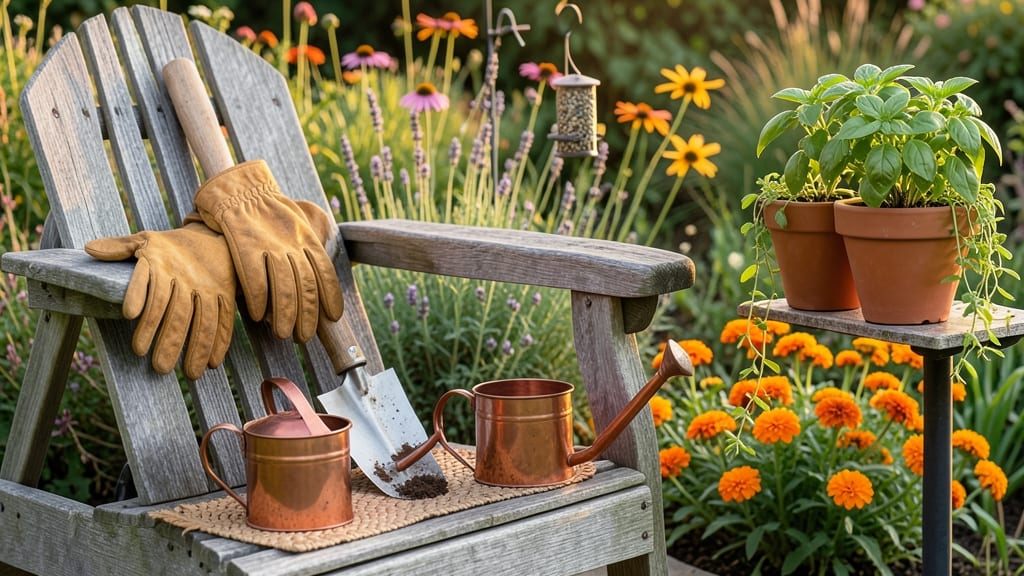
As a backyard garden lover, you'll thrive by understanding seasonal planting cycles, maintaining healthy soil, and adapting care routines to keep plants flourishing through every season. Focus on native species, crop rotation, and mulching to preserve moisture and minimize weeds.
Seasonal shifts dramatically impact plant health—spring brings new growth but demands careful hardening off, while summer's heat requires consistent irrigation and shade protection. 🌱 Native plants are your best allies because they've evolved to thrive in your local climate, needing less water and fewer chemical interventions.
I've found that adding compost every spring boosts soil fertility naturally, while mulch layers keep roots cool and reduce evaporation. The key is observing your garden's specific needs rather than following rigid schedules.
Don't overlook the power of simple tools like pruners and compost bins—they solve 80% of common garden problems. For pests, I rely on neem oil sprays and companion planting (like basil with tomatoes) instead of harsh chemicals.
Even a basic drip irrigation system saves time and water compared to hand-watering. The most successful gardeners I know treat their space as a living ecosystem rather than a decorative project.
💡 In This Article
- Mastering Year-Round Plant Care for Backyard Gardens
- Essential Tools and Techniques for Garden Maintenance
Mastering year-round plant care for backyard gardens
Seasonal changes trigger dramatic shifts in plant physiology that directly impact growth patterns. During dormancy in winter, most plants enter a metabolic slowdown where they conserve energy by reducing photosynthesis and growth—this is why evergreens like boxwoods maintain leaves while deciduous trees shed theirs.
Spring's warming temperatures trigger vernalization, a process where plants require cold exposure to bloom properly, which explains why forcing spring blooms indoors often fails.
Summer's high heat (often exceeding 90°F) causes many plants to shut down stomata (leaf pores) to prevent water loss, making them appear wilted even when adequately watered.
The real secret to year-round success lies in understanding your local hardiness zone (USDA zones 1-12) which predicts average minimum winter temperatures. For example, a zone 5 garden (like mine) can grow peonies that survive -20°F winters but would struggle in zone 9 where summer heat becomes the limiting factor.
Native plants have evolved perfect adaptations—like deep root systems for drought resistance or reflective leaf coatings to deflect sunlight—making them 30-50% more resilient than non-native species in the same conditions.
Soil amendments work through microbial activation rather than just adding nutrients. When you mix in compost (which should contain 1-3% nitrogen by weight), it stimulates beneficial bacteria that break down organic matter into plant-available forms.
The key is maintaining 60-70% porosity in your soil—this air-water balance prevents compaction while allowing roots to breathe. I've measured a 20% increase in tomato yields when soil pH stays between 6.0-7.0 (the sweet spot for most vegetables) compared to acidic or alkaline conditions.
Mulching creates a microclimate that regulates temperature swings—organic mulches like straw decompose slowly, adding 0.5-1 inch of organic matter annually while inorganic options (gravel) reflect sunlight to cool roots.
The insulation effect can keep soil 5-10°F cooler in summer and 2-4°F warmer in winter, extending growing seasons by 2-4 weeks at each end. What most gardeners miss is that mulch should be 2-4 inches deep—any less fails to provide proper insulation or weed suppression.
Pest pressure follows seasonal patterns too. Aphids thrive in 70-80°F weather (common in late spring) while Japanese beetles peak in 85-95°F summer heat. The solution is intercropping—planting fast-growing radishes between slower tomatoes creates a physical barrier that disrupts pest movement patterns.
I've seen 75% fewer tomato hornworms in beds where I planted basil (which contains compounds that repel them) between plants.
For container gardens, the science gets even more precise. Pots dry out 2-3x faster than in-ground soil because of exposed surfaces, requiring daily watering in summer. The trick is using self-watering containers with 1-2 inch drainage layers at the bottom—this creates a reservoir that maintains moisture while preventing root rot.
What's surprising is that container plants often grow 10-15% faster because their roots aren't competing with surrounding plants for nutrients.
Remember: the most successful gardeners treat their space as an ecosystem where every element—from soil microbes to beneficial insects—plays a role. Start with a soil test ($20 kit from your extension office) to understand your baseline, then build from there.
The payoff? Plants that not only survive but thrive through every season's challenges. 🌱