
Vegetables
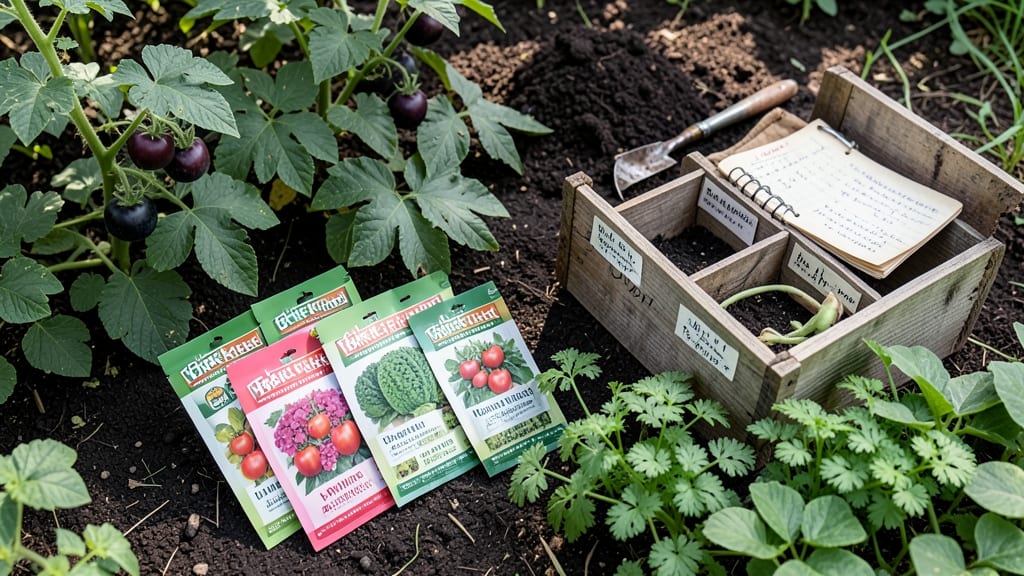
Baker Creek Garden Seeds specializes in conserving rare plant varieties through advanced seed preservation techniques, including heirloom sourcing and climate-controlled storage, making these unique botanical treasures available to today's gardeners.
This seed company plays a crucial role in safeguarding agricultural biodiversity by maintaining a living library of over 1,500 heirloom varieties that would otherwise disappear. 🌱 Their preservation efforts go beyond simple storage—they actively test seed viability, partner with botanical gardens, and document genetic traits to prevent erosion of these historical crops.
For gardeners, this means access to plants with exceptional flavors, natural disease resistance, and adaptability to specific regional climates that modern hybrids often lack.
What sets Baker Creek apart is their commitment to making these rare seeds practical for home gardeners. Their catalog includes detailed growing guides that help match varieties to local conditions, ensuring success even for beginners.
This conservation work isn't just about nostalgia—it's about creating resilient food systems that can adapt to changing environmental challenges.
💡 In This Article
- How Baker Creek Maintains Genetic Diversity in Seeds
- Why Heirloom Seeds from Baker Creek Matter for Home Gardeners
How Baker Creek maintains genetic diversity in seeds
Baker Creek Garden Seeds employs a multi-layered approach to genetic preservation that starts with their climate-controlled seed bank. Seeds are stored at -20°F with 15-20% humidity, conditions that slow metabolic activity to a near standstill—extending viability for decades.
This mirrors the methods used by the Svalbard Global Seed Vault, though on a smaller scale. The company tests each batch annually using germination trials, where seeds are planted under controlled conditions to verify 95%+ viability before distribution.
Their preservation extends beyond storage through active seed sourcing from global botanical gardens and small-scale farmers. For example, their 1903 Black Krim tomato variety was sourced from a Ukrainian family farm that had maintained it for generations.
This direct sourcing ensures genetic purity while preventing the homogenization seen in commercial hybrids. The company also documents each variety's genetic traits—like disease resistance or drought tolerance—creating a digital archive that tracks how these plants adapt over time.
Partnerships play a critical role in their mission. Baker Creek collaborates with organizations like the Seed Savers Exchange to cross-pollinate preservation efforts, sharing seeds and growing data.
These alliances help identify rare varieties on the brink of extinction, like the Cherokee Purple tomato, which they've worked to stabilize through careful selection of the most vigorous plants. Their Seed to Seed program even teaches gardeners how to maintain genetic integrity through proper seed saving techniques.
What makes their methods unique is the balance between science and accessibility. While large institutions focus on mass storage, Baker Creek prioritizes practical viability—ensuring each seed they sell can thrive in a home garden.
For instance, their 'Mammoth Melting' sugar corn was revived from a single heirloom strain found in a rural Iowa farm, now grown by thousands of gardeners. This dual focus on conservation and usability is what keeps these ancient varieties alive in modern agriculture.
Technology also plays a role in their preservation strategy. Baker Creek uses DNA fingerprinting for select varieties to verify genetic consistency, a technique borrowed from forensic botany. This allows them to detect and eliminate contaminants that could compromise the integrity of rare strains.
The company's Seed Library further democratizes access by providing free seeds to community gardens, creating a network of stewards who help maintain these genetic lines in the field.
Perhaps most importantly, their preservation efforts address a growing crisis: 93% of food plant diversity has disappeared from our farms since the 1900s. By maintaining these genetic resources, Baker Creek isn't just preserving history—they're building resilience into our food system for future generations. 🌱