
Pests
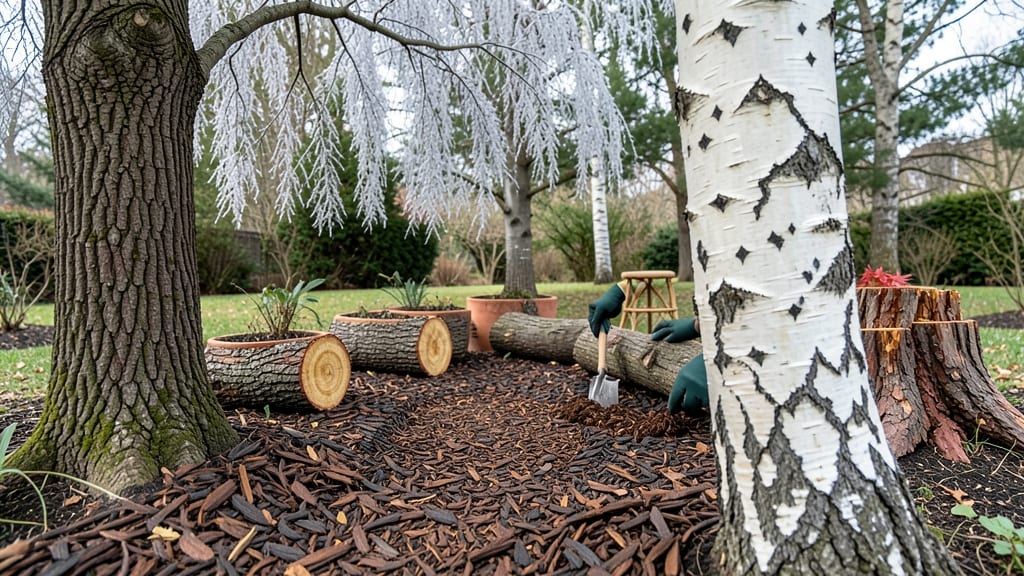
Dealing with bark in garden soil means carefully removing large pieces by hand or with a rake, then tilling to break down smaller fragments while composting the debris to protect soil structure and plant health.
Bark mulch breaks down over time, releasing organic matter that can either enrich or harm your soil depending on how it's managed. 🌱 When left to decompose in place, it may create nitrogen competition for plants or compact the soil, while improper removal can disrupt beneficial microbes.
The key is balancing removal with soil health—using a broadfork instead of a tiller preserves earthworms and structure, and spreading excess bark as mulch elsewhere prevents waste while supporting other garden areas.
For stubborn bark buildup, I recommend working in dry conditions when the soil is firm but not hard. This makes it easier to separate debris without creating clumps that resist decomposition.
If you're dealing with cedar or pine bark, which resist breaking down faster, consider shredding it first for quicker composting. Always leave a thin layer of organic matter on the surface—this mimics natural forest floors and maintains moisture while preventing erosion.
💡 In This Article
- Why Bark Mulch Breaks Down in Soil and Its Effects
- Safe Bark Removal Techniques Without Damaging Soil Health
Why bark mulch breaks down in soil and its effects
Bark mulch decomposes through microbial activity, where soil bacteria and fungi slowly break down cellulose and lignin—the two main components of wood. This process begins when moisture and oxygen reach the bark fragments, activating decomposers that convert organic matter into simpler compounds.
However, bark's high carbon-to-nitrogen ratio (typically 100:1 or higher) means it initially "steals" nitrogen from the soil to fuel its breakdown, which can leave plants nitrogen-deficient if not managed properly. 🔥
The decomposition rate varies widely: fine bark chips may break down in 6-12 months, while larger chunks can take 2-5 years to fully decompose. Cedar and pine bark resist decomposition longer due to natural resins that repel microbes, while hardwoods like oak decompose faster.
The breakdown process also alters soil pH—acidic barks (like pine) lower pH over time, while neutral barks (like oak) have minimal impact. This pH shift can affect nutrient availability for plants, particularly those sensitive to soil acidity.
While bark mulch provides excellent moisture retention and weed suppression, its slow decomposition can lead to soil compaction over time. The dense, fibrous structure creates a physical barrier that reduces water infiltration and root penetration. In extreme cases, this can suffocate plant roots by limiting oxygen exchange.
Additionally, thick layers of bark (over 3-4 inches) can promote fungal growth, creating conditions for diseases like root rot in susceptible plants. The key is using bark mulch strategically—thinner layers (2 inches) work best for annual decomposition without smothering soil life.
One often-overlooked effect is the impact on soil microbes. While bark decomposition supports beneficial fungi like mycorrhizae, excessive bark can create anaerobic pockets where harmful microbes thrive. These pockets form when bark fragments block water and air movement, creating localized low-oxygen zones.
The solution? Aerate the soil periodically by gently turning the top 4-6 inches with a broadfork, which breaks up compacted layers without disturbing deeper soil structure. This simple action restores oxygen flow while allowing beneficial microbes to thrive.
Consider this comparison: A 3-inch layer of pine bark will suppress weeds effectively but may lower soil pH by 0.5-1.0 units over two years, while the same layer of oak bark will decompose faster and maintain a more neutral pH. The choice of bark type directly influences both decomposition speed and soil chemistry.
For gardens with acid-loving plants like blueberries, pine bark is ideal, while vegetable gardens benefit more from hardwood bark that decomposes more predictably. 🌿
To mitigate nitrogen depletion, many gardeners mix bark mulch with nitrogen-rich amendments like compost or alfalfa meal. This practice creates a balanced decomposition environment where microbes have enough nitrogen to break down carbon-rich bark without competing with plants.
The ideal ratio is 1 part compost to 3 parts bark, which supports decomposition while maintaining soil fertility. This approach turns what could be a soil-damaging process into a beneficial one.
The bottom line? Bark mulch is a double-edged sword—its benefits (moisture retention, weed control) come with trade-offs (slow decomposition, potential compaction, pH changes). The key to success lies in understanding these mechanisms and adjusting your approach based on your garden's specific needs.
For example, vegetable gardens with high nutrient demands may need more frequent compost additions, while ornamental beds can handle bark mulch with minimal intervention. Always monitor soil health and adjust your mulching strategy accordingly. ✨