
Vegetables
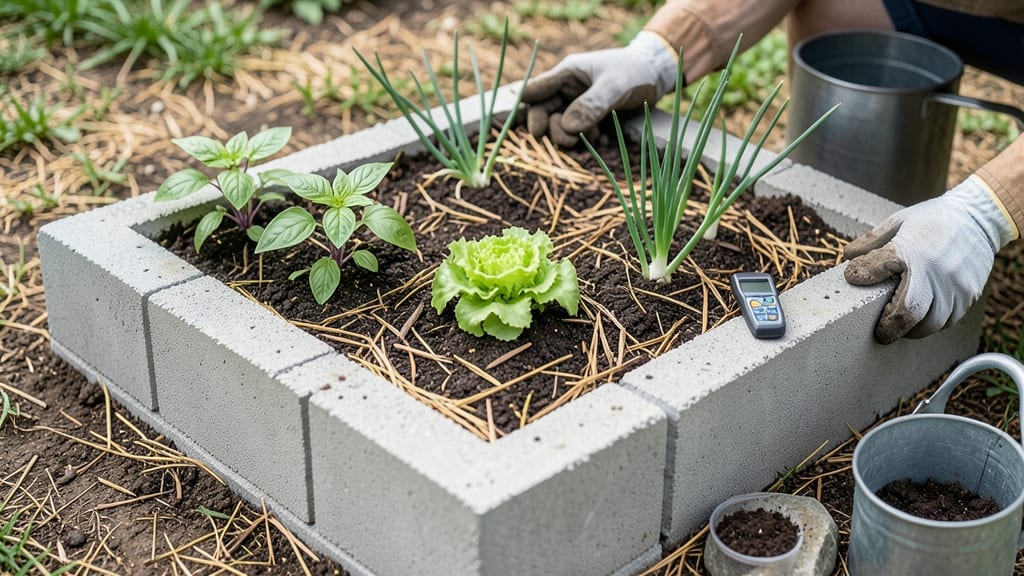
Cinder blocks are generally safe for vegetable gardens when used as raised bed frames, but they can alter soil pH slightly over time and restrict root growth if not properly lined. Avoid direct contact with soil or plants for best results.
Using cinder blocks in vegetable gardens is a common practice, but their alkaline nature can gradually raise soil pH levels over time, which may affect nutrient availability for certain plants. 🌱 The porous material can also leach small amounts of sulfur and other minerals, potentially altering soil chemistry if not managed properly.
To mitigate these risks, always line your raised beds with landscape fabric or plastic sheeting before adding soil, creating a barrier between the blocks and your plants.
For best results, pair cinder blocks with nutrient-rich soil and consider adding organic matter like compost to help buffer any pH changes. 💫 Root crops like carrots or potatoes might struggle with restricted space, so opt for shallow-rooted vegetables like lettuce or herbs when using cinder block beds.
Regular soil testing will help you monitor pH levels and adjust as needed for optimal plant health.
💡 In This Article
- How Cinder Blocks Affect Soil Chemistry in Gardens
- Best Practices for Using Cinder Blocks in Raised Garden Beds
How cinder blocks affect soil chemistry in gardens
Cinder blocks are made from concrete mixed with coal ash, which gives them an inherently alkaline pH—typically ranging from 7.5 to 9.5. When exposed to moisture, these blocks slowly leach alkaline minerals like calcium and magnesium into the surrounding soil.
Over time, this can gradually raise the pH of your garden bed, especially in raised configurations where soil has limited volume.
For reference, most vegetables thrive in a slightly acidic to neutral range of 6.0 to 7.0, so even a small shift can reduce nutrient availability for plants like tomatoes or blueberries that prefer lower pH levels.
The porous nature of cinder blocks also allows trace amounts of sulfur and other heavy metals (like iron or manganese) to dissolve into the soil, especially in acidic or wet conditions. While these levels are usually safe for edible plants, prolonged exposure can create micronutrient imbalances.
For example, excessive calcium leaching might lead to phosphorus deficiency in plants, since high calcium levels can bind phosphorus and make it less accessible to roots. 🌱 This is why soil testing becomes critical when using cinder blocks—it helps you monitor these subtle chemical shifts before they impact plant health.
Unlike organic materials (such as wood or straw bales), which decompose and enrich soil over time, cinder blocks remain chemically inert but physically restrictive. Their solid structure limits root expansion, which can stunt the growth of deep-rooted vegetables like carrots or parsnips.
In contrast, materials like untreated wood or stone borders allow roots to spread more freely while still providing structural support. The trade-off? Cinder blocks offer durability and pest resistance that organic materials can't match, but they require careful planning to avoid compromising plant development.
One often-overlooked factor is how cinder blocks interact with mulch or organic amendments.
When you add compost or wood chips to a cinder block bed, the decomposition process can accelerate alkaline leaching, further raising soil pH. To counteract this, gardeners often mix in acidic amendments like peat moss or pine needles (pH 4.0 to 5.0) to create a buffer.
However, these adjustments must be done gradually—adding too much acid at once can shock plant roots and disrupt microbial activity in the soil.
For comparison, metal raised beds (like galvanized steel) pose different risks—they can introduce zinc or copper into the soil over time, while untreated wood may leach tannins that inhibit seed germination. Cinder blocks strike a balance in terms of chemical stability, but their alkaline nature demands proactive soil management.
The key is understanding that while they’re safe for short-term use, long-term gardens built with cinder blocks require regular pH monitoring and strategic plant selection to thrive.