
Vegetables
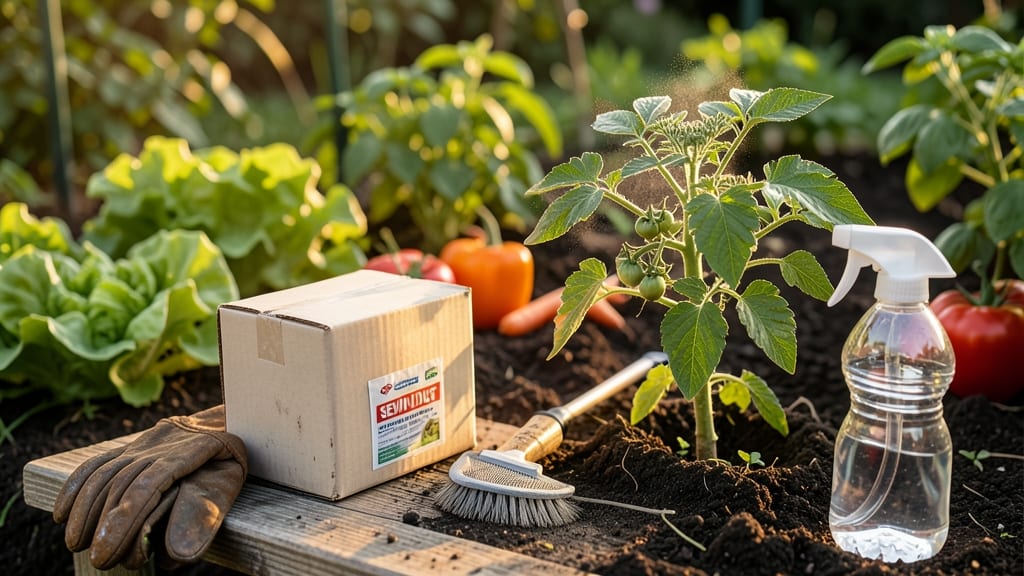
Sevin Dust is not safe for vegetable gardens when used directly on edible crops because it contains carbaryl, a chemical linked to neurological risks and residue concerns. Always follow label instructions for pre-harvest intervals and avoid spraying near harvestable plants. Organic alternatives like neem oil or insecticidal soap are safer choices for edible gardens.
Sevin Dust's active ingredient, carbaryl, can leave harmful residues on vegetables you plan to eat. 🌱 While it's effective against pests like beetles and caterpillars, the chemical persists in soil and plants, potentially contaminating your harvest.
Many gardeners switch to organic options like neem oil, which disrupts pests without lingering toxicity. I recommend testing soil regularly if you've used chemical pesticides in the past—some residues can remain active for months.
For edible gardens, timing matters most. Even if you follow pre-harvest intervals, carbaryl breaks down slowly in warm conditions. 🌿 Organic sprays like pyrethrin-based products work faster but degrade quickly, reducing risk. Companion planting with marigolds or basil can also deter pests naturally while keeping your vegetables safe to eat.
💡 In This Article
- How Carbaryl in Sevin Dust Affects Vegetable Gardens
- Safe Organic Pesticides for Vegetable Gardens
How carbaryl in sevin dust affects vegetable gardens
Carbaryl works by disrupting the nervous system of insects, mimicking the neurotransmitter acetylcholine.
When pests ingest or absorb it, their nerve signals become overstimulated, leading to paralysis and death within hours. 🔥 The chemical binds to acetylcholinesterase enzymes, preventing them from breaking down acetylcholine—similar to how nerve gases function, but at much lower potency.
This mechanism makes carbaryl effective against chewing insects like beetles and caterpillars, but it doesn't discriminate between harmful pests and beneficial pollinators like bees.
The real concern for vegetable gardens comes from carbaryl's persistence.
In soil, it breaks down slowly—typically over 30-60 days—depending on temperature and moisture. 🌱 Studies show residues can remain detectable on leafy greens for up to 14 days after application, while root vegetables may retain traces longer due to soil absorption.
The EPA classifies carbaryl as a "possible human carcinogen," though acute poisoning is rare. However, chronic exposure through contaminated produce poses greater risks, especially for children and pregnant individuals.
What sets carbaryl apart from other pesticides is its broad-spectrum toxicity. Unlike targeted neonicotinoids that affect only specific insect receptors, carbaryl impacts all organisms with cholinergic systems—including humans. 💫 A single application can leave residues on edible surfaces that aren't fully washed away by rain or rinsing.
Even when following label instructions, gardeners often underestimate how wind or irrigation can spread dust particles beyond the treated area, contaminating nearby plants.
Comparing carbaryl to common organic alternatives reveals stark differences. For example, neem oil works by smothering pests and disrupting their life cycles without neurotoxic effects. 🌿 While both control caterpillars, neem breaks down in 1-7 days and leaves no harmful residues.
The environmental impact is equally different—carbaryl persists in waterways for weeks, while organic options degrade rapidly. This persistence is why many states have restricted carbaryl use in residential areas, despite its effectiveness.
For vegetable gardeners, the key risk factor is timing.
Carbaryl's half-life in soil doubles when temperatures drop below 60°F, meaning cooler seasons extend exposure risks. 🍅 Leafy vegetables like lettuce and spinach absorb more surface residues than thicker-skinned crops, but all edibles should be avoided until the pre-harvest interval (typically 1-3 days) has passed.
The problem is that many gardeners harvest before this window, unaware of the chemical's lingering effects.
What most people don't realize is how carbaryl affects soil health long-term.
It reduces beneficial microbial activity by 20-30% in treated areas, which can weaken plant roots and make crops more susceptible to disease. 🌱 This creates a cycle where chemical intervention actually makes gardens less resilient over time—a tradeoff many organic gardeners avoid entirely by using targeted, biodegradable alternatives.