
Advice
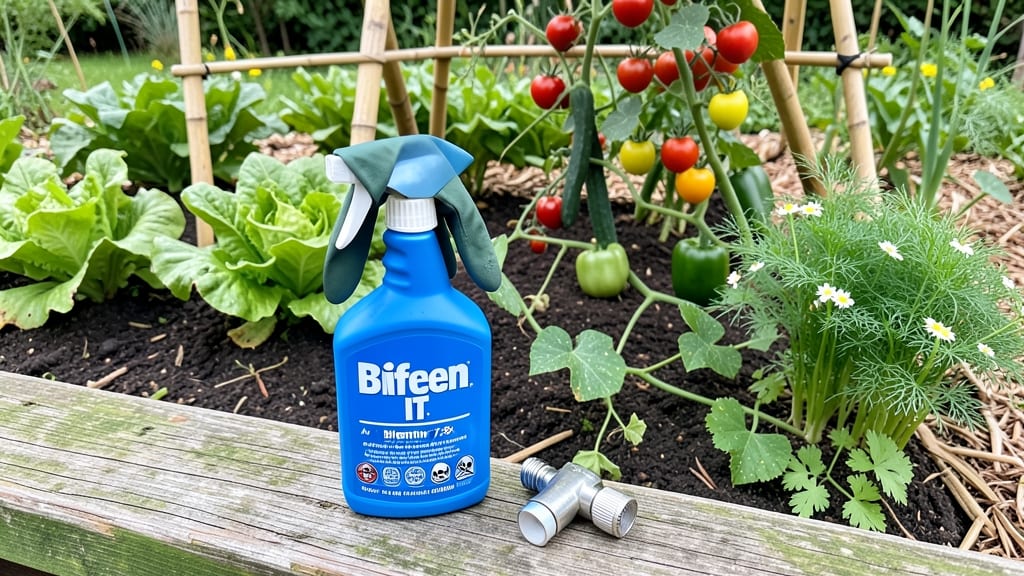
Bifen (bifenthrin) is not safe for vegetable gardens because its neurotoxic properties pose serious risks to both humans and pollinators while lingering in soil.
This chemical pesticide disrupts nervous systems in bees, butterflies, and even humans through skin contact or inhalation, making it particularly dangerous for edible plants. 🔥 The Environmental Protection Agency classifies bifenthrin as a "general use" pesticide with restricted application near water sources, yet its residues can persist for months in garden soil.
For organic gardeners, neem oil and insecticidal soap provide effective alternatives without these hazards—neem oil, for example, works by coating pests while being harmless to plants and beneficial insects when used correctly.
If you're dealing with persistent pests in your vegetable garden, I recommend starting with a neem oil spray (1 tablespoon per quart of water with a drop of dish soap) applied in the early morning.
This approach targets soft-bodied insects like aphids and mites without harming your crops or the environment. For larger infestations, consider introducing beneficial nematodes, microscopic organisms that naturally prey on soil-dwelling pests while being completely safe for your plants.
💡 In This Article
- Toxicity Risks of Bifen in Home Vegetable Gardens
- Best Organic Pest Control Alternatives for Vegetable Gardens
Toxicity risks of bifen in home vegetable gardens
Bifen, or bifenthrin, works by disrupting the nervous systems of insects through its sodium channel blocking mechanism. This chemical binds to nerve cell membranes, preventing proper signal transmission and causing paralysis or death in pests like aphids and beetles. The problem?
Humans and pollinators have similar nervous systems, making us vulnerable to the same neurotoxic effects through skin contact, inhalation, or accidental ingestion of contaminated produce. Studies show bifenthrin can linger in soil for up to 6 months, creating a persistent hazard for both gardeners and the plants they grow.
The Environmental Protection Agency classifies bifenthrin as a Class II moderately hazardous pesticide, requiring careful handling. When applied to vegetable gardens, residue can transfer to edible plants through direct contact or soil absorption.
For example, leafy greens like lettuce and spinach absorb water and nutrients from contaminated soil, potentially concentrating bifenthrin levels. The EPA also warns that bifenthrin poses acute risks to bees, with exposure causing disorientation and colony collapse—a critical concern for gardeners relying on pollinators for fruit and vegetable production.
What makes bifenthrin particularly dangerous is its lipophilic nature, meaning it dissolves in fats and oils. This property allows it to accumulate in plant tissues and even the fatty tissues of animals that consume contaminated produce.
Research published in the Journal of Agricultural and Food Chemistry found bifenthrin residues in soil can persist even after multiple rain cycles, highlighting the long-term contamination risks for home gardens.
The chemical's half-life in soil ranges from 30 to 120 days, depending on environmental conditions like temperature and organic matter content.
For gardeners, the risks extend beyond immediate toxicity. Chronic exposure to bifenthrin has been linked to developmental and neurological issues in children, as well as potential endocrine disruption in adults.
The scent of bifenthrin-treated plants can also linger, with some gardeners reporting a faint chemical odor that persists for weeks after application. This sensory clue serves as a warning sign of potential residue presence on edible crops, reinforcing why organic alternatives are safer choices for home vegetable gardens.
Consider this comparison: bifenthrin's mechanism of action is similar to pyrethroids, another class of neurotoxic pesticides, but with a 10x longer residual activity in soil.
While it excels at controlling pests like Colorado potato beetles and flea beetles, its broad-spectrum toxicity makes it unsuitable for gardens where pollinators and beneficial insects play a crucial role in plant health. The trade-off between pest control and ecosystem safety simply isn't worth the risk for edible crops.
If you've already used bifenthrin in your garden, don't panic—but do take action. The first step is to avoid harvesting any produce for at least 30 days after application, as this is the minimum wait time recommended by the EPA for most vegetables.
For contaminated soil, consider amending with compost or organic matter to help break down residues faster, though this won't eliminate all traces. The key takeaway? Bifen's effectiveness doesn't justify the risks when safer, targeted alternatives exist for vegetable gardens.