
Pests
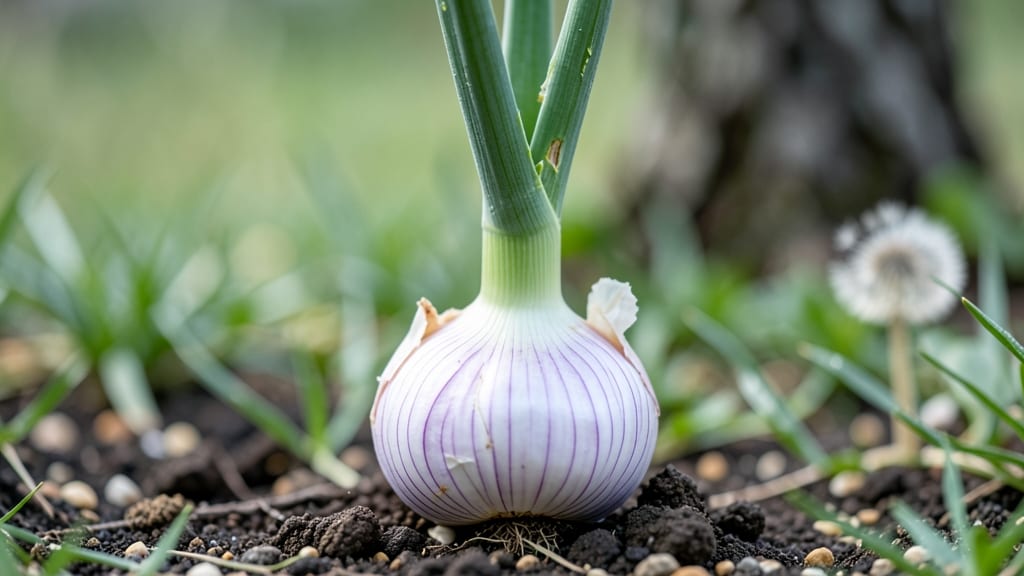
Do rabbits eat onions in gardens? Yes, but they should never consume them—onions contain thiosulfates that trigger anemia and digestive distress. Even small amounts are toxic, so remove onions and related alliums from garden plots where rabbits graze.
Rabbits are curious foragers and may nibble on onions in gardens, but these bulbs and their relatives (garlic, leeks, chives) are highly toxic. 🔥 The thiosulfate compounds in alliums destroy red blood cells, leading to weakness, pale gums, and even death in severe cases.
Unlike many garden pests, rabbits don't instinctively avoid these plants—so proactive removal is essential for their safety. I always recommend replacing onion patches with rabbit-friendly greens like cilantro or parsley to keep your garden both productive and pet-safe.
For added protection, consider planting rabbit-resistant barriers like marigolds or lavender around vulnerable areas. These alternatives not only deter nibbling but also add beauty to your garden while keeping your furry friends healthy.
💡 In This Article
- Why Onions and Alliums Are Dangerous for Rabbits
- Rabbit-Safe Garden Alternatives to Onions
Why onions and alliums are dangerous for rabbits
The danger lies in thiosulfate compounds found in onions and their relatives. When rabbits ingest these plants, their digestive systems convert thiosulfates into toxic byproducts that attack red blood cells. This process, called oxidative hemolysis, causes cells to rupture and releases hemoglobin into the bloodstream.
Just 0.5 grams of onion per pound of body weight can trigger anemia in rabbits—a tiny amount when you consider a 10-pound rabbit would only need 5 grams to face serious health risks.
Symptoms of poisoning appear within 12-24 hours and include lethargy, pale gums, loss of appetite, and dark-colored urine. The most concerning sign? Labored breathing caused by hemoglobin buildup in organs.
Unlike humans, rabbits lack the enzymes to safely metabolize these compounds. 🔥 Even dried or cooked onions retain toxicity, making them just as dangerous as fresh. Garlic, leeks, and chives contain similar thiosulfates, so all allium family plants should be avoided.
What makes this particularly insidious is that rabbits often don't show immediate distress. Their natural foraging instincts may lead them to nibble on onion greens without obvious signs of discomfort until the damage is already done.
The hemolytic crisis can develop rapidly, with affected rabbits becoming weak within 24-48 hours after consumption. This delayed reaction is why many rabbit owners don't realize the danger until it's too late.
For comparison, a human would need to consume significantly more onions to experience similar effects due to our larger body mass and different metabolic pathways. However, rabbits' smaller size and delicate digestive systems make them far more vulnerable.
The toxic dose for rabbits is roughly 1/10th what would affect a human of comparable weight—making garden onions especially perilous for these pets.
If you suspect your rabbit has ingested onions, immediate veterinary care is critical. Treatment often involves supportive care like intravenous fluids and supplements to rebuild red blood cells.
In severe cases, blood transfusions may be necessary. Prevention through garden management is always the safest approach—removing all allium plants from areas where rabbits can access them.