
Tools
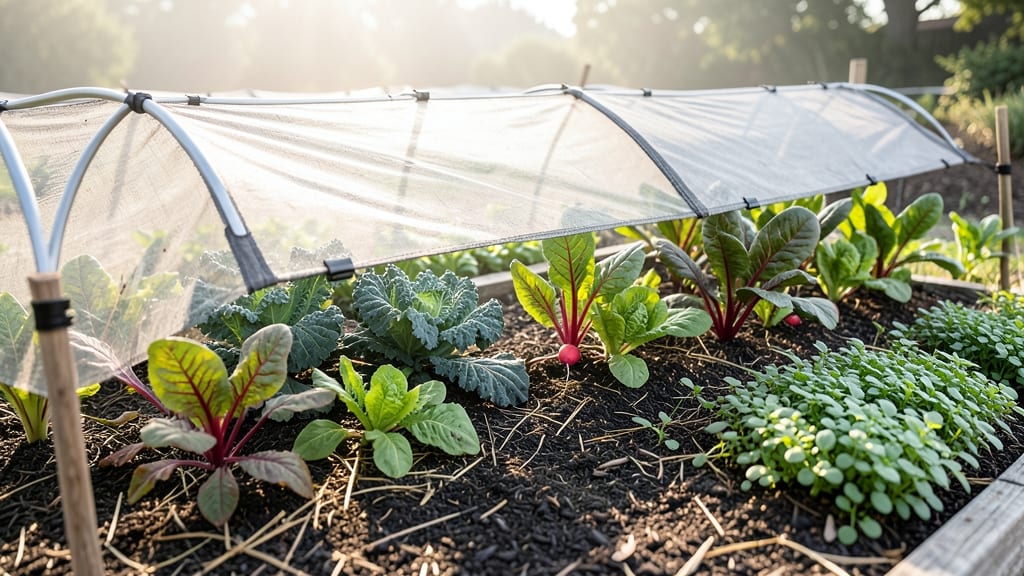
Using shade cloth for garden beds helps regulate sunlight exposure to shield heat-sensitive plants, control rapid growth in aggressive varieties, and prevent leaf scorch while allowing 30% to 90% light transmission based on fabric density. Select the appropriate percentage for your specific plants and install it securely to prevent damage or shifting over time.
Shade cloth acts like a customizable sun filter for your garden, adjusting how much light reaches plants based on their needs. 🌿 For example, a 30% density lets most sunlight through while reducing heat stress, perfect for seedlings or heat-tolerant veggies like peppers.
Meanwhile, 70% or 90% cloth creates near-shade conditions ideal for tropical plants or those prone to sunburn. I've found that proper installation—using sturdy frames and tensioning the fabric tightly—prevents sagging and extends the cloth's lifespan by years.
Beyond protecting plants, shade cloth can also extend growing seasons in hot climates. By lowering soil temperatures by up to 10-15°F, it creates a cooler microclimate that benefits root crops and leafy greens.
Just remember to adjust the coverage seasonally—what works for summer tomatoes might be too restrictive in cooler months. The key is matching the fabric's openness to your plants' light requirements while keeping the material taut to avoid wind damage.
💡 In This Article
- How Shade Cloth Density Affects Plant Growth and Sunlight Blocking
- Installing and Maintaining Shade Cloth for Long-Term Garden Protection
How shade cloth density affects plant growth and sunlight blocking
Shade cloth density directly impacts how much sunlight reaches your plants, which in turn affects photosynthesis, temperature regulation, and overall plant health. The percentage rating—like 30%, 50%, 70%, or 90%—refers to the amount of light blocked, not transmitted.
For example, a 30% cloth blocks 30% of sunlight while allowing 70% through, creating a gentle filter that reduces heat without stunting growth. This level is ideal for seedlings or heat-sensitive crops like lettuce, where too much shade could delay maturation.
The science behind this involves how plants balance light absorption and heat stress. Photosynthesis requires specific light wavelengths, primarily in the 400-700nm range (visible light). Shade cloth filters out excess UV and infrared radiation, which can cause leaf burn or wilting.
A 50% cloth, for instance, reduces heat stress by up to 20°F compared to full sun, making it perfect for flowering plants like roses or tomatoes, which need moderate light to produce fruit without overheating.
Meanwhile, 70% or 90% cloth mimics shade conditions, slowing growth in fast-spreading plants like mint or basil while protecting tropical varieties from scorching.
Choosing the wrong density can backfire—over-shading with 90% cloth might stunt growth in sun-loving plants like peppers, while under-shading with 30% cloth won’t protect heat-sensitive greens from wilting. I’ve seen basil bolt to flower prematurely when given too much light, or lettuce turn bitter under insufficient shade.
The key is matching the cloth to your plants’ native growing conditions: tropical plants thrive under 50-70% shade, while Mediterranean herbs need 30-50%.
Temperature control is another critical factor. Shade cloth lowers soil temperatures by 10-15°F in full sun, creating a cooler microclimate that benefits root crops like carrots or radishes. This reduction in heat stress also minimizes water loss through transpiration, so plants need less frequent watering.
However, too much shade can weaken stems, making plants more susceptible to wind or disease. For example, tomatoes grown under 50% shade develop stronger stems and better fruit set than those in full sun during peak summer.
Seasonal adjustments are essential—what works in summer might be unnecessary in spring or fall. A 30% cloth in July could be overkill in May, while a 70% cloth might be too restrictive in cooler months.
I recommend testing different densities in small sections of your garden to observe how plants respond. For instance, place a 50% cloth over half a bed of peppers and leave the other half exposed, then monitor growth and fruit production over 4-6 weeks to determine the ideal balance.
Beyond density, fabric quality matters. Look for UV-stabilized cloth with a tight weave to prevent tearing and ensure even light distribution. Cheaper fabrics can stretch or degrade quickly, leading to sagging and uneven coverage.
Proper tensioning—securing the cloth tightly to frames—prevents pooling water and extends the fabric’s lifespan by reducing wear and tear. 🌞