
Planting
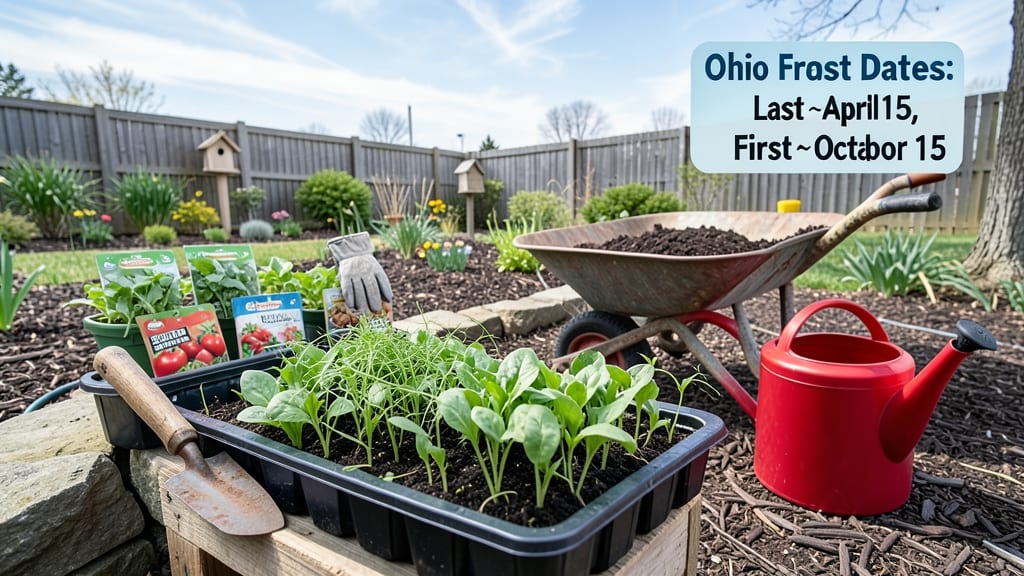
The best time to plant a garden in Ohio is after the last frost date—typically mid-April—when soil temperatures warm up and the risk of frost has passed.
Ohio’s unpredictable spring weather can turn a gardener’s dream into a frustrating gamble—but knowing the exact frost-free window for each crop means the difference between a thriving garden and a wasted season.
For General Garden Plants 🌱, like tomatoes and peppers, waiting until early May ensures roots establish before summer heat arrives. Meanwhile, cool-season crops like lettuce and spinach can handle a late-March start, provided you use row covers for protection.
Below, I break down Ohio’s frost dates by region, a month-by-month planting schedule, and pro tips to extend your growing season—so you can maximize every frost-free day.
Ohio’s frost dates by region: when to start planting cool vs warm-season crops
Ohio’s frost dates vary dramatically across its 11 USDA hardiness zones, from Zone 5b in the Appalachian highlands to Zone 6b near Lake Erie. These differences mean your tomatoes in Toledo may ripen weeks earlier than those in Athens.
Understanding your last spring frost and first fall frost is the key to timing cool-season crops (like lettuce) and warm-season crops (like peppers) perfectly.
For most of Ohio, the average last frost date falls between April 15 (southern regions) and May 15 (north and east). Meanwhile, the first fall frost arrives between October 15 and November 1, depending on elevation and proximity to bodies of water.
These windows define your growing season, which typically spans 160–180 days in Ohio.
Here’s how to use frost dates to plan your garden by Ohio’s five key regions: Northwest, Northeast, Southwest, Southeast, and Central. Each has unique microclimates that affect planting times.
For example, Toledo’s Zone 6a enjoys a longer season than Columbus’s Zone 6b, while Athens’s Zone 6a faces earlier frosts due to higher elevation.
For cool-season crops like lettuce, spinach, and peas, you can start seeds indoors as early as February and transplant outdoors 4–6 weeks before your last frost date
Best planting schedule for Ohio gardens: month-by-month crop timing
Ohio’s gardening season is a delicate balance between last frost dates and soil warmth. While the average last frost hovers around April 15 in most regions, soil temperatures often lag behind air temperatures, making timing everything.
For example, cool-season crops like peas and spinach can handle chilly soils, while warm-season crops like tomatoes need soil at 60°F+ to thrive. Planning ahead ensures your garden starts strong and avoids the heartbreak of frost-nipped seedlings.
To simplify, I’ve broken down the ideal planting windows by month, focusing on Ohio’s most popular vegetables, herbs, and flowers. Whether you’re a beginner gardener or a seasoned pro, this schedule accounts for Ohio’s humidity fluctuations and unpredictable weather shifts.
Pro tip: Use row covers for early spring plantings to protect tender shoots from late frosts.
Sow cool-season crops like onions, peas, and spinach indoors or under row covers. Soil temps are still chilly (40-50°F), so avoid planting warm-season crops.
Transplant broccoli, cabbage, and lettuce after last frost (aim for April 15-30). Start tomato and pepper seedlings indoors for late May transplanting.
Plant tomatoes, cucumbers, and beans once soil reaches 60°F+. Direct-sow squash and corn after May 15 when nights stay above 50°F.
Sow successive plantings of beans and lettuce for continuous harvests. Add marigolds and nasturtiums to deter pests and attract pollinators.
Start fall crops like kale, carrots, and radishes in late August for harvest before first frost (aim for September 15 plantings).
Plant garlic and onions for next year’s harvest. Extend the season with row covers or cold frames for spinach and lettuce.
Ohio’s humidity can be a double-edged sword—too much moisture early in the season may delay soil warming, while summer droughts stress young plants. To combat this, I mulch heavily in spring to retain moisture and water deeply in the morning to reduce fungal risks.
For warm-season crops, wait until the soil thermometer confirms 60°F+ before transplanting; rushing often leads to stunted growth.
Don’t overlook fall planting, which is just as critical as spring. Crops like kale and carrots thrive in cooler weather and can be harvested well into winter with protection.
I’ve had success with late August sowings of radishes, which mature in just 25 days—perfect for a quick fall harvest before the first frost hits in October.
For container gardening or small spaces, stick to compact varieties like bush beans, dwarf tomatoes, and salad greens. These can be planted in late May and harvested continuously until October, giving you a 4-month harvest window with minimal space.
Just remember: consistent watering is key, especially in Ohio’s summer heat.