
Planting
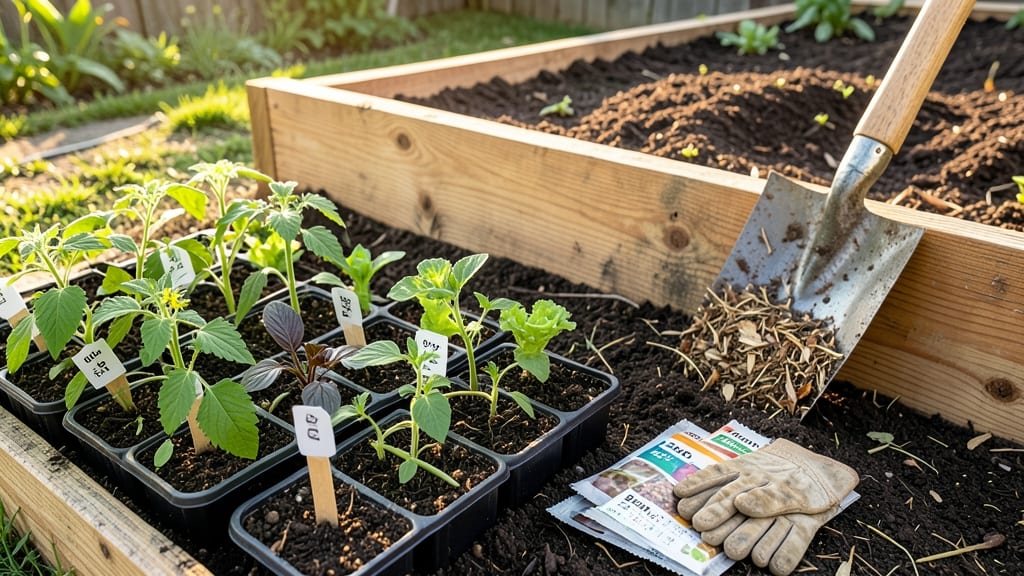
Planting a garden in Ohio starts with knowing your last frost date—typically mid-April for most of the state—so you don’t risk losing tender seedlings to a surprise freeze.
Ohio’s unpredictable frost dates can make or break your garden—plant too early and risk losing your hard work, too late and miss the growing season. Timing is everything, but with the right frost-free window guide, you can maximize yields for everything from tomatoes to zucchini.
Whether you’re growing cool-season crops like lettuce or warm-season favorites like peppers, the USDA Zone 6a climate means your planting schedule shifts from early spring to late summer. I’ll break down the best months for each type of plant, plus how to adjust for Ohio’s 165 frost-free days.
By the end, you’ll know exactly when to plant your garden in Ohio—so you can enjoy a bountiful harvest from spring to fall without the guesswork.
Ohio’s frost dates by region: when to start planting vegetables
Ohio’s growing season varies dramatically from its northern to southern regions, with frost dates shifting by weeks. In USDA Zones 5b-6a, northern Ohio’s last spring frost typically arrives April 15-30, while southern Ohio sees frost-free conditions 1-2 weeks earlier.
These differences mean tomatoes planted in Toledo may thrive weeks before those in Cleveland.
Understanding your local frost dates is critical—planting cool-season crops like peas or lettuce too late risks bolting, while warm-season plants like peppers need soil temperatures above 60°F to germinate. Even a single late frost can devastate young seedlings, so timing matters more than soil type or sunlight.
Below is a region-by-region breakdown of Ohio’s average frost dates, including first frost timelines for fall planting. Use this as your guide to align your garden with Ohio’s 160-180 frost-free days, depending on location.
Southern Ohio’s longer growing season (up to 180 frost-free days) allows for earlier spring plantings and later fall harvests. For example, you can direct-sow zucchini in late April in Lexington but wait until mid-May in Cleveland. Always verify with your local cooperative extension for year-to-year variations.
For warm-season crops like peppers or eggplants, wait until soil temperatures reach 70°F+—typically late May in northern Ohio. Use a soil thermometer to confirm readiness. Cool-season crops like kale or carrots can handle light frosts, so start them 4-6 weeks before your last frost date.
Fall planting is trickier—broccoli or spinach sown in August will bolt if exposed to early September heat. Aim for 60-70 days before your first frost date, adjusting for short-day plants like lettuce, which need cooler temps to thrive.
Ohio’s microclimates add another layer of complexity. Urban areas like Columbus often warm up faster than rural zones, while valleys (e.g., Hocking Hills) may experience later frosts. If you’re unsure, use frost cloth or plant heat-loving crops in containers for mobility.
Pro tip: Track your garden’s actual frost dates for 3-5 years—Ohio’s climate shifts yearly. For instance, the 2020 late April frost in northern Ohio caught many gardeners off guard. Adjust your schedule annually based on real-world data, not just averages.
By aligning your planting with these regional frost windows, you’ll avoid the heartbreak of frost-damaged seedlings or missed harvests. Start with cool-season crops in early spring, then transition to warm-season plants as temperatures rise—your garden’s success depends on it.
Best planting schedule for Ohio crops: from cool-season to warm-season vegetables
Ohio’s growing season spans from early spring to late summer, but timing your cool-season crops and warm-season plants correctly is key to avoiding frost damage or missed harvests.
With USDA Zone 6a conditions, most Ohio gardeners enjoy a 165-day frost-free window, but regional differences matter—northern Ohio freezes later than the south. Start by marking your last frost date (typically mid-April) and first frost date (mid-October) on your calendar.
For a continuous harvest, plan succession planting every 2-3 weeks after the last frost. Cool-season crops like lettuce and spinach thrive in early spring and fall, while tomatoes and peppers need warm soil and air temperatures.
Below, I’ve broken down the best month-by-month planting schedule for Ohio’s most popular crops, including succession planting tips to keep your garden productive all season.
- 1 March-April (Cool-Season): Plant lettuce, spinach, peas, and radishes 4-6 weeks before last frost. Use row covers for extra protection.
- 2 Late April-Early May (Warm-Season Prep): Start tomatoes, peppers, and eggplants indoors 6-8 weeks before transplanting after last frost. Harden off seedlings for 1 week before moving outside.
- 3 May-June (Warm-Season Planting): Transplant tomatoes, peppers, and cucumbers after soil reaches 60°F. Direct-sow beans, corn, and squash. Use mulch to retain moisture.
- 4 June-July (Succession Planting): Sow bush beans, carrots, and beets every 2 weeks for continuous harvests. Start fall crops like kale and broccoli indoors in late July.
- 5 August-September (Fall Planting): Direct-sow spinach, radishes, and turnips 6-8 weeks before first frost. Transplant broccoli and cabbage seedlings for fall harvests.
Don’t overlook herbs like basil and cilantro, which thrive in warm weather but bolt quickly in heat. Plant basil in early May and again in late July for a fall crop, while cilantro prefers cooler temperatures—sow it in early spring or late summer.
For perennials, divide asparagus crowns in early spring or rhubarb in fall for next year’s growth.
Pro tip: Use shade cloth for heat-sensitive crops like lettuce during summer’s peak. And always monitor soil moisture—Ohio’s summer heat can dry out gardens fast. A mulch layer of straw or wood chips helps retain moisture and regulate soil temperature.
With this schedule, you’ll enjoy fresh homegrown produce from spring through fall!
🌱