
Tools
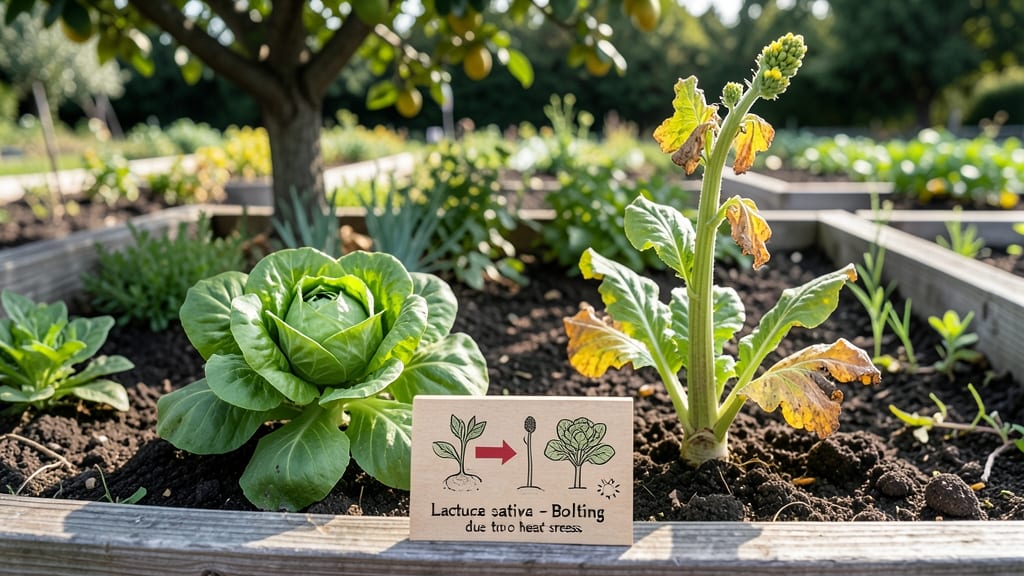
In gardening, bolting means a plant suddenly grows a tall flower stalk to produce seeds, often caused by heat stress, drought, or reaching maturity. This process redirects energy away from leaf production, reducing harvest quality for greens like lettuce or kale.
Bolting happens when a plant's survival instincts kick in, prioritizing reproduction over leafy growth. 🌱 For example, lettuce may bolt when daytime temperatures exceed 75°F for more than a few days, turning bitter and producing unwanted flowers.
Understanding this helps gardeners choose heat-tolerant varieties or use shade cloth to extend harvest seasons.
This shift isn't always bad—it's natural for plants to reproduce—but it can be frustrating when you're growing leafy vegetables. The key is managing environmental factors to delay bolting as long as possible, giving you more time to enjoy tender, flavorful greens.
💡 In This Article
- Why Do Plants Bolt and How It Disrupts Growth
- Preventing Bolting in Common Garden Vegetables
Why do plants bolt and how it disrupts growth
Bolting occurs when plants trigger a hormonal cascade that prioritizes reproduction over leaf production. The primary driver is a hormone called ethylene, which spikes under stress conditions like prolonged heat or drought.
When temperatures climb above 75°F for extended periods, many leafy greens like lettuce and spinach perceive this as a survival threat and shift energy toward seed production instead of growing edible foliage. 🌡️ This process is also influenced by florigen, a flowering hormone that travels from leaves to the growing tip, signaling the plant to produce a flower stalk.
The visual transformation is dramatic: a plant that was once compact and leafy suddenly shoots up a 2-3 foot stalk with tiny buds, often within days.
For example, a head of romaine lettuce might bolt after just 3-5 days of extreme heat, going from tender and crisp to bitter and woody. This shift isn't just cosmetic—it fundamentally alters the plant's structure, with new growth becoming fibrous and less palatable.
The energy that once fueled leaf expansion now powers flower and seed development, leaving gardeners with a harvest that's far from ideal.
Daylight duration plays a critical role too. Many plants are sensitive to photoperiod—the length of daylight they receive. Short-day plants (like some lettuce varieties) bolt when days grow longer, while long-day plants (like spinach) may bolt when exposed to 14+ hours of daylight.
This explains why bolting often occurs in late spring or early summer, when days are longest. The combination of heat and extended daylight creates a perfect storm for bolting, making it especially challenging for gardeners in warmer climates or during peak growing seasons. 🌞
Interestingly, bolting isn't always detrimental—it's a plant's natural survival mechanism. For seed crops like radishes or arugula, bolting is desirable as it leads to seed production. However, for leafy greens, it's a major setback. The problem is that once bolting begins, it's nearly impossible to reverse.
The plant's focus shifts irrevocably to reproduction, and the once-tender leaves become tough and bitter. This is why gardeners often describe bolting as a "game-changer" in the garden, capable of transforming a thriving crop into an inedible mess within a matter of days.
Soil conditions also influence bolting. Plants under drought stress or with poor nutrient availability are more likely to bolt prematurely. For instance, lettuce grown in dry, sandy soil may bolt weeks earlier than the same variety in rich, moisture-retentive loam.
This is because the plant perceives water scarcity as a signal to reproduce quickly before conditions worsen. 💧 Maintaining consistent soil moisture and providing adequate nutrients can help delay bolting, but the window for intervention is limited once the plant's internal clock starts ticking.
Understanding these triggers helps gardeners make informed decisions. For example, choosing heat-tolerant varieties or using shade cloth to reduce leaf temperatures can buy valuable time. The key is recognizing that bolting is a biological inevitability—it's not a failure of the plant, but rather a natural response to environmental cues.
By working with these cues rather than against them, gardeners can extend the harvest window and make the most of their growing season.