
Advice
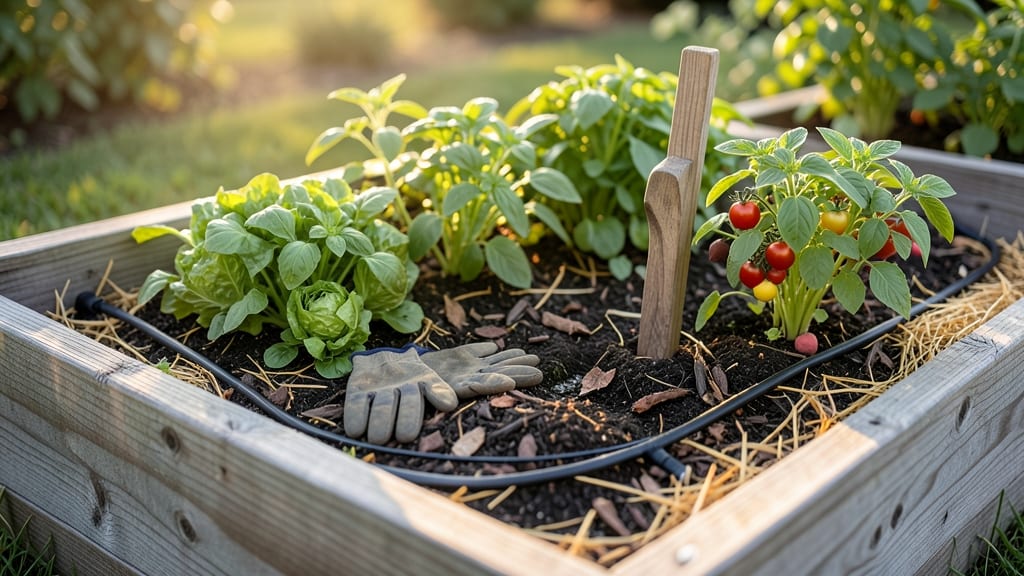
The benefits of raised garden beds include healthier soil, deeper root development, and longer growing seasons through precise drainage control and temperature regulation, while also cutting down on weeds and soil compaction for easier, more productive gardening.
Raised garden beds create a controlled environment where soil composition and moisture levels stay optimal year-round. 🌱 Unlike in-ground planting, these elevated plots allow roots to grow freely without competing with compacted native soil, which often restricts nutrient uptake.
The raised structure also warms up faster in spring, giving early-season crops like lettuce and peas a head start. Plus, the contained design minimizes erosion and makes it easier to amend soil with compost or organic matter over time.
Beyond plant health, raised beds offer practical perks like reduced back strain from bending and better weed control through landscape fabric barriers. They're especially valuable in urban areas where space is limited, as they maximize vertical growing potential.
For gardeners with mobility challenges, the elevated height eliminates the need for deep kneeling—making gardening more accessible and enjoyable for everyone.
💡 In This Article
- How Raised Beds Enhance Soil Quality and Plant Growth
- Practical Advantages of Raised Garden Beds for Gardeners
How raised beds enhance soil quality and plant growth
The real magic of raised garden beds happens below the surface—literally. By elevating soil 6-12 inches above ground, these beds create an environment where roots can breathe freely.
In traditional in-ground planting, soil often becomes compacted from foot traffic or heavy machinery, squeezing out the air pockets that roots need to absorb oxygen.
Raised beds solve this by allowing roots to spread 30-50% deeper than in-ground soil, which translates to stronger plants that can access more nutrients and water. 🌱
Moisture control is another game-changer. Raised beds warm up faster in spring (often 2-3 weeks earlier than in-ground soil) because they absorb heat from the sun while staying insulated from cold ground temperatures. This extended growing season lets you plant heat-loving crops like tomatoes 2-4 weeks sooner in cooler climates.
The sides of the bed also prevent water runoff, keeping moisture levels consistent—critical for delicate plants like strawberries that rot in soggy soil but wilt in dry conditions.
Microbial activity thrives in raised beds because the soil composition is easier to manage. Gardeners can mix in 30-50% compost at planting time, creating a nutrient-rich environment where beneficial bacteria and fungi break down organic matter 2-3 times faster than in native soil.
These microbes form symbiotic relationships with plant roots, enhancing nutrient uptake—especially for phosphorus and nitrogen, which are often locked away in compacted ground soil. The result? Plants grow 20-30% faster with fewer deficiencies.
Here's what the science shows: A study by the University of Georgia found that raised beds maintained 5-10% higher organic matter content over three years compared to in-ground plots.
This matters because organic matter acts like a sponge, holding 3-5 times more water per pound than mineral soil while providing slow-release nutrients. The elevated structure also prevents contamination from surface pollutants or buried debris that might harm plants in ground-level soil.
For root development, the difference is dramatic. Carrot roots in raised beds often grow 1-2 inches longer than in-ground because they aren't restricted by hardpan layers (dense soil layers) that form naturally over time.
Even shallow-rooted plants like lettuce benefit—their leaves stay crisp longer because the soil stays uniformly moist without the extremes of surface drying or waterlogging that plague in-ground gardens. 💫
The controlled environment also reduces soil-borne diseases. By using fresh, sterilized soil mixes (often containing 50% topsoil, 30% compost, and 20% perlite/sand), gardeners eliminate pathogens that build up in reused garden soil.
This is particularly valuable for vegetable crops like potatoes, which are prone to blight in contaminated soil. The result? Healthier plants with 15-25% fewer pest issues compared to traditional planting methods.