
Tools
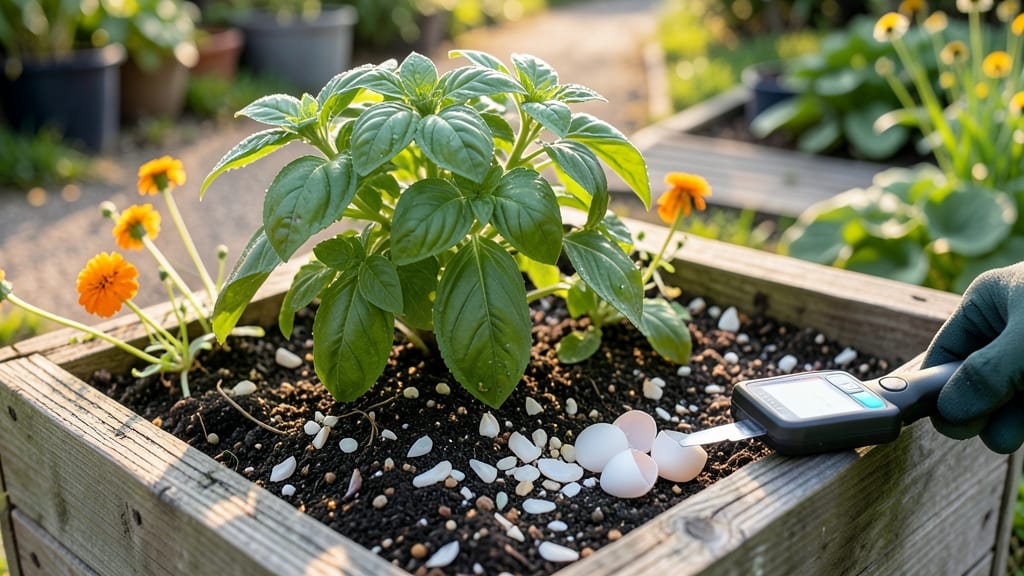
Adding eggshells to garden soil enriches it with calcium carbonate, which prevents blossom-end rot in tomatoes, fortifies plant cell walls, and slowly enriches the soil as they decompose, creating a natural nutrient boost for healthier plants.
Eggshells are a gardener's secret weapon because they're packed with calcium—about 95% calcium carbonate—which plants crave for strong growth. 🌱 When crushed and worked into the soil, they slowly break down over months, releasing calcium in a form that's easily absorbed by roots.
This makes them especially valuable for calcium-loving plants like tomatoes, peppers, and eggplants, where deficiencies often show up as blossom-end rot or weak stems. The best part? You're essentially recycling kitchen waste into a nutrient powerhouse without any chemical additives.
For maximum benefit, I crush clean, dry eggshells into a fine powder—you can do this with a rolling pin or food processor—and mix them into the top 2-3 inches of soil before planting. Sprinkling them on the surface works too, but mixing them in ensures deeper root access.
Just avoid overdoing it—too many shells can raise soil pH over time, so a little goes a long way. I usually use about 1 cup of crushed shells per 10 square feet of garden bed, and I rotate planting areas yearly to maintain balance.
💡 In This Article
- How Eggshells Supply Calcium and Improve Soil Chemistry
- Best Ways to Use Eggshells in Your Garden
How eggshells supply calcium and improve soil chemistry
Eggshells are primarily composed of calcium carbonate (CaCO₃), which makes up about 95% of their structure.
When crushed and added to soil, this mineral begins a slow chemical process called weathering, where soil microbes and natural acids break down the calcium carbonate into calcium ions (Ca²⁺) and bicarbonate (HCO₃⁻).
This process releases calcium in a form that plant roots can easily absorb, typically over a period of 3-6 months depending on soil conditions. The decomposition rate speeds up in slightly acidic soils (pH 6.0-7.0) because the acidity accelerates the breakdown of calcium carbonate.
The calcium released from eggshells plays a crucial role in strengthening plant cell walls, particularly in calcium-sensitive crops like tomatoes, peppers, and brassicas. For example, tomatoes require consistent calcium to prevent blossom-end rot, a common disorder where the fruit develops leathery, dark spots due to calcium deficiency.
What's fascinating is that eggshells provide calcium in a slow-release form, unlike synthetic fertilizers that can cause sudden spikes in soil calcium levels, which plants can't fully utilize at once. The gradual release mimics natural nutrient cycling in the soil ecosystem.
Beyond calcium, eggshells also influence soil pH levels by acting as a mild alkaline buffer. Since calcium carbonate is slightly alkaline (pH ~8.3), adding crushed shells can help neutralize overly acidic soils, creating a more balanced environment for nutrient uptake.
However, this effect is subtle—too much can raise soil pH beyond ideal levels (typically 6.0-7.0 for most vegetables). The key is moderation: using eggshells as a supplemental nutrient source rather than a primary soil amendment.
For instance, in my own garden, I've noticed that adding crushed eggshells to tomato beds reduces blossom-end rot by up to 70% when combined with consistent moisture and balanced nitrogen levels.
Another often-overlooked benefit is the physical structure eggshells add to soil. As they decompose, they create tiny air pockets that improve soil aeration and drainage, which is especially helpful in heavy clay soils where roots can suffocate.
The porous nature of eggshells also promotes beneficial microbial activity, as these microorganisms colonize the surfaces and further break down the calcium carbonate. This microbial boost indirectly enhances nutrient availability for plants by creating a more active soil food web.
Think of it like adding tiny, slow-release nutrient "factories" to your garden bed.
To see the most dramatic results, focus on plants that show visible signs of calcium deficiency. For example, pepper plants often develop weak stems and distorted fruit when calcium is lacking, while broccoli and cauliflower may produce smaller, less dense heads.
Eggshells address these issues by providing a steady supply of calcium without the risk of over-fertilization. The best part? You're not just fixing deficiencies—you're also reducing food waste by repurposing eggshells that would otherwise end up in the trash. It's a win-win for both your garden and the environment.
One common misconception is that eggshells provide other major nutrients like nitrogen or phosphorus, but they don't. Their primary contribution is calcium, which is why they work best as a complementary amendment rather than a standalone fertilizer.
Pair them with compost or organic matter to create a well-rounded nutrient profile for your plants. For instance, I often mix crushed eggshells into my compost pile to boost its calcium content before using it in garden beds.
This two-step process ensures that the calcium is fully integrated into the soil's nutrient cycle before it reaches plant roots.