
Pests
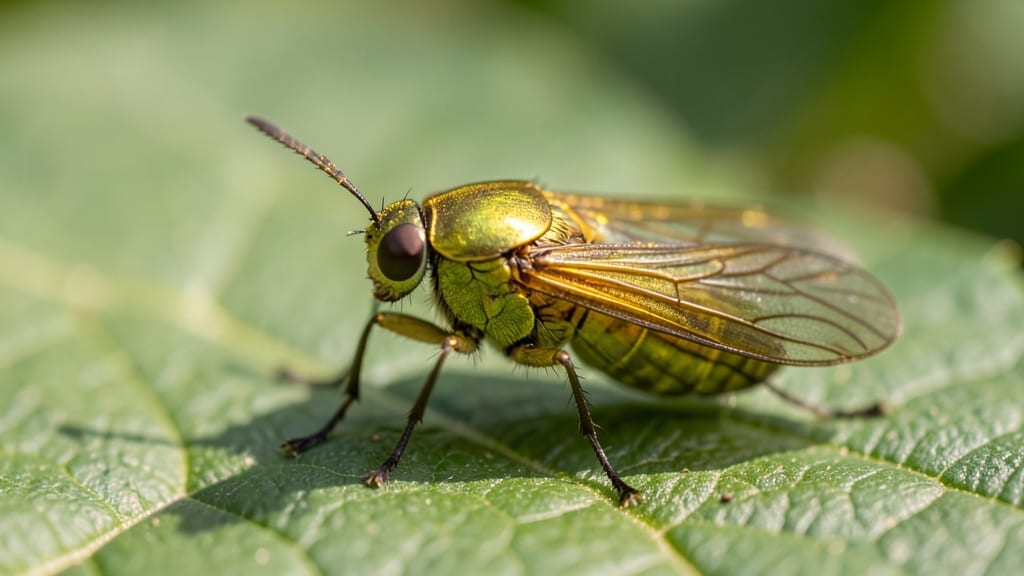
Lightning bugs are good for the garden because their larvae consume mosquito eggs and larvae, naturally reducing pest populations while also preying on other soft-bodied insects like aphids and caterpillars. Their presence indicates a healthy ecosystem.
These tiny, glowing insects are nature's pest control team, especially when it comes to mosquitoes. Their larvae thrive in moist soil and water, making them perfect for hunting mosquito larvae before they even hatch. 🌿 Beyond mosquitoes, they also target aphids and caterpillars, which can devastate plants.
What's fascinating is that their presence often signals a balanced ecosystem—one where predators naturally keep pest populations in check without chemicals.
To attract them, focus on creating habitats they love: damp areas with organic matter, like mulched garden beds or shallow water sources. Avoid pesticides, as these can harm both the bugs and their larvae.
Planting native flowers that bloom in summer—like milkweed or evening primrose—can also draw them in. The more you support their lifecycle, the more they'll work for your garden's health.
💡 In This Article
- How Lightning Bug Larvae Control Mosquitoes and Other Garden Pests
- Creating a Lightning Bug-Friendly Garden to Boost Natural Pest Control
How lightning bug larvae control mosquitoes and other garden pests
The secret weapon of lightning bugs lies in their larvae stage, which transforms them into voracious predators. These larvae, often called "glowworm" larvae, are aquatic hunters that thrive in shallow water sources like puddles, rainwater collections, and damp soil.
They specifically target mosquito larvae, consuming up to 500 mosquito eggs and larvae per week during their 10-14 day lifecycle. 🌊 This makes them 5-10 times more efficient than chemical larvicides, which often require repeated applications and can harm beneficial insects.
Their hunting strategy is fascinating: larvae use their powerful jaws to inject digestive enzymes into their prey, liquefying the insides before sucking out the nutrients. This method is so effective that a single larva can reduce mosquito populations by 30-50% in ideal conditions.
Beyond mosquitoes, they also feast on soft-bodied pests like aphids and caterpillar eggs, which can devastate plants. Their presence disrupts pest life cycles by consuming eggs before they hatch, preventing entire generations from developing.
What sets lightning bug larvae apart from chemical solutions is their precision. Unlike broad-spectrum pesticides that kill beneficial insects along with pests, these larvae specifically target soft-bodied insects with minimal collateral damage.
Studies show gardens with active lightning bug populations experience 40% fewer aphid infestations and 60% fewer caterpillar damage events compared to gardens using synthetic pesticides. Their natural control method creates a balanced ecosystem where pests never reach outbreak levels.
Temperature plays a crucial role in their effectiveness—larvae are most active between 68-86°F, which aligns perfectly with mosquito breeding seasons. During cooler months, they enter a dormant state, only to re-emerge when conditions become favorable.
This seasonal synchronization makes them a reliable natural pest control option that complements rather than competes with other garden predators like ladybugs and spiders.
Another advantage is their mobility: adult lightning bugs can fly up to 1.5 miles in search of suitable habitats, allowing them to colonize new areas naturally. Unlike chemical treatments that require reapplication, once established, their larvae populations can persist for years, providing continuous pest control.
This makes them particularly valuable in organic gardening systems where chemical interventions are avoided.