
Tools
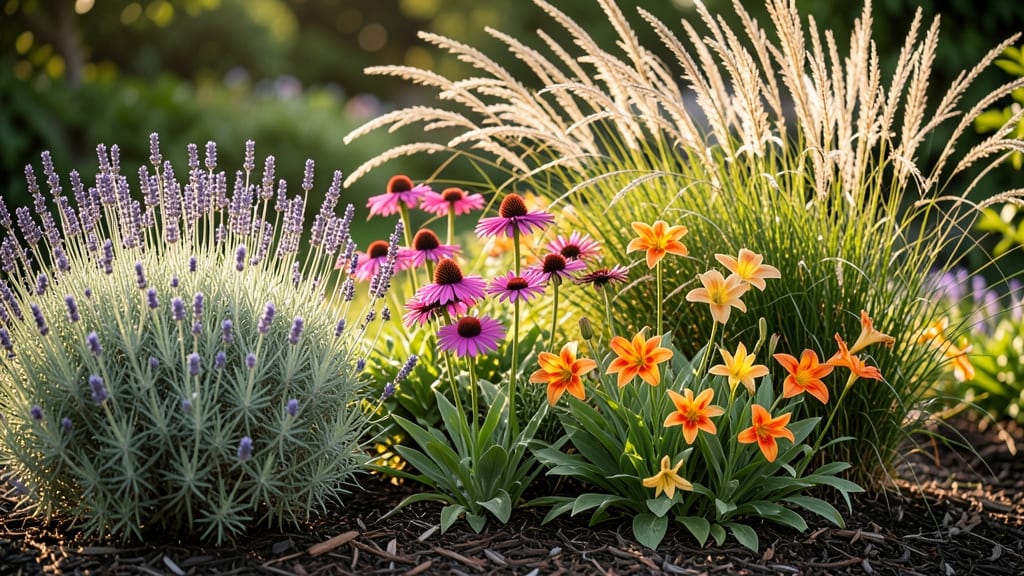
The best place for a garden isn’t just about open space—it’s where sunlight, soil, and accessibility align for a thriving 🌱 General Garden.
Struggling to decide where to plant your garden? The right location can make the difference between a thriving harvest and a struggling plot—here’s how to find the perfect spot for your garden’s success.
Sunlight is the non-negotiable factor: most vegetables need 6+ hours of direct light daily, while shade-loving plants thrive in filtered spots. But soil quality and drainage matter just as much—compacted or waterlogged ground can stall growth before it starts.
From urban balconies to rural plots, I’ll break down the top spots ranked by productivity, hidden factors like wind protection, and space-saving hacks for small yards. Ready to turn your plot into a high-yield haven?
How sunlight exposure determines your garden’s success
Sunlight is the most critical factor for garden success—it fuels photosynthesis and determines plant health, growth, and yield. Without the right sunlight exposure, even the hardiest plants will struggle, leading to weak stems, poor flowering, and lower harvests.
Understanding your yard’s sunlight patterns ensures you place the right plants in the right spots for maximum productivity.
Not all plants thrive in the same light conditions. Some, like tomatoes and peppers, crave full sun (6+ hours daily), while others, such as hostas or ferns, prefer full shade (less than 3 hours).
Misplacing a plant can mean the difference between a lush garden and a disappointing one. Let’s break down how to assess your yard’s sunlight and match it to your plants’ needs.
Before planting, spend a week observing your yard’s sunlight patterns. Note where shadows fall at different times of day—morning, midday, and evening. Use a sunlight tracker (a simple DIY tool like a white board or app) to map out how long each spot receives direct light.
This step saves you from trial and error and helps you design a garden that thrives from day one.
| Plant Type | Sunlight Needs | Best For | Examples |
|---|---|---|---|
| Full Sun Lovers | 6+ hours direct sun | Vegetables, herbs, flowers | Tomatoes, peppers, basil, marigolds |
| Partial Sun | 3-6 hours direct sun | Moderate growers | Zinnias, coleus, Swiss chard |
| Partial Shade | 3-6 hours filtered sun | Shade-tolerant plants | Impatiens, ferns, astilbe |
| Full Shade | Less than 3 hours direct sun | Low-light areas | Hostas, hellebores, caladiums |
If your yard has limited sunlight, don’t despair—many plants thrive in partial shade or even full shade. For example, leafy greens like lettuce and spinach can tolerate partial shade, while shade-loving perennials like heuchera add color to darker corners.
Use this table as a quick reference to group plants by their sunlight needs and create zones in your garden for optimal growth.
South-facing areas typically receive the most sunlight in the Northern Hemisphere, making them ideal for sun-hungry plants. However, east-facing spots get morning sun, which is gentler and perfect for delicate flowers like roses.
West-facing areas can be hotter, so they’re great for drought-tolerant plants like lavender or succulents. North-facing spots usually get the least sun, so reserve them for shade-tolerant plants or use them as pathways.
For urban gardeners with limited space, containers and raised beds offer flexibility. Place pots on balconies or patios where they get the right amount of sun for your chosen plants.
For instance, a herb garden on a south-facing balcony can thrive with full sun, while a hosta collection in a north-facing corner will flourish in shade. Always check the plant tags for sunlight requirements before committing to a spot.
Tools like a sunlight tracker or even a simple shadow analysis can simplify the process. Place a white board or a piece of cardboard in your garden for a few hours and mark where shadows fall.
Repeat this at different times of day to create a sunlight map of your yard. This visual guide will help you plan your garden layout with precision, ensuring every plant gets the light it needs to thrive.
Remember, sunlight needs change with the seasons. A spot that gets full sun in summer might only receive partial sun in winter. Plan accordingly by grouping seasonal plants with similar light requirements.
For example, plant winter squash in a sunny spot where it can soak up rays in summer, then transition to a cool-season crop like kale in the same space as temperatures drop.
Finally, don’t overlook the microclimates in your garden. A small area near a wall or fence might get more sun than the rest of your yard due to reflected light.
Use these pockets to grow sun-loving plants that might otherwise struggle. With a little observation and planning, you can turn even the trickiest spots into productive garden areas.
By understanding your yard’s sunlight exposure and matching it to your plants’ needs, you’ll create a garden that’s not only beautiful but also highly productive. Start with a simple assessment, use the right tools, and group plants wisely—your garden will thank you with lush growth and bountiful harvests! 🌱☀️
Top 5 garden locations ranked by productivity and ease
Choosing the right spot for your garden isn't just about space—it's about maximizing productivity while keeping maintenance simple. Whether you have a sprawling backyard or a tiny balcony, each location offers unique advantages.
I’ve ranked the top 5 spots based on sunlight exposure, soil quality, and ease of care, plus the best plants for each.
Not all gardens are created equal. A south-facing yard might sound ideal, but raised beds or containers could be better for urban dwellers. Let’s break down the pros, cons, and ideal plants for each location to help you decide where to dig in.
South-facing yards are the gold standard for gardens, offering 6+ hours of sunlight daily. This location is perfect for tomatoes, peppers, and corn, which thrive in full sun. The downside? Soil quality can vary, and maintenance might require more effort if your yard is large.
For those with poor soil or limited mobility, raised beds are a game-changer. They improve drainage, reduce weeds, and let you control the soil mix. Try lettuce, radishes, or strawberries here—they love the consistent conditions. The trade-off? Raised beds can dry out faster and require more frequent watering.
Container gardens are my go-to for small spaces like patios or balconies. They’re portable, great for herbs like basil and peppers, and let you grow almost anywhere. Just ensure containers have drainage holes and use lightweight potting soil. The catch? Containers dry out quickly and need daily checks in hot weather.
If you’re in an urban setting, a balcony garden is a creative solution. Focus on compact varieties like cherry tomatoes or bush beans. Use self-watering pots to simplify care. The challenge? Limited space means careful planning to maximize sunlight and airflow.
Finally, community plots offer shared resources and expertise. They’re ideal for growing large crops like pumpkins or squash but require coordination with neighbors. The upside? You gain access to tools, knowledge, and a sense of community—plus, someone else handles the heavy lifting.
No matter where you garden, prioritize sunlight, drainage, and accessibility. The right spot will turn your green thumb into a thriving harvest—no matter how big (or small) your space is! 🌱