
Planting
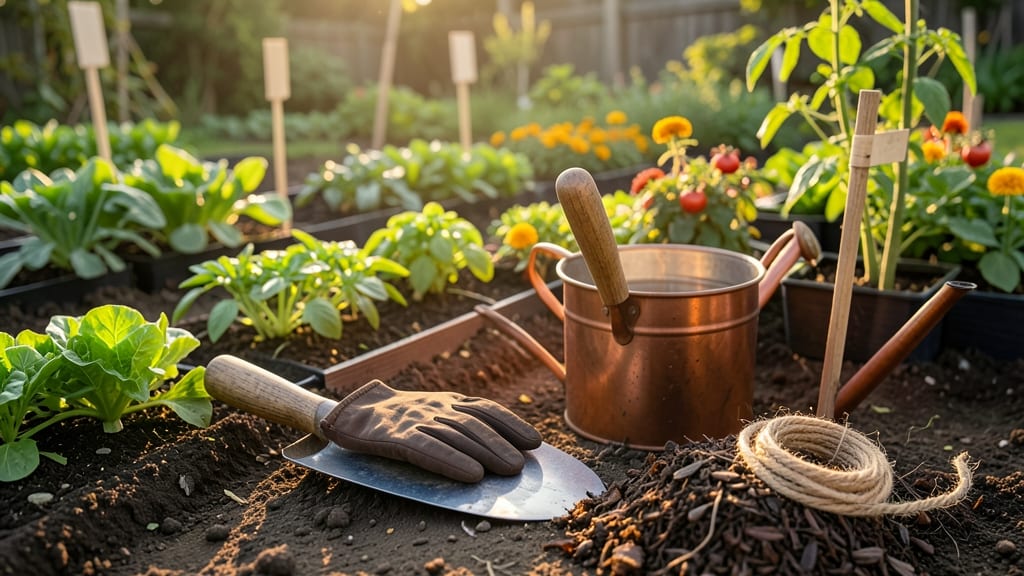
To create the best place to plant a garden, prioritize a spot with 6-8 hours of direct sunlight daily, well-draining soil packed with organic nutrients, and enough room for plants to spread and breathe. Steer clear of soggy or windy areas that stress plant health.
Sunlight is non-negotiable—most vegetables and flowers need 6-8 hours of full sun to thrive, while shade-loving plants like hostas or ferns can handle partial sun. Well-draining soil prevents root rot, so amending clay-heavy soil with compost is often necessary.
I always check for airflow too; crowded spaces invite fungal diseases. 🌱 Urban gardeners might need to get creative with containers or raised beds if space is tight, but the same rules apply: light, drainage, and circulation are the holy trinity of healthy gardens.
Beyond the basics, consider your yard's microclimate. A south-facing wall can extend the growing season, while a windy corner might require windbreaks. I've learned that even small adjustments—like planting taller crops to the north—can make a big difference in plant happiness.
And don't overlook accessibility: you'll thank yourself later when weeding becomes a breeze.
💡 In This Article
- How Sunlight, Soil, and Microclimate Affect Plant Growth
- Choosing the Ideal Garden Spot: Practical Location Checklist
How sunlight, soil, and microclimate affect plant growth
Sunlight drives photosynthesis, where plants convert light energy into chemical energy at a rate directly tied to light intensity. Most vegetables and flowers thrive with 6-8 hours of full sun, but the spectrum matters too—blue light (400-500nm) boosts growth while red light (600-700nm) triggers flowering.
Leafy greens like lettuce can handle 4-6 hours, while tomatoes need 8+ hours to produce optimal fruit. The angle of sunlight changes seasonally; spring/summer's higher sun provides more intense light than winter's diffuse rays, which is why many plants bolt (flower prematurely) when exposed to too much heat.
Soil composition creates the foundation for nutrient uptake and root health. Ideal garden soil has 45% minerals, 5% organic matter, 25% water, and 25% air by volume. The organic matter—compost, leaf mold, or well-rotted manure—improves water retention while preventing compaction.
Clay soils drain poorly and can suffocate roots, while sandy soils lose nutrients too quickly. A simple test: squeeze a handful—if it crumbles easily, it's too dry; if it stays in a ball, it's too compact.
Most plants prefer a pH between 6.0-7.0, though blueberries need 4.5-5.5 and asparagus thrives at 7.0-8.0. 🌱
Microclimates create invisible zones where temperature, humidity, and wind patterns vary dramatically. A south-facing wall can raise temperatures by 5-10°F compared to open areas, extending growing seasons. Wind speeds over 10 mph can desiccate leaves and stunt growth, which is why windbreaks—like hedges or lattice fences—are game-changers.
Humidity levels also shift: coastal gardens stay moist longer than inland ones, affecting watering needs. Even elevation matters; gardens at 1,000+ feet often experience 3-5°F cooler temperatures than valley floors, delaying planting by 2-3 weeks.
Airflow is often overlooked but critical for disease prevention. Stagnant air traps moisture, creating perfect conditions for fungal infections like powdery mildew. Proper spacing—18-36 inches apart for most vegetables—allows leaves to dry quickly after watering. In tight urban spaces, vertical gardening or trellises can maximize airflow while saving space.
I've seen tomato plants double in yield just by staking them properly, as better air circulation reduces blight risks by up to 40%. 🌿
Seasonal adjustments are equally important. Spring planting benefits from cooler soils that retain moisture, while summer's intense heat may require afternoon shade for heat-sensitive crops. A simple trick: use a soil thermometer—most seeds need soil temps between 60-75°F to germinate.
In my own garden, I've noticed that planting heat-loving crops like okra in late May (when soil hits 70°F) gives them a 3-week head start over early planting.
Don't forget about water sources—plants need consistent moisture, but soggy roots are deadly. Drip irrigation systems deliver water directly to roots, reducing waste and fungal risks. Mulching with 2-4 inches of straw or wood chips maintains even soil temps and cuts watering needs by 30-50%.
The key is balance: too little water stresses plants, while overwatering drowns roots and leaches nutrients. A good rule: water deeply 1-2 times per week rather than light daily sprinkles.