
Vegetables
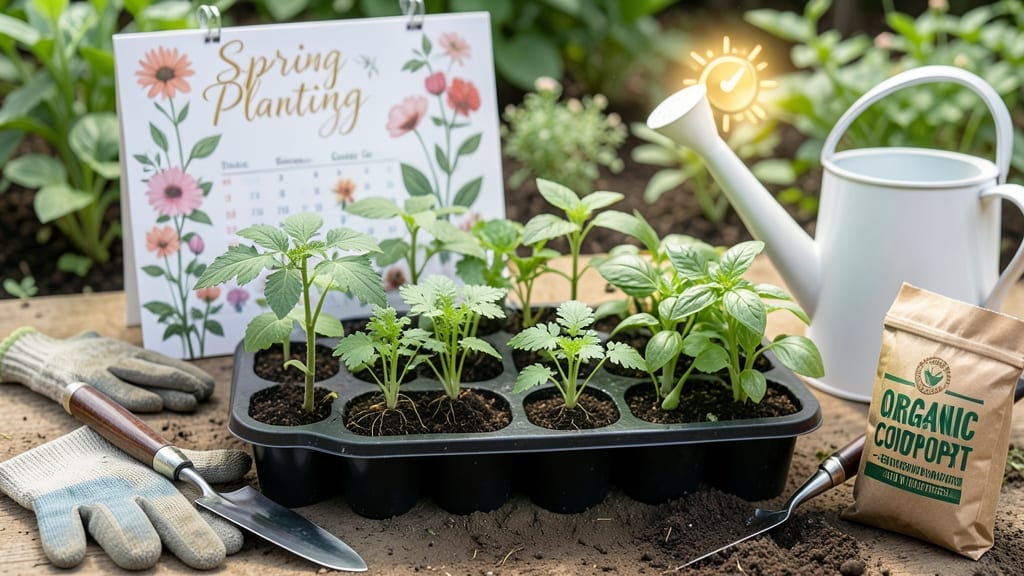
Planting your vegetable garden at the right time means the difference between a thriving harvest and a season of frustration—especially when frost dates and crop types collide.
Picture this: you’ve prepped the soil, chosen your seeds, and even marked the rows—only to watch a late frost wipe out your seedlings or a heat wave stunt your tomatoes before they set fruit. The key to avoiding these common mistakes lies in knowing your local frost dates and matching them to each crop’s ideal window.
Cool-season crops like lettuce and peas can handle a light frost, while warm-season favorites like peppers and eggplants need the ground to stay warm for weeks.
In USDA Zone 6a, that often means starting early spring crops 4-6 weeks before your last frost and waiting until after the danger of frost has passed for heat-lovers.
In this guide, I’ll walk you through how to read your frost dates, adjust planting times for your region, and even extend your growing season with simple tricks—so you can enjoy fresh 🥬 from your garden for months longer.

How to determine your planting window using frost dates
Understanding your local frost dates is the foundation of successful vegetable gardening. These dates tell you when to plant cool-season crops like lettuce and when to wait for warm-season crops like tomatoes. Without this knowledge, you risk planting too early or too late, leading to frost damage or wasted seed.
The key is knowing your last average frost date in spring and your first average frost date in fall.
Start by checking your USDA Plant Hardiness Zone and frost-free days for your region. For example, in Zone 6a (like much of the Midwest), the last frost typically falls around April 15, while the first frost arrives around October 30.
These dates create a 165-day growing season—the perfect window for planning your vegetable schedule. If you're unsure, local agricultural extensions or weather services can provide precise data.
Next, divide your crops into two categories: cool-season vegetables and warm-season vegetables. Cool-season crops, like spinach, peas, and broccoli, thrive in cooler temperatures and can often tolerate light frosts. Plant these 4-6 weeks before your last frost date to ensure they mature before summer heat sets in.
Warm-season crops, such as tomatoes, peppers, and cucumbers, need consistent warmth and should only be planted after your last frost date.
Here’s a quick rule of thumb: For cool-season crops, count backward from your last frost date. For warm-season crops, count forward.
For instance, if your last frost is April 15, plant warm-season crops in early May, while cool-season crops like kale or carrots should go in early March. This timing ensures your plants have enough time to grow before extreme temperatures arrive.
Your microclimate also plays a role. Areas near bodies of water, hills, or urban heat islands may experience earlier last frosts or later first frosts than official records suggest. Observe your garden’s behavior over a few years to refine your planting window.
For example, a south-facing slope might warm up faster in spring, allowing you to plant warm-season crops a week earlier than the average.
Short growing seasons? No problem. Focus on fast-maturing varieties and succession planting. Choose early-maturing tomatoes or bush beans that can go from seed to harvest in 50-60 days.
Succession planting involves sowing new seeds every 2-3 weeks to stagger harvests. This way, you can enjoy a continuous supply of vegetables even in a brief growing season.
Don’t forget to account for soil temperature. Many seeds won’t germinate until the soil reaches 50-60°F. Use a soil thermometer to monitor conditions. For cool-season crops, soil should be at least 40°F, while warm-season crops need 60°F or warmer.
If your soil is too cold, start seeds indoors or use row covers to warm the ground.
Now, let’s break down the essentials in this planting window summary table to help you visualize the best times for your vegetable garden.
| Plant Type | Sun Needs | Water Needs | Mature Size | Best Planting Window |
|---|---|---|---|---|
| Cool-Season Crops | Full Sun to Partial Shade | Moderate (1-1.5 inches/week) | Varies (6" to 3 ft) | 4-6 weeks before last frost |
| Warm-Season Crops | Full Sun (6+ hours) | High (1.5-2 inches/week) | Varies (1 ft to 6+ ft) | After last frost date |
| Leafy Greens (Lettuce, Spinach) | Partial Shade | Moderate | 6-12 inches | Early spring or fall |
| Tomatoes, Peppers | Full Sun | High | 1-4 ft | Late spring to early summer |
| Root Vegetables (Carrots, Beets) | Full Sun | Moderate | 6-12 inches |
Best planting times for common vegetables by crop typeGetting your planting timing right ensures your vegetable garden thrives. Cool-season crops like leafy greens and root vegetables love early spring, while tomatoes and peppers need warm soil. Even herbs have ideal windows—basil hates frost, but parsley handles cooler temps. Let’s break it down by crop type so you can plan for a continuous harvest. Start with your last frost date—this is your anchor. Most cool-season crops go in 4-6 weeks before frost, while warm-season crops wait until 2 weeks after frost. For regions with short seasons, succession planting every 2-3 weeks keeps your kitchen stocked. Let’s dive into the specifics for each category to maximize your yield. 🌱 Best Planting Times by Crop Type
For leafy greens, timing is everything—plant radishes in early spring for a quick harvest, then succession plant lettuce every 3 weeks. These crops bolt (go to seed) in heat, so fall plantings often yield sweeter leaves. Use shade cloth in summer to keep them crisp. Tomatoes and peppers are finicky about soil temperature. If your spring is slow to warm, start seeds indoors under grow lights 8 weeks before transplanting. Harden off seedlings by placing them outside for 2-3 hours daily the last week before moving to the garden. Don’t overlook herbs—they’re the unsung heroes of the garden. Basil wilts in cold, so wait until nighttime temps stay above 50°F. Meanwhile, parsley and cilantro thrive in cooler weather, making them perfect for fall gardens. Try planting dill near tomatoes to deter pests naturally. Extend your harvests with succession planting. For example, sow bush beans every 2 weeks from late spring to early summer. This ensures a steady supply instead of one big harvest. Pair fast growers (radishes, lettuce) with slow growers (carrots, cabbage) to make the most of your space. Pro tip: Keep a gardening journal to track what works in your microclimate. Note when you plant, harvest, and any pests or diseases you encounter. Adjust next year’s schedule based on your observations—this is how you fine-tune your planting strategy for maximum success! 🌱 |