
Light Requirements
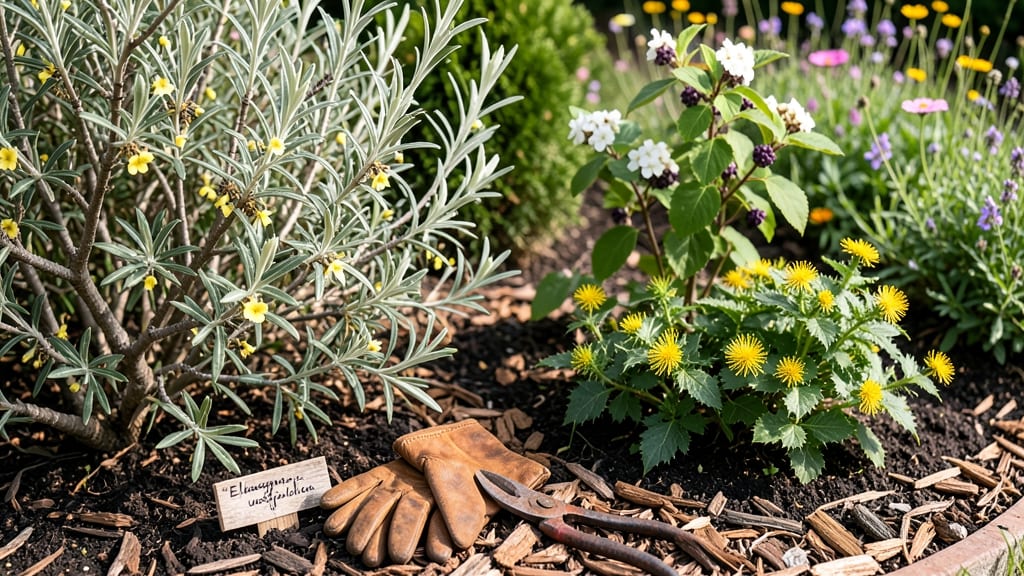
Understanding Boise Idaho's gardening zone is essential because its USDA Zones 6b-7a create a challenging yet rewarding environment for gardeners, where cold winters and hot, dry summers demand careful plant selection and timing.
Boise's elevation of about 2,700 feet creates microclimates that influence temperature swings—expect lows of -10°F in winter and highs over 90°F in summer. 🌡️ This means frost dates (typically mid-April to October) are your best guide for planting, with late spring being ideal for heat-loving plants like tomatoes and peppers.
The alkaline clay soil common in Boise also requires amendments like compost to improve drainage and fertility.
For successful gardening, focus on drought-tolerant natives like Russian sage and cold-hardy veggies such as kale and broccoli. Start seeds indoors in February for early spring crops, while warm-season plants should wait until after the last frost.
The key is matching plant hardiness to Boise's extremes—whether it's protecting tender perennials in winter or mulching to retain moisture during summer droughts.
💡 In This Article
- Understanding Boise’s Unique Gardening Climate Zones
- Best Plants for Boise’s Zones 6b-7a and Planting Timelines
Understanding Boise’s unique gardening climate zones
Boise’s USDA Zones 6b-7a are shaped by its 2,700-foot elevation, which creates dramatic temperature swings—think -10°F winters and 95°F+ summers.
The elevation alone drops temperatures by about 3.5°F per 1,000 feet, creating microclimates where urban areas (like downtown) can be 5-10°F warmer than rural outskirts due to the "urban heat island" effect.
These extremes force gardeners to select plants that can handle both freezing winters and intense summer sun without wilting.
The USDA zone map provides a baseline, but Boise’s last-frost date (April 15) and first-frost timing (October 15) are more critical for planting. Here’s why: A late frost in May can devastate tender seedlings like tomatoes, while an early October freeze might cut short your fall harvest.
The city’s arid climate (only 12 inches of rain annually) means even hardy plants need deep watering (1-2 inches per week) to establish roots before summer droughts set in.
For example, lavender—a Zone 5-9 perennial—thrives in Boise because it tolerates both cold snaps and dry heat. But a Zone 8 tomato plant? It’ll bolt in summer unless you provide afternoon shade or use row covers.
The key is matching plant hardiness to Boise’s 100+°F soil temperatures in peak summer, which can cook shallow roots if not mulched properly with 3-4 inches of organic matter.
Boise’s alkaline clay soil (pH 7.5-8.5) adds another layer of complexity. This pH level locks out nutrients like iron and manganese, making amendments like sulfur (to lower pH) or composted manure essential for vegetable gardens.
Even natives like Russian sage need well-draining soil to avoid root rot—proof that Boise’s zones aren’t just about cold tolerance but also heat and drought resilience.
Don’t rely solely on the USDA map: Use Boise’s historical frost data (available from local extensions) and observe your own microclimate. A north-facing slope might stay frost-free 2 weeks longer than a south-facing yard, while a low-lying area could see earlier freezes.
This is why successful Boise gardeners treat zones as a starting point, not a rulebook.
Pro tip: Plant cold-hardy annuals like snap peas (Zone 3-10) in early March for a spring harvest, then transition to heat-tolerant varieties like ‘Solar Fire’ peppers (Zone 9-11) after May 1. The contrast highlights how Boise’s zones demand seasonal flexibility—a trait that separates thriving gardens from struggling ones. 🌱